
Custom Manufacturing, Project Outsourcing, your Trusted Partner from China
In the competitive landscape of textile manufacturing, achieving both high-definition prints and a soft fabric feel is a key differentiator. Pigment printing, a widely used technique, relies heavily on the properties of its constituent chemicals, with thickeners playing a pivotal role. Among these, anionic thickeners have gained prominence for their ability to enhance print quality and contribute subtly to fabric softness. Businesses seeking to buy advanced textile auxiliaries will find significant advantages in these specialized products.
Anionic thickeners are water-soluble polymers that increase the viscosity of printing pastes. Their molecular structure, containing negatively charged groups, allows them to effectively interact with water molecules and other components within the print paste, creating a stable, controlled viscosity. This is crucial for pigment printing, where precise application of the colorant is paramount. A properly thickened paste ensures that the pigment is applied evenly to the fabric surface, leading to sharper lines, finer details, and improved color saturation. This enhanced definition is a hallmark of high-quality textile prints. As a leading textile auxiliary agent manufacturer in China, we focus on delivering products that excel in these areas.
The contribution of anionic thickeners to fabric softness is often indirect but significant. By ensuring an even distribution of the binder and pigment during printing, they help to prevent the formation of a stiff or heavy layer on the fabric surface after curing. This allows the natural drape and softness of the base fabric to be retained, and also works in synergy with dedicated fabric softeners. Furthermore, modern anionic thickeners are often formulated to be APEO-free and formaldehyde-free, aligning with increasing demands for environmentally conscious and health-safe textile production. These cleaner formulations mean fewer residues that could potentially affect the fabric's tactile properties.
When selecting an anionic thickener for pigment printing, it's important to consider factors like concentration, stability, and compatibility. High-concentration products offer better value, while excellent stability ensures consistent performance throughout the printing process. Compatibility with other print paste ingredients, such as binders, humectants, and cross-linking agents, is essential for creating an effective and stable formulation. A reliable supplier can provide technical data and support to help you make the best choice. Obtaining competitive pricing from a reputable manufacturer also plays a key role in cost management.
In conclusion, anionic thickeners are indispensable for achieving high-quality pigment prints in the textile industry. They not only ensure excellent definition and color vibrancy but also play a supporting role in maintaining the desirable softness of the fabric. For textile printers aiming for superior results and sustainable practices, partnering with a dedicated textile chemical supplier that offers advanced, eco-friendly anionic thickeners is a strategic decision. We are proud to be a trusted source for these critical materials, providing the quality and support you need to succeed.
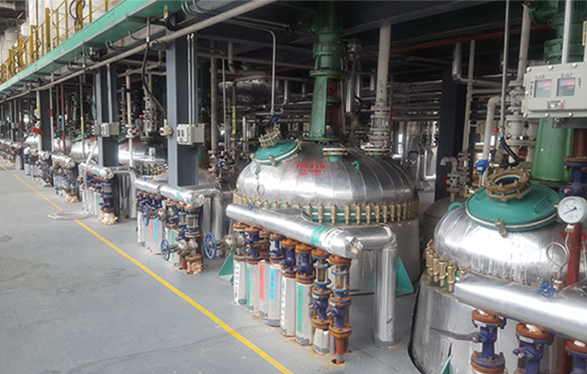
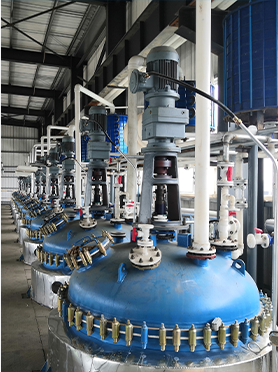
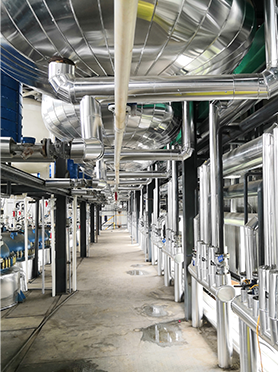
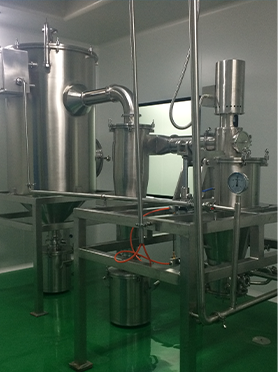
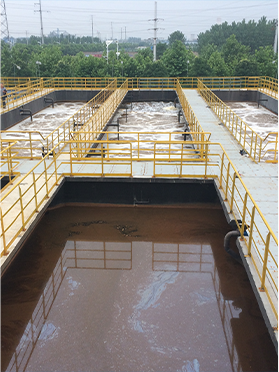
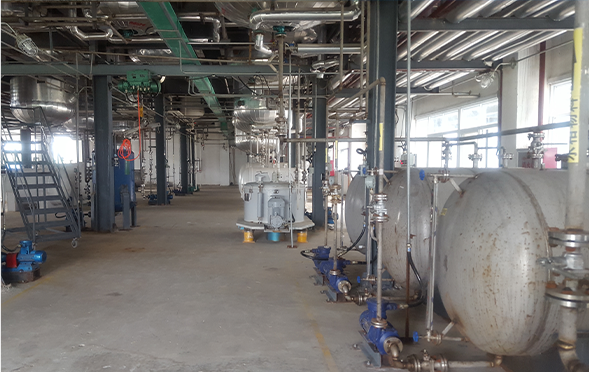
Manufacturing Facilities
Professional Export Experience
to Global Customers
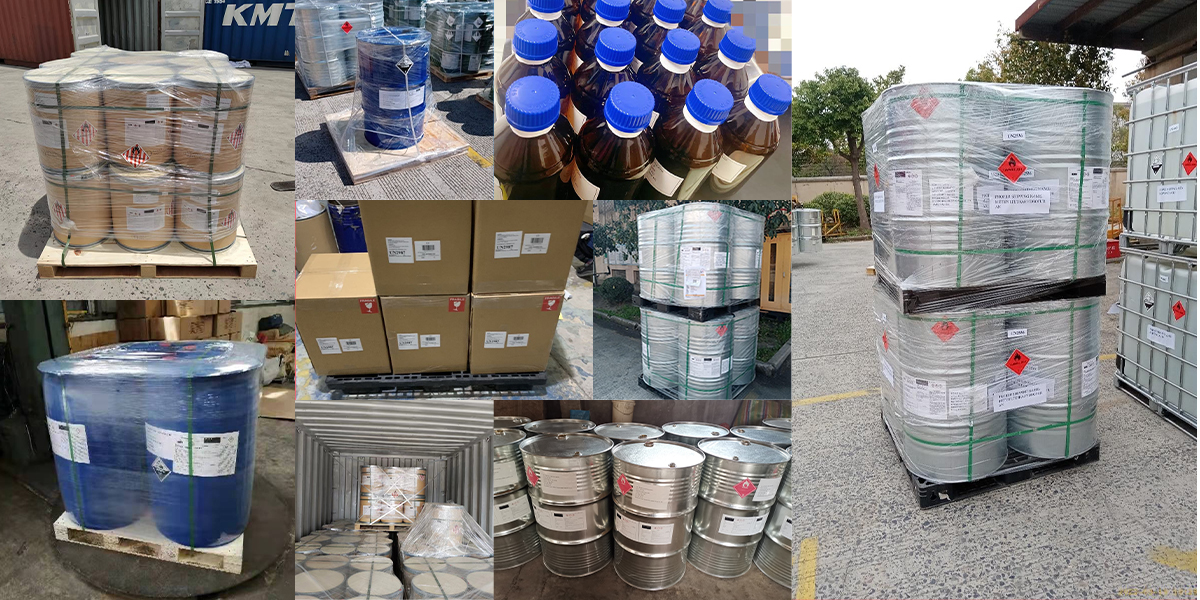
1. 20 years of R&D, manufacturing and sales experience, serving customers in 60 countries and regions around the world;
2. Own R&D laboratory, pilot platform and large-scale production workshop, which can meet the audit requirements of global customers;
3. We can satisfy customers' perfect transition from small scale lab requirements (gram level) to commercialization requirements (hundred tons level).
A: We don't have Minimum Order Quantity, exact quantity should be provided before quotation for us to calculate the exact cost.
A: We don't provide free samples due to lots of request and expensive international courier's cost, we can deduct the sample charge after commercial order placed.
A: Our payment terms: Small or sample order: T/T IN ADVANCE. Commercial order: First order should be by T/T IN ADVANCE or L/C at sight, and following orders T/T 30~90days is acceptable subject to approval of credit application.