
Custom Manufacturing, Project Outsourcing, your Trusted Partner from China
Textile dyeing houses are critical points in the production chain where fabric aesthetics and feel are significantly influenced. Incorporating the right finishing agents at this stage can dramatically improve the final product. Nonionic softener flakes are a highly effective choice for imparting a desirable soft hand-feel, and understanding their proper application is key to achieving optimal results. This guide provides practical advice for dyeing house operators and textile chemists on the effective use of these versatile agents, emphasizing the benefits of sourcing from a reliable manufacturer.
Preparation of Nonionic Softener Flakes Solutions
Before application, nonionic softener flakes need to be properly dispersed or dissolved in water. The exact method can vary slightly depending on the specific product grade, but a common approach involves:
It is advisable to prepare solutions fresh or store them appropriately to prevent microbial growth, especially if stored for extended periods. Sourcing from a manufacturer that provides clear preparation instructions, such as NINGBO INNO PHARMCHEM CO.,LTD., is crucial for smooth operations.
Application Methods in Dyeing Processes
Nonionic softener flakes can be applied at various stages of the textile finishing process, most commonly during the final rinse or as a dedicated softening bath.
When aiming to buy nonionic softener flakes for dyeing house applications, consider their compatibility with other finishing agents you might be using simultaneously. Nonionic softeners generally offer good compatibility, but it's always prudent to conduct small-scale trials.
Tips for Optimal Results
In conclusion, effectively integrating nonionic softener flakes into dyeing house operations can significantly enhance fabric quality. By following proper preparation and application techniques, and sourcing from reputable providers like NINGBO INNO PHARMCHEM CO.,LTD., textile dyeing houses can consistently deliver fabrics with superior softness and an excellent hand-feel, meeting and exceeding customer expectations.
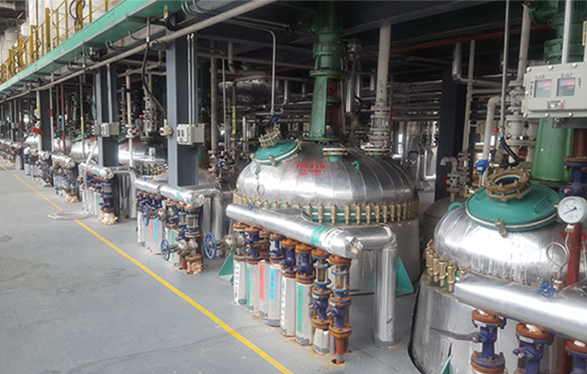
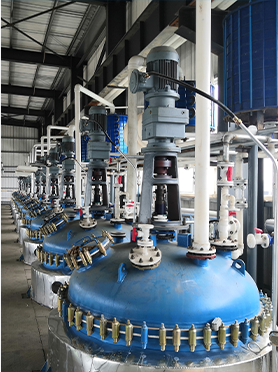
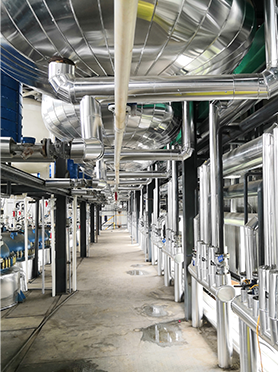
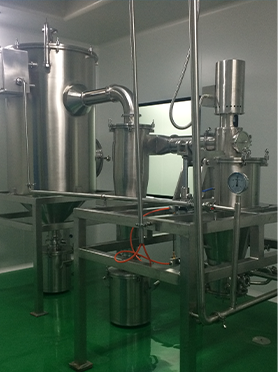
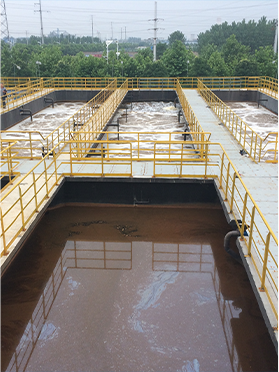
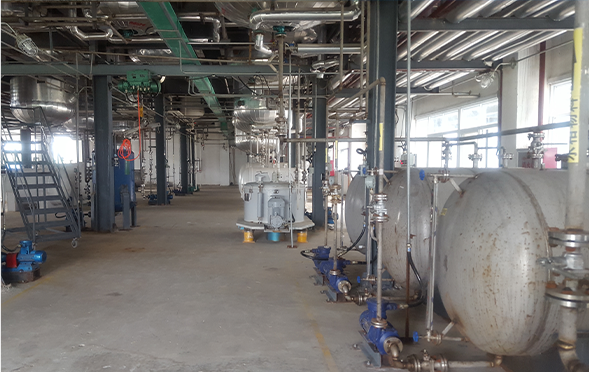
Manufacturing Facilities
Professional Export Experience
to Global Customers
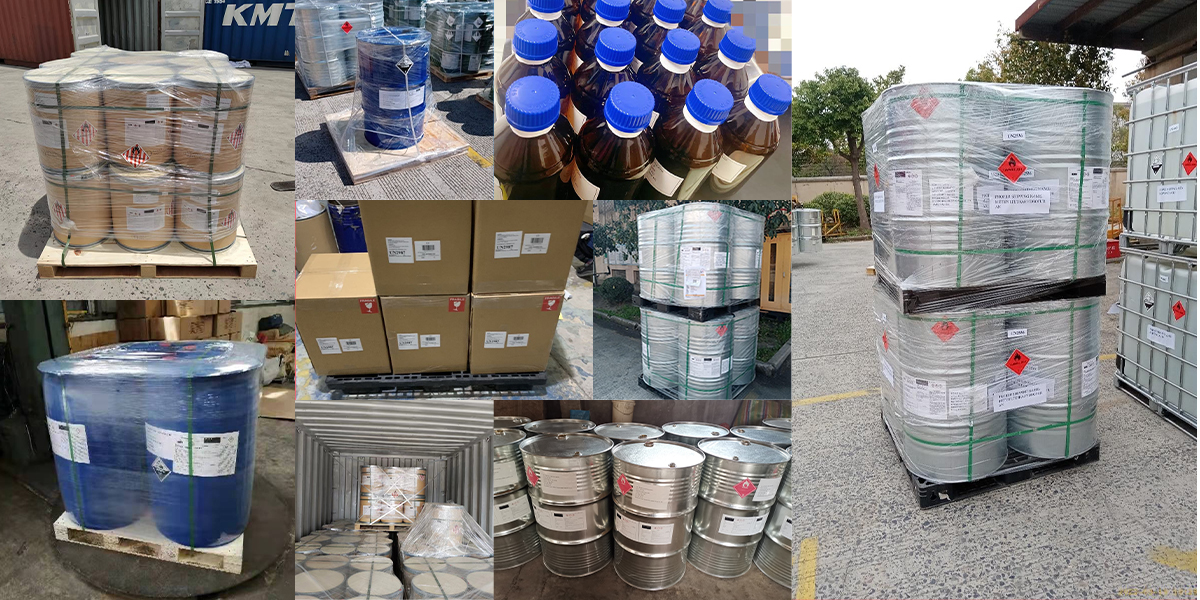
1. 20 years of R&D, manufacturing and sales experience, serving customers in 60 countries and regions around the world;
2. Own R&D laboratory, pilot platform and large-scale production workshop, which can meet the audit requirements of global customers;
3. We can satisfy customers' perfect transition from small scale lab requirements (gram level) to commercialization requirements (hundred tons level).
A: We don't have Minimum Order Quantity, exact quantity should be provided before quotation for us to calculate the exact cost.
A: We don't provide free samples due to lots of request and expensive international courier's cost, we can deduct the sample charge after commercial order placed.
A: Our payment terms: Small or sample order: T/T IN ADVANCE. Commercial order: First order should be by T/T IN ADVANCE or L/C at sight, and following orders T/T 30~90days is acceptable subject to approval of credit application.