
Custom Manufacturing, Project Outsourcing, your Trusted Partner from China
The intricate field of neuroscience and the development of therapeutics for neurological disorders are constantly evolving, driven by the need for more effective treatments. Central to this progress is the availability of specialized chemical intermediates that serve as foundational building blocks for drug synthesis. 2-(2-Aminoethyl)-1-methylpyrrolidine (CAS 51387-90-7) has emerged as a compound of significant interest due to its unique structural features, making it a valuable asset in the quest for novel neurological drugs. This article highlights its key roles and the advantages it brings to this critical area of pharmaceutical research.
The Chemical Profile and Reactivity
2-(2-Aminoethyl)-1-methylpyrrolidine is a colorless liquid with a molecular formula C7H16N2 and a minimum purity of 98%. Its structure, featuring a tertiary amine within the pyrrolidine ring and a primary amine on the ethyl side chain, offers dual points of reactivity. This bifunctionality allows it to participate in a wide array of chemical reactions, including nucleophilic substitutions, amidation, and the formation of complex heterocyclic systems. These versatile reaction capabilities are precisely what make it an attractive intermediate for medicinal chemists designing new drug molecules targeting neurological pathways.
Role in Pharmaceutical Synthesis for Neurological Applications
The primary application of 2-(2-Aminoethyl)-1-methylpyrrolidine in the pharmaceutical sector is as a key intermediate in the synthesis of Active Pharmaceutical Ingredients (APIs) designed to treat neurological conditions. The pyrrolidine moiety is a common structural motif found in many bioactive compounds, including those that interact with neurotransmitter receptors or enzyme targets in the brain. The aminoethyl side chain provides a convenient handle for further functionalization, enabling the attachment of other pharmacophores or modifying the molecule's pharmacokinetic properties. By sourcing high-purity 2-(2-Aminoethyl)-1-methylpyrrolidine from reliable manufacturers, drug developers can ensure the efficacy and consistency of their experimental compounds and eventually, their marketed drugs.
Advantages for Drug Developers
For pharmaceutical companies and researchers focused on neurological drug development, utilizing 2-(2-Aminoethyl)-1-methylpyrrolidine offers several advantages:
Partnering for Innovation
When embarking on the development of new neurological therapies, partnering with trusted chemical suppliers and manufacturers is essential. They can provide not only the high-quality 2-(2-Aminoethyl)-1-methylpyrrolidine but also the technical support and documentation required for regulatory compliance and successful drug formulation. By ensuring a reliable supply of this critical intermediate, pharmaceutical innovators can accelerate their progress in addressing the complex challenges of neurological diseases, offering hope for improved patient outcomes.
Manufacturing Facilities
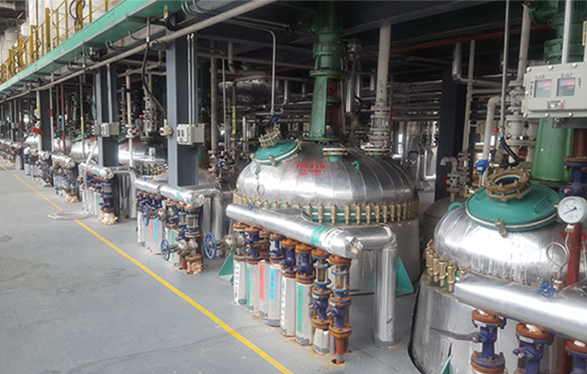
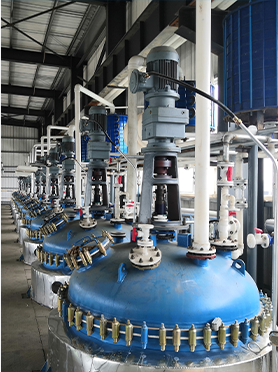

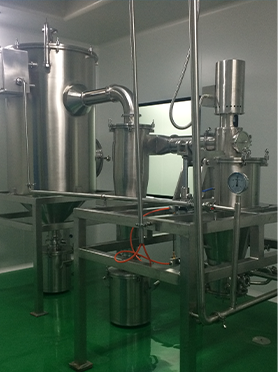


Professional Export Experience
to Global Customers
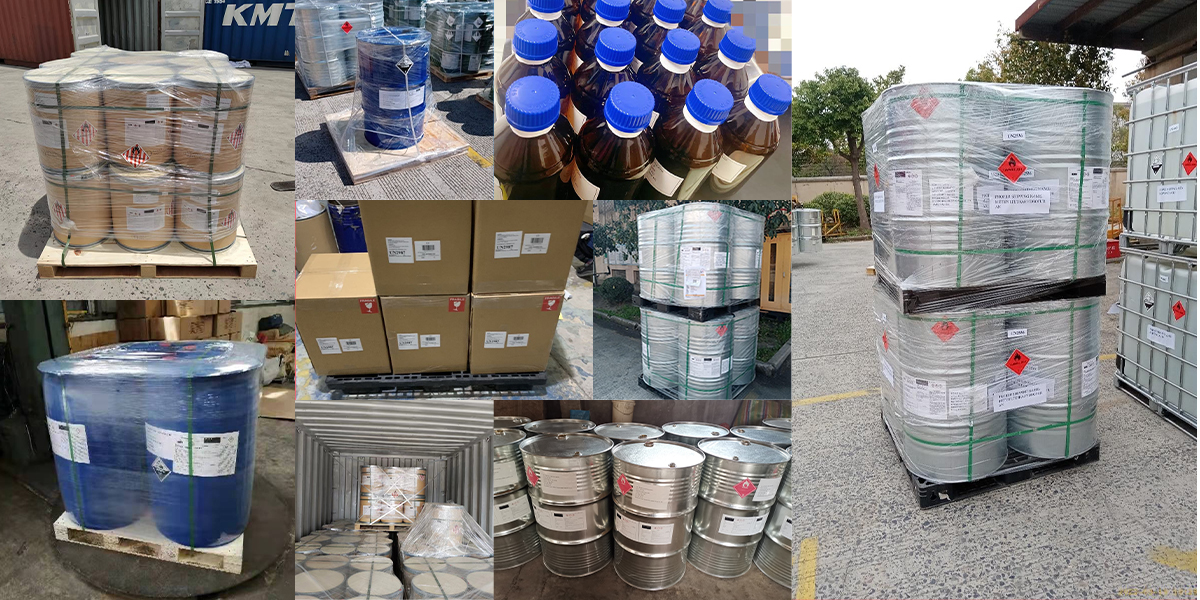
1. 20 years of R&D, manufacturing and sales experience, serving customers in 60 countries and regions around the world;
2. Own R&D laboratory, pilot platform and large-scale production workshop, which can meet the audit requirements of global customers;
3. We can satisfy customers' perfect transition from small scale lab requirements (gram level) to commercialization requirements (hundred tons level).
A: We don't have Minimum Order Quantity, exact quantity should be provided before quotation for us to calculate the exact cost.
A: We don't provide free samples due to lots of request and expensive international courier's cost, we can deduct the sample charge after commercial order placed.
A: Our payment terms: Small or sample order: T/T IN ADVANCE. Commercial order: First order should be by T/T IN ADVANCE or L/C at sight, and following orders T/T 30~90days is acceptable subject to approval of credit application.