
Custom Manufacturing, Project Outsourcing, your Trusted Partner from China
Sodium Tripolyphosphate (STPP), known in the food industry by its E number E451, is a valuable additive that plays a crucial role in enhancing the quality, texture, and shelf-life of a wide array of food products. Its functional properties, particularly its ability to bind water and chelate metal ions, make it indispensable in sectors ranging from meat and seafood processing to dairy and beverage production.
In meat and seafood processing, STPP is widely employed as a water-retention agent. Muscle proteins in meat and fish naturally lose moisture during processing and storage. STPP helps to bind water within the food matrix, preventing excessive moisture loss. This not only contributes to juicier and more tender final products but also helps to maintain their weight and appeal. By improving the water-holding capacity of proteins, STPP counteracts shrinkage and improves the overall texture and mouthfeel of processed meats like ham, sausages, and poultry products. For seafood, STPP is particularly effective in maintaining freshness and preventing deterioration, especially in frozen or processed forms like surimi.
Beyond moisture retention, STPP acts as an emulsifier and stabilizer in various food applications. In processed cheeses and dairy products, it helps to blend fat and water components, preventing separation and ensuring a smooth, consistent texture. It also contributes to the stability of emulsions in sauces and dressings.
As a chelating agent, STPP can bind to metal ions that might otherwise catalyze oxidation reactions, thereby helping to preserve the natural color and flavor of food products and slowing down spoilage. This makes it an effective preservative, extending the shelf life of processed foods.
While STPP offers significant benefits, its use in the food industry is subject to regulatory limits in many countries due to concerns about excessive phosphate intake. Nevertheless, when used appropriately and within regulated quantities, STPP remains a key ingredient for improving food quality, ensuring product consistency, and meeting consumer expectations for texture and freshness in a diverse range of processed foods.
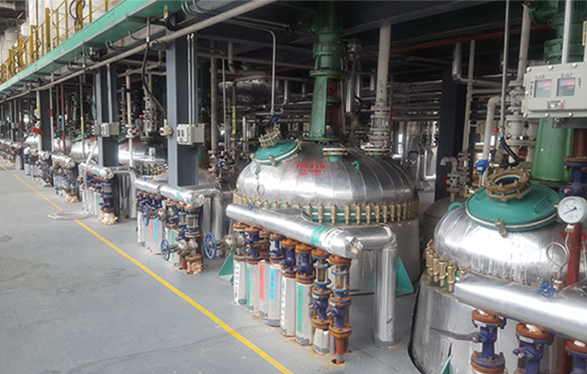
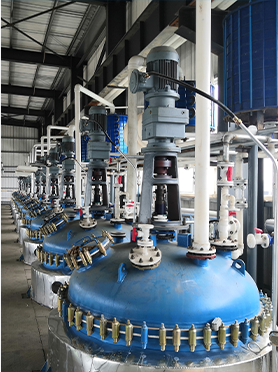
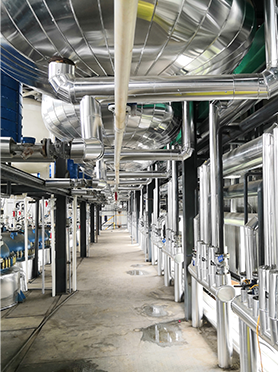
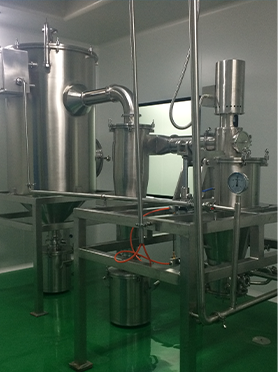
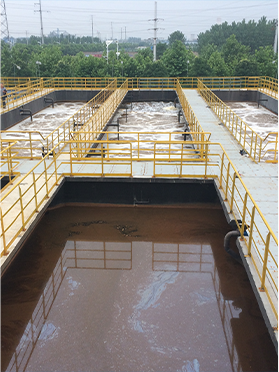
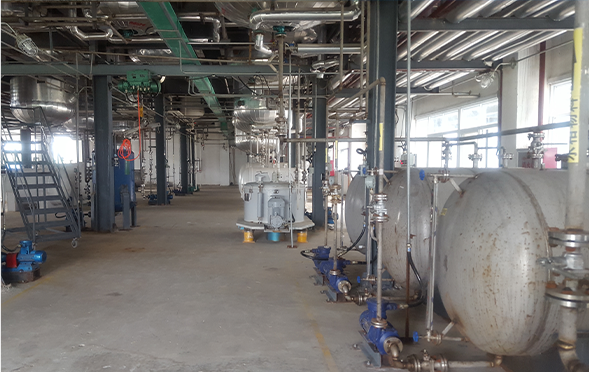
Manufacturing Facilities
Professional Export Experience
to Global Customers
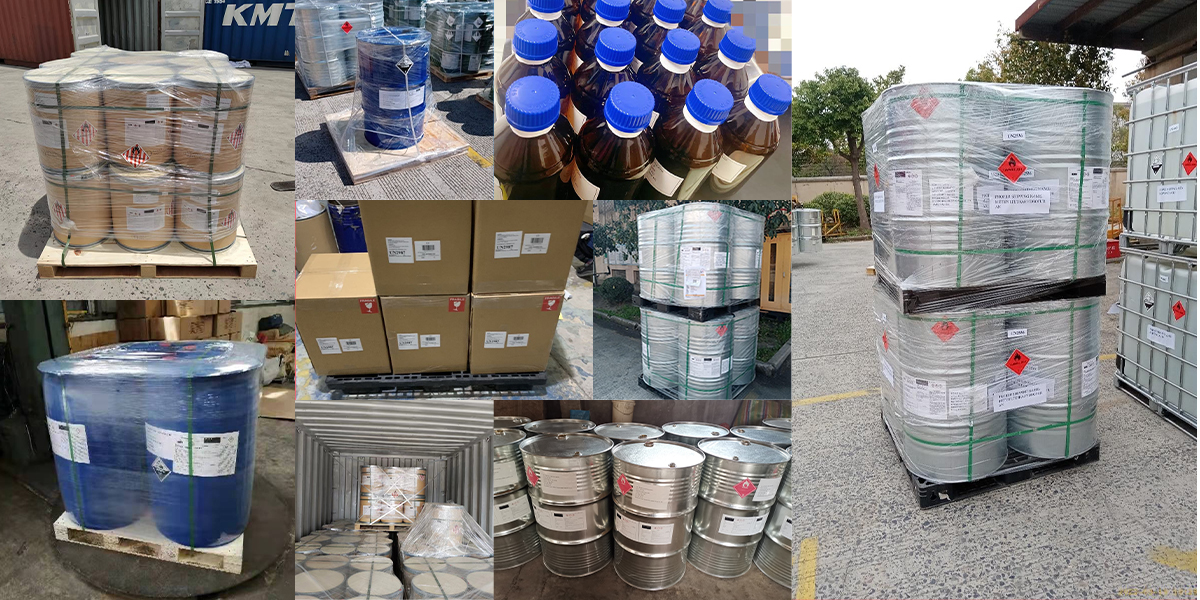
1. 20 years of R&D, manufacturing and sales experience, serving customers in 60 countries and regions around the world;
2. Own R&D laboratory, pilot platform and large-scale production workshop, which can meet the audit requirements of global customers;
3. We can satisfy customers' perfect transition from small scale lab requirements (gram level) to commercialization requirements (hundred tons level).
A: We don't have Minimum Order Quantity, exact quantity should be provided before quotation for us to calculate the exact cost.
A: We don't provide free samples due to lots of request and expensive international courier's cost, we can deduct the sample charge after commercial order placed.
A: Our payment terms: Small or sample order: T/T IN ADVANCE. Commercial order: First order should be by T/T IN ADVANCE or L/C at sight, and following orders T/T 30~90days is acceptable subject to approval of credit application.