
Custom Manufacturing, Project Outsourcing, your Trusted Partner from China
In today's rapidly advancing technological landscape, materials that offer both sustainability and high performance are in high demand. Trimethylene Carbonate (TMC), chemically known as 1,3-Dioxan-2-one and identified by CAS number 2453-03-4, is a prime example of such a material. As a leading manufacturer and supplier, we recognize TMC's critical role in driving innovation across multiple sectors, most notably in sustainable materials and cutting-edge medical technologies. This article highlights the diverse applications of TMC and explains why securing a high-quality supply from a reliable TMC supplier is essential for progress.
The inherent biodegradability and biocompatibility of polymers derived from TMC make it an invaluable component for the medical industry. When TMC undergoes ring-opening polymerization, it forms poly(trimethylene carbonate) (PTMC), a soft, elastomeric polymer that breaks down safely within the body. This characteristic is leveraged in the development of:
Beyond its significant impact on medical technologies, TMC is also gaining traction in the development of sustainable materials. The ability of TMC-based polymers to biodegrade offers an environmentally friendly alternative to conventional petroleum-based plastics in certain applications. As researchers explore novel applications in packaging, textiles, and other consumer goods, the demand for sustainably sourced, high-purity TMC is expected to grow.
For businesses looking to leverage these advanced material properties, the choice of supplier is critical. We, as a dedicated manufacturer in China, ensure that our Trimethylene Carbonate meets stringent purity standards (typically >99.0%), which is vital for achieving the desired polymer characteristics and ensuring product safety, especially in medical applications. Understanding the price of Trimethylene Carbonate in the context of these critical performance requirements helps buyers make informed decisions. We are committed to providing competitive pricing without compromising on the quality and reliability that our clients depend on.
The versatility of TMC allows it to be copolymerized with other monomers, further expanding its application range. By combining TMC with materials like lactide or glycolide, formulators can precisely tune the degradation rate, mechanical strength, and elasticity of the final polymer. This capability is essential for developing customized solutions for complex challenges in both healthcare and sustainability.
In conclusion, Trimethylene Carbonate (CAS 2453-03-4) is a key enabler of innovation in biodegradable polymers, with profound implications for medical advancements and sustainable material development. We invite you to connect with us, a trusted TMC supplier, to explore how our high-quality monomer can support your R&D and manufacturing needs.
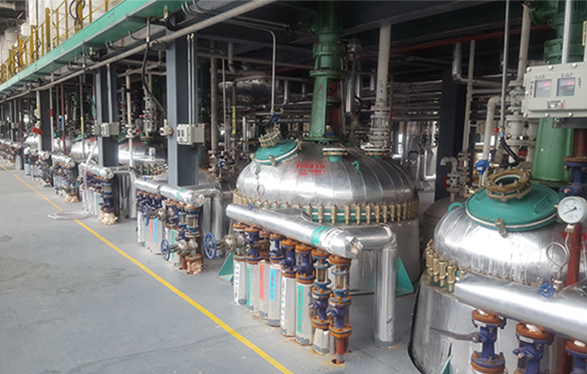
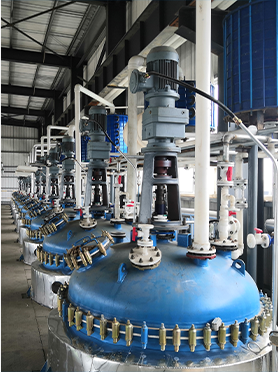
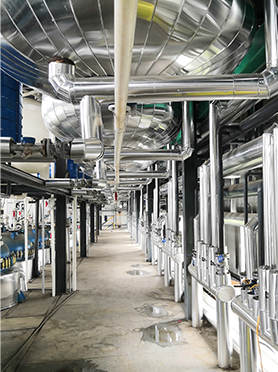
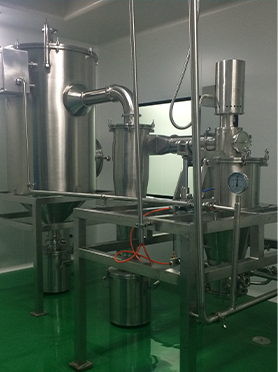
Manufacturing Facilities
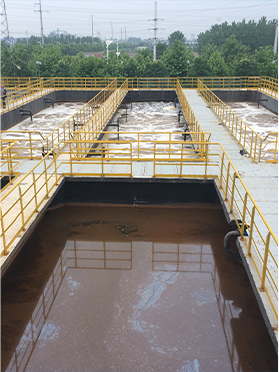
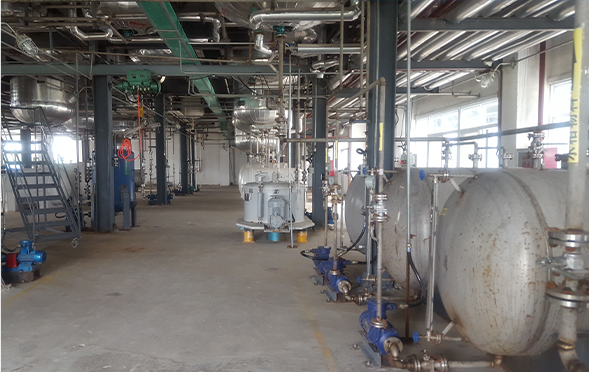
Professional Export Experience
to Global Customers
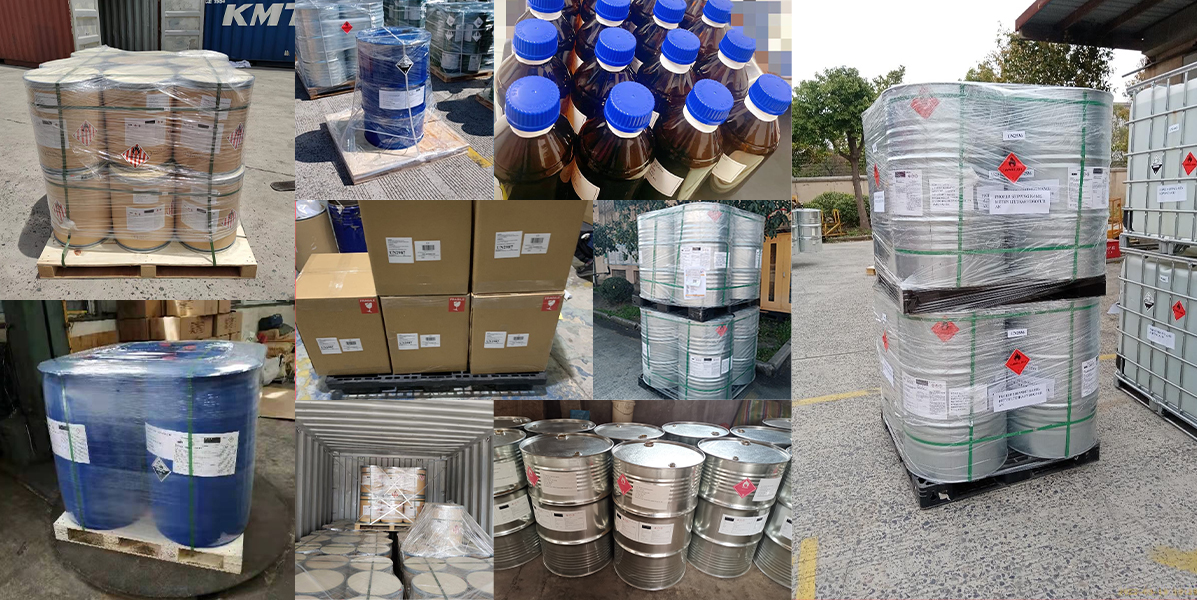
1. 20 years of R&D, manufacturing and sales experience, serving customers in 60 countries and regions around the world;
2. Own R&D laboratory, pilot platform and large-scale production workshop, which can meet the audit requirements of global customers;
3. We can satisfy customers' perfect transition from small scale lab requirements (gram level) to commercialization requirements (hundred tons level).
A: We don't have Minimum Order Quantity, exact quantity should be provided before quotation for us to calculate the exact cost.
A: We don't provide free samples due to lots of request and expensive international courier's cost, we can deduct the sample charge after commercial order placed.
A: Our payment terms: Small or sample order: T/T IN ADVANCE. Commercial order: First order should be by T/T IN ADVANCE or L/C at sight, and following orders T/T 30~90days is acceptable subject to approval of credit application.