
Custom Manufacturing, Project Outsourcing, your Trusted Partner from China
The landscape of pharmaceutical research is constantly evolving, with innovative therapeutic modalities emerging to tackle previously intractable diseases. Among the most exciting advancements is the development of Proteolysis Targeting Chimeras (PROTACs), a revolutionary class of drugs that harness the cell's own degradation machinery to eliminate disease-causing proteins.
At the heart of a PROTAC molecule lies a linker that connects a protein-binding ligand to an E3 ligase-binding ligand. The chemical properties of this linker are critical for the PROTAC's efficacy, influencing its shape, solubility, stability, and ability to recruit the target protein and E3 ligase effectively. Among the diverse linker chemistries being explored, polyethylene glycol (PEG) derivatives, particularly those functionalized with azide groups, have gained significant traction. This is where 2-(2-Azidoethoxy)ethanol (CAS 139115-90-5) plays a pivotal role.
Why Azido-PEG2-Alcohol is Key for PROTACs
2-(2-Azidoethoxy)ethanol, often referred to as Azido-PEG2-alcohol, possesses a unique structure that makes it an ideal building block for PROTAC linkers:
The combination of these features in 2-(2-Azidoethoxy)ethanol (C4H9N3O2, MW 131.13) allows medicinal chemists to design PROTACs with tailored linker lengths and compositions, optimizing their interaction with target proteins and E3 ligases. As researchers push the boundaries of targeted protein degradation, the demand for high-quality intermediates like this continues to grow.
Procuring 2-(2-Azidoethoxy)ethanol for Your Research
Given its critical role in cutting-edge drug discovery, sourcing reliable and high-purity 2-(2-Azidoethoxy)ethanol is essential. When looking to buy this intermediate, consider the following:
NINGBO INNO PHARMCHEM CO.,LTD. as Your PROTAC Linker Supplier
NINGBO INNO PHARMCHEM CO.,LTD. is a premier chemical manufacturer and supplier dedicated to providing the high-quality intermediates necessary for advanced pharmaceutical research. Our 2-(2-Azidoethoxy)ethanol (CAS 139115-90-5) is produced under stringent quality controls, ensuring the high purity required for PROTAC synthesis and other click chemistry applications. We offer competitive pricing and reliable delivery, making us an ideal partner for drug discovery organizations worldwide. If you are developing PROTACs or exploring other click chemistry-based applications, we encourage you to inquire about our Azido-PEG2-alcohol and discover how our commitment to quality and service can support your innovative projects.
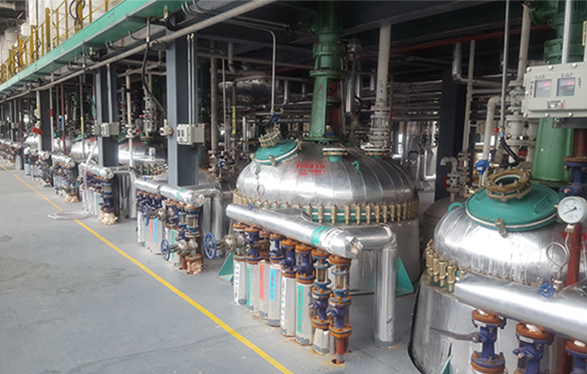
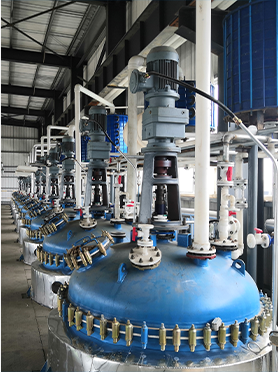
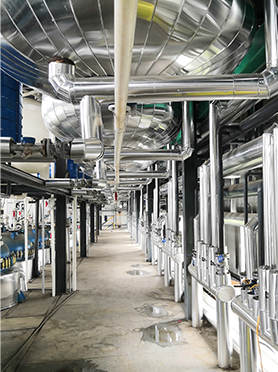
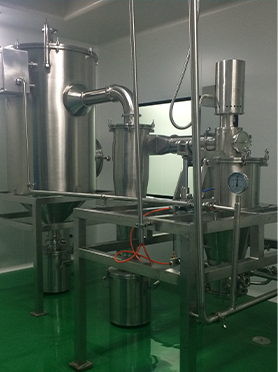
Manufacturing Facilities
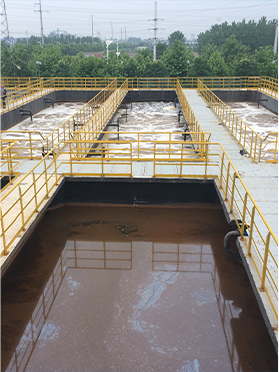
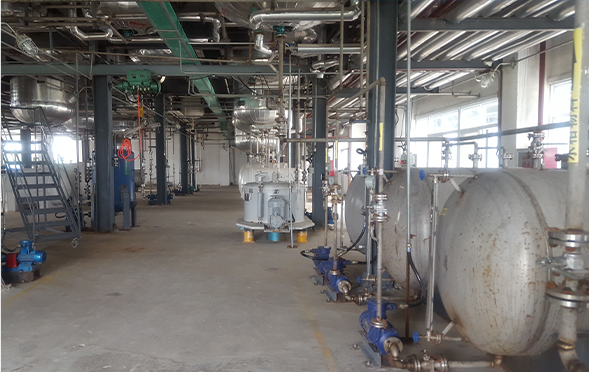
Professional Export Experience
to Global Customers
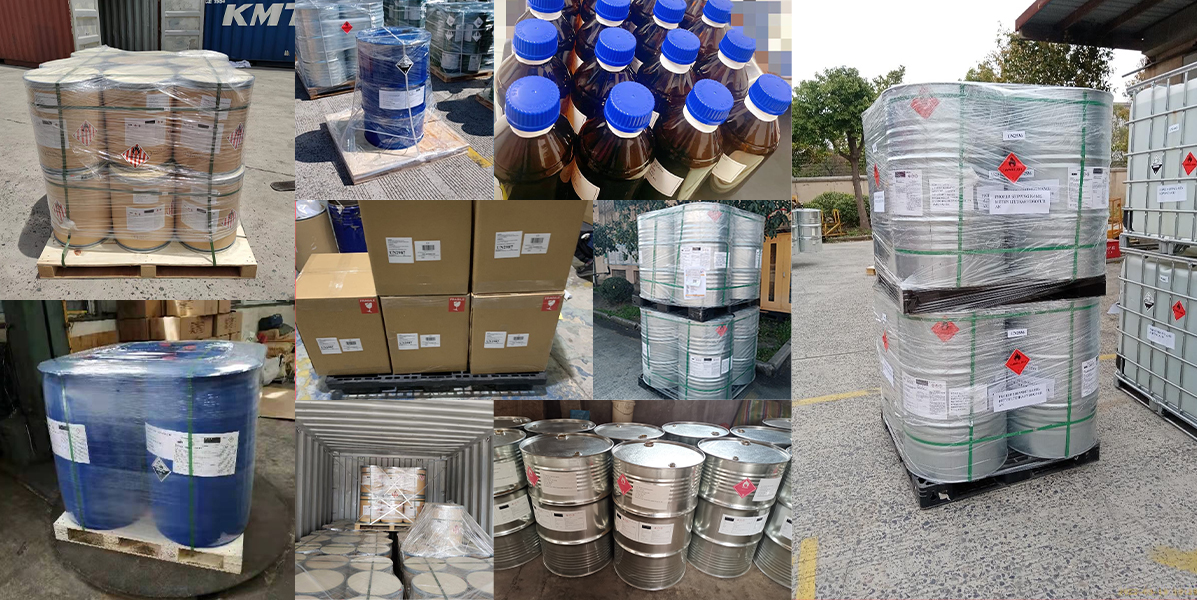
1. 20 years of R&D, manufacturing and sales experience, serving customers in 60 countries and regions around the world;
2. Own R&D laboratory, pilot platform and large-scale production workshop, which can meet the audit requirements of global customers;
3. We can satisfy customers' perfect transition from small scale lab requirements (gram level) to commercialization requirements (hundred tons level).
A: We don't have Minimum Order Quantity, exact quantity should be provided before quotation for us to calculate the exact cost.
A: We don't provide free samples due to lots of request and expensive international courier's cost, we can deduct the sample charge after commercial order placed.
A: Our payment terms: Small or sample order: T/T IN ADVANCE. Commercial order: First order should be by T/T IN ADVANCE or L/C at sight, and following orders T/T 30~90days is acceptable subject to approval of credit application.