
Custom Manufacturing, Project Outsourcing, your Trusted Partner from China
In the realm of industrial coloration, choosing the right blue dye is paramount for achieving desired aesthetic and functional outcomes. Basic Blue 3 (CAS 73570-52-2) is a popular choice, but understanding its competitive landscape and specific advantages is crucial for informed purchasing decisions. This comparison will explore how Basic Blue 3 stacks up against other types of blue dyes, highlighting its strengths for applications in inks, textiles, paper, and more. As a leading manufacturer and supplier, we aim to provide clarity on why Basic Blue 3 remains a preferred option for many industries.
Understanding Dye Classes: The Foundation
Dyes are broadly classified based on their chemical structure, application method, and affinity for different substrates. Basic Blue 3 belongs to the class of 'basic dyes' (also known as cationic dyes). Other common dye classes include:
Basic Blue 3: Key Characteristics and Strengths
Basic Blue 3 (C20H26ClN3O) offers several distinct advantages:
Comparative Analysis:
Basic Blue 3 vs. Acid Dyes: Acid dyes generally offer better light and wash fastness on protein and polyamide fibers. However, for acrylics, Basic Blue 3 usually provides superior brilliance and is often the preferred choice. Acid dyes are unsuitable for cellulosic fibers without modification.
Basic Blue 3 vs. Direct Dyes: Direct dyes are economical for cotton but often have moderate wash fastness. Basic Blue 3 can offer brighter shades on cotton when used with appropriate auxiliaries, but its primary strength isn't cotton itself; it's acrylics.
Basic Blue 3 vs. Reactive Dyes: Reactive dyes offer the highest wash fastness on cotton due to covalent bonding. If exceptional wash fastness on cotton is the absolute priority, reactive dyes are superior. However, they are generally more expensive and not suitable for acrylics.
Basic Blue 3 vs. Disperse Dyes: Disperse dyes are for polyester and other synthetics. Basic Blue 3 is incompatible with polyester and has a different application mechanism.
Basic Blue 3 vs. Solvent Dyes: Solvent dyes are for non-polar media (plastics, oils). Basic Blue 3 is water-soluble and designed for polar substrates like fibers and paper. They serve entirely different purposes.
When to Choose Basic Blue 3:
Conclusion:
Basic Blue 3 stands out as a highly effective and economically viable dye, particularly for acrylic textiles, inks, and paper. While other dye classes may offer superior fastness on specific substrates like cotton or polyester, Basic Blue 3 provides an unparalleled combination of vibrancy, versatility, and value. For those looking to buy Basic Blue 3, engaging with experienced manufacturers and suppliers, especially those in China, ensures access to high-purity product at a competitive price, backed by the technical expertise to optimize its application.
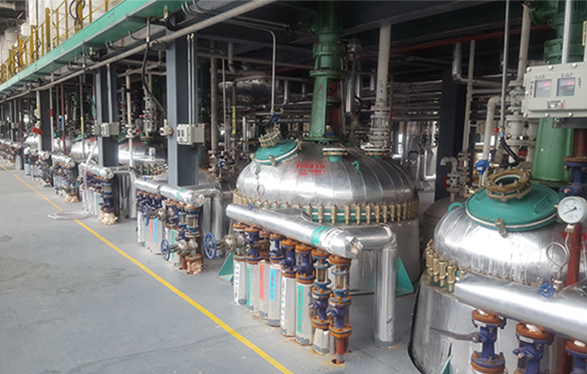
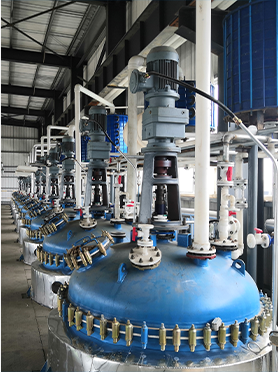
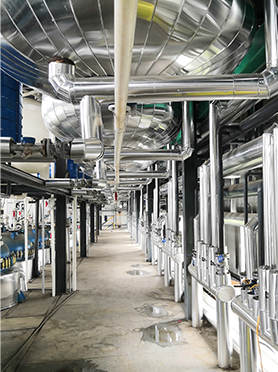
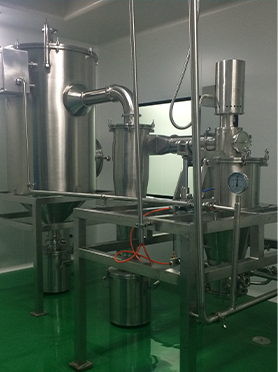
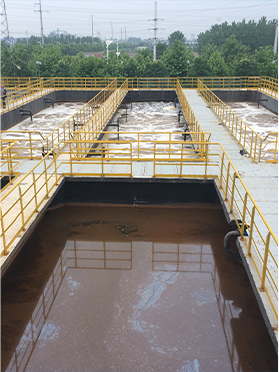
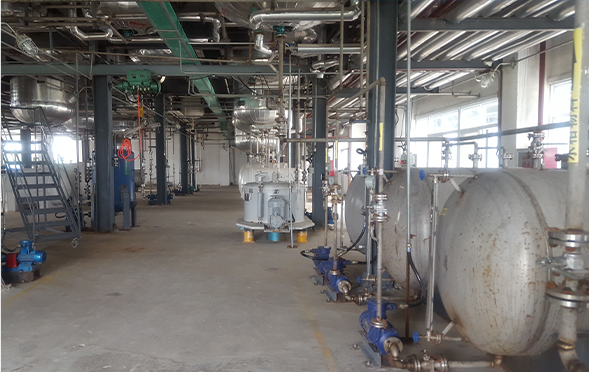
Manufacturing Facilities
Professional Export Experience
to Global Customers
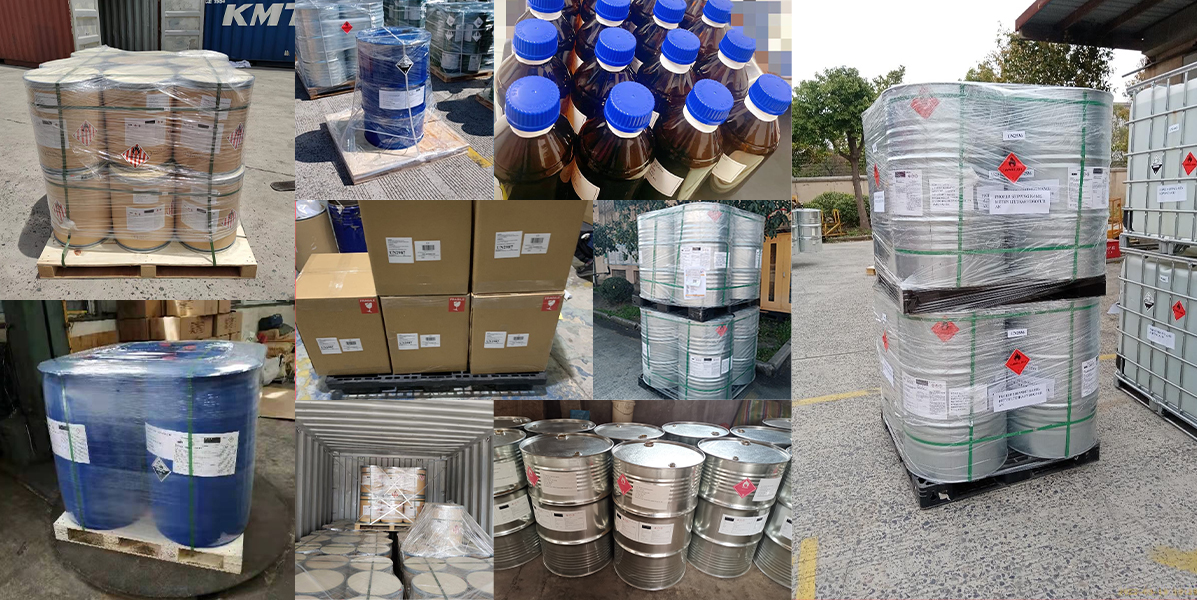
1. 20 years of R&D, manufacturing and sales experience, serving customers in 60 countries and regions around the world;
2. Own R&D laboratory, pilot platform and large-scale production workshop, which can meet the audit requirements of global customers;
3. We can satisfy customers' perfect transition from small scale lab requirements (gram level) to commercialization requirements (hundred tons level).
A: We don't have Minimum Order Quantity, exact quantity should be provided before quotation for us to calculate the exact cost.
A: We don't provide free samples due to lots of request and expensive international courier's cost, we can deduct the sample charge after commercial order placed.
A: Our payment terms: Small or sample order: T/T IN ADVANCE. Commercial order: First order should be by T/T IN ADVANCE or L/C at sight, and following orders T/T 30~90days is acceptable subject to approval of credit application.