
Custom Manufacturing, Project Outsourcing, your Trusted Partner from China
While Tris(2-chloroisopropyl) Phosphate (TCPP) is widely recognized for its crucial role as a flame retardant, its utility extends beyond fire safety. For formulators working with various resins, TCPP also serves as a valuable plasticizer, contributing significantly to material flexibility, processability, and overall performance. This article explores the plasticizing benefits of TCPP in resins such as unsaturated polyester, phenolic, and epoxy systems.
TCPP: A Dual-Function Chemical Additive
The chemical structure of TCPP (CAS No. 13674-84-5) allows it to interact with polymer chains in multiple ways. Its inherent flame-retardant properties, derived from its chlorine and phosphorus content, are well-documented. However, its molecular structure also enables it to reduce the glass transition temperature (Tg) of polymers by increasing chain mobility. This molecular interaction is the essence of its plasticizing effect.
Plasticizing Effects in Different Resins:
Advantages of TCPP as a Plasticizer:
Sourcing High-Quality TCPP from a Reliable Supplier
When seeking to leverage the plasticizing and flame-retardant benefits of TCPP, partnering with a trusted chemical supplier 13674-84-5 is crucial. A reputable manufacturer will guarantee the purity and consistency of the product, ensuring predictable performance. For businesses looking to buy TCPP, particularly in bulk, working with an experienced Tris(2-chloroisopropyl) phosphate manufacturer in China can offer competitive pricing and a stable supply chain. This allows manufacturers to confidently integrate high purity TCPP into their resin formulations, enhancing both safety and flexibility.
In conclusion, Tris(2-chloroisopropyl) Phosphate is more than just a flame retardant; it's a versatile additive that can significantly enhance the plasticizing properties of various resins. By understanding its dual functionality, formulators can optimize their materials for a wider range of demanding applications.
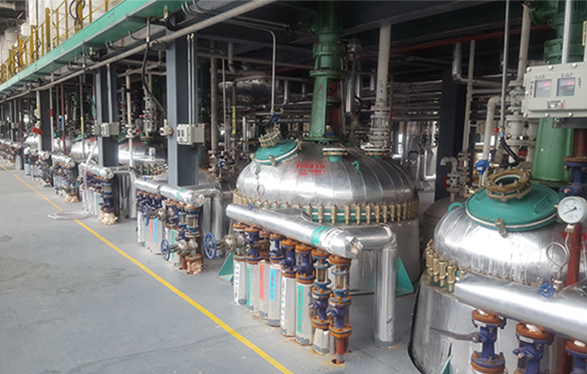
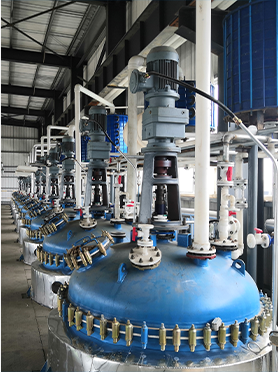
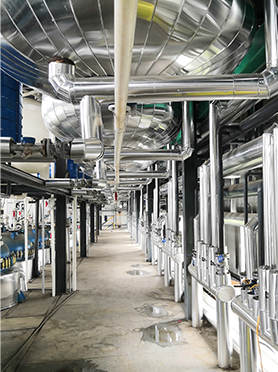
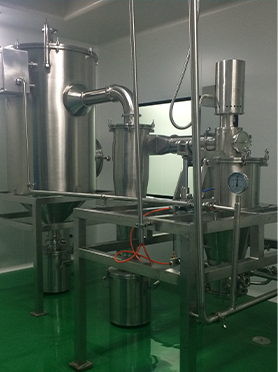
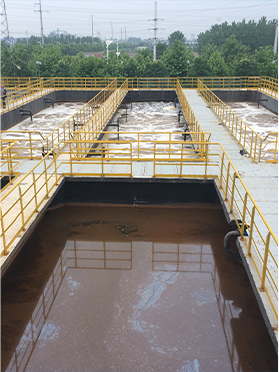
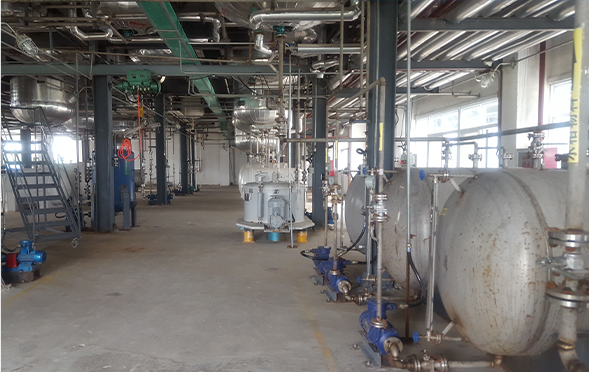
Manufacturing Facilities
Professional Export Experience
to Global Customers
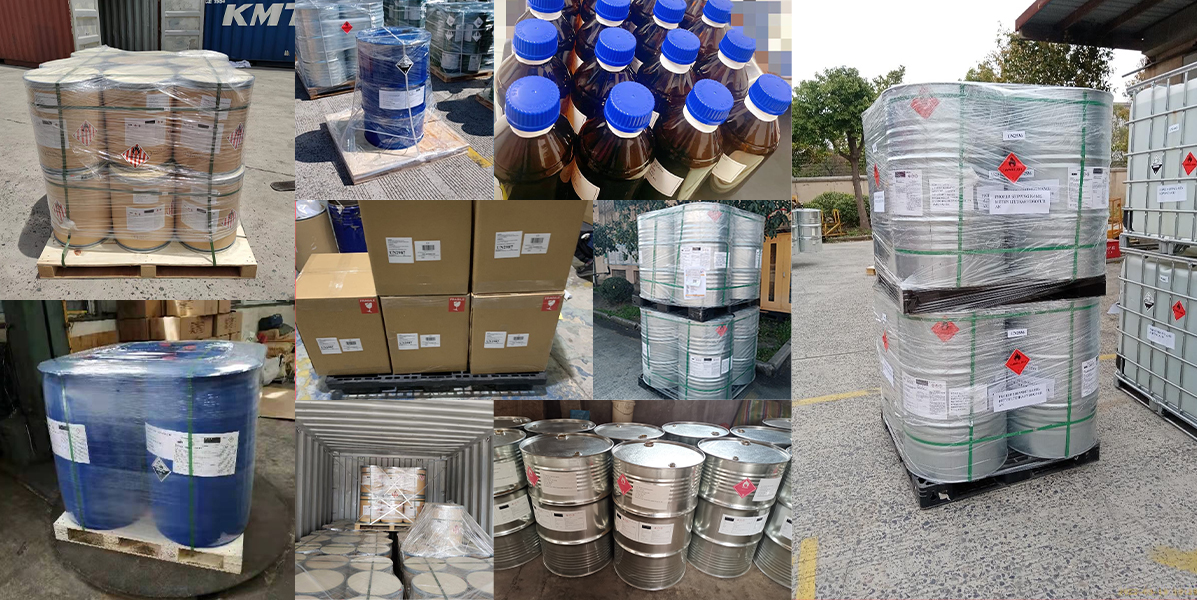
1. 20 years of R&D, manufacturing and sales experience, serving customers in 60 countries and regions around the world;
2. Own R&D laboratory, pilot platform and large-scale production workshop, which can meet the audit requirements of global customers;
3. We can satisfy customers' perfect transition from small scale lab requirements (gram level) to commercialization requirements (hundred tons level).
A: We don't have Minimum Order Quantity, exact quantity should be provided before quotation for us to calculate the exact cost.
A: We don't provide free samples due to lots of request and expensive international courier's cost, we can deduct the sample charge after commercial order placed.
A: Our payment terms: Small or sample order: T/T IN ADVANCE. Commercial order: First order should be by T/T IN ADVANCE or L/C at sight, and following orders T/T 30~90days is acceptable subject to approval of credit application.