Custom Manufacturing, Project Outsourcing, your Trusted Partner from China
Biological methods for removing nitrogen and phosphorus from sewage are increasingly important due to their cost-effectiveness and environmental sustainability. These processes harness the metabolic capabilities of microorganisms to transform and remove nutrients. For professionals in wastewater treatment, understanding these biological denitrification and phosphorus removal techniques is crucial for optimizing plant performance and meeting stringent environmental regulations. This article provides an overview of popular biological methods and highlights the importance of sourcing reliable expertise and inputs.
Biological nutrient removal (BNR) relies on specific microbial communities to convert nitrogen compounds (like ammonia and nitrate) into nitrogen gas (denitrification) and to assimilate phosphorus into biomass (biological phosphorus removal). These processes often occur in dedicated zones within a wastewater treatment plant, requiring specific operational conditions such as anoxic or anaerobic environments.
Several well-established biological systems are employed for nutrient removal:
The primary advantage of biological treatment methods is their lower operating cost compared to chemical precipitation, especially concerning energy consumption and chemical usage. They also produce less sludge, which is often easier to manage. However, these processes are sensitive to operational parameters such as temperature, pH, dissolved oxygen levels, and influent organic loading. Maintaining stable conditions requires careful monitoring and control, often necessitating specialized equipment and expertise. When sourcing necessary components or microbial cultures, choosing reputable manufacturers and suppliers is essential for consistent performance.
For facilities looking to implement or upgrade their biological nutrient removal capabilities, a thorough understanding of process design and microbial ecology is necessary. Consulting with wastewater treatment specialists or purchasing specialized microbial inoculants from trusted sources can significantly enhance treatment efficiency. As the demand for sustainable wastewater management grows, biological denitrification and phosphorus removal methods are set to play an even larger role.
By embracing these biological treatment strategies, wastewater facilities can achieve superior effluent quality while minimizing their environmental footprint and operational costs. Continuous research and adoption of advanced biological processes are key to meeting future water quality challenges.
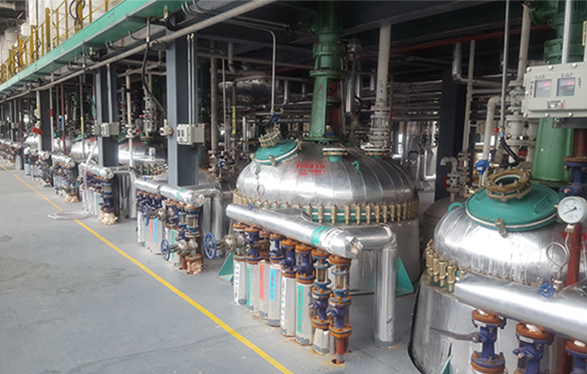
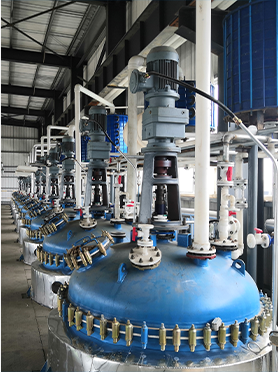
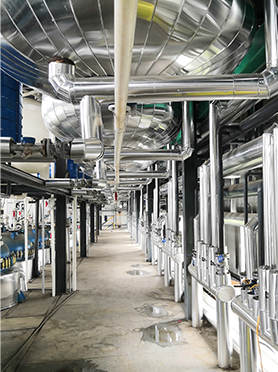
Manufacturing Facilities
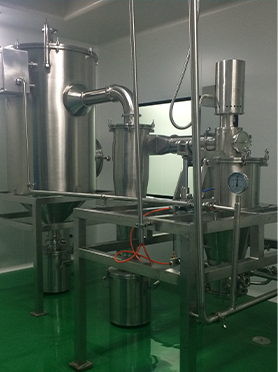
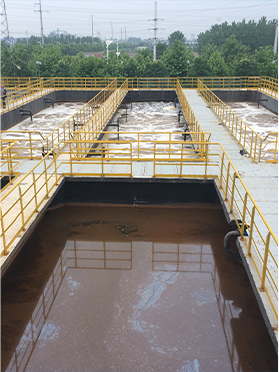
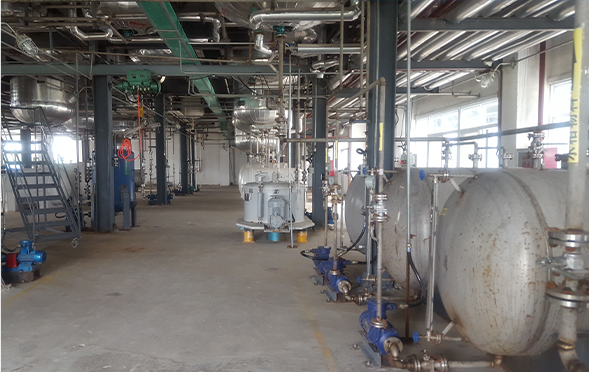
Professional Export Experience
to Global Customers
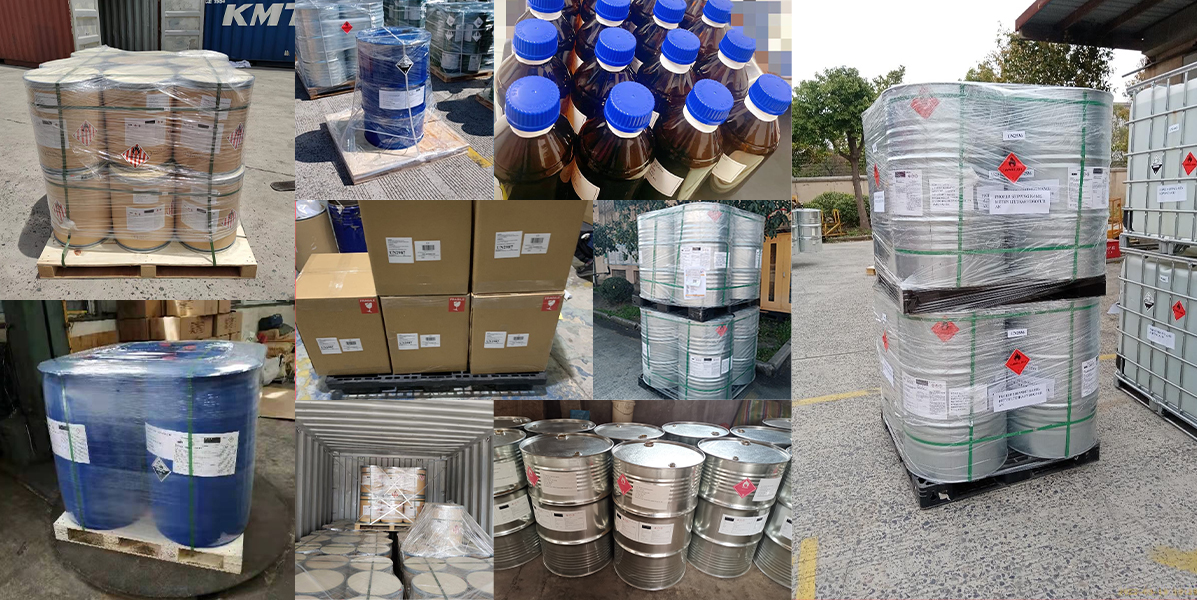
1. 20 years of R&D, manufacturing and sales experience, serving customers in 60 countries and regions around the world;
2. Own R&D laboratory, pilot platform and large-scale production workshop, which can meet the audit requirements of global customers;
3. We can satisfy customers' perfect transition from small scale lab requirements (gram level) to commercialization requirements (hundred tons level).
A: We don't have Minimum Order Quantity, exact quantity should be provided before quotation for us to calculate the exact cost.
A: We don't provide free samples due to lots of request and expensive international courier's cost, we can deduct the sample charge after commercial order placed.
A: Our payment terms: Small or sample order: T/T IN ADVANCE. Commercial order: First order should be by T/T IN ADVANCE or L/C at sight, and following orders T/T 30~90days is acceptable subject to approval of credit application.