
Custom Manufacturing, Project Outsourcing, your Trusted Partner from China
D-Serine, a non-proteinogenic amino acid, holds a unique and increasingly recognized place in biological science and industry. Unlike its more commonly known L-isomer, D-Serine plays specific roles in the mammalian nervous system and serves as a valuable compound in various scientific and commercial applications. Understanding its synthesis and diverse uses provides insight into its growing importance.
The Synthesis of D-Serine
D-Serine is synthesized in the body primarily from L-serine through the action of the enzyme serine racemase. This enzyme converts L-serine into its D-isomer. Serine itself is a conditionally essential amino acid, meaning while the body can produce it, adequate intake or production is crucial for optimal function. L-serine is synthesized from intermediates in the glycolysis pathway. The conversion of L-serine to D-serine by serine racemase is a key regulatory step, ensuring the availability of D-Serine for its specific biological functions, particularly within the central nervous system.
Biological Functions of D-Serine
The primary recognized biological function of D-Serine is its role as a co-agonist at the NMDA receptor in the brain. This interaction is critical for synaptic plasticity, learning, and memory. It is also implicated in the modulation of neurotransmission and has been linked to various neurological processes and conditions, including schizophrenia and cognitive function. The precise balance of D-Serine levels is vital for maintaining these neurological functions.
Industrial Applications of D-Serine
Beyond its biological roles, D-Serine has found significant applications in several industrial sectors. Its high purity and specific biochemical properties make it a valuable compound for:
The precise D-Serine synthesis pathways and its controlled availability are crucial for its biological functions and industrial utility. Researchers and manufacturers often source high-quality D-Serine to ensure the efficacy and reliability of their products and studies.
In conclusion, D-Serine is a biologically significant amino acid with a critical role in brain function, particularly through its interaction with NMDA receptors. Its synthesis and applications span from fundamental neuroscience research to the development of pharmaceutical agents and cognitive enhancers, underscoring its multifaceted importance in science and industry.
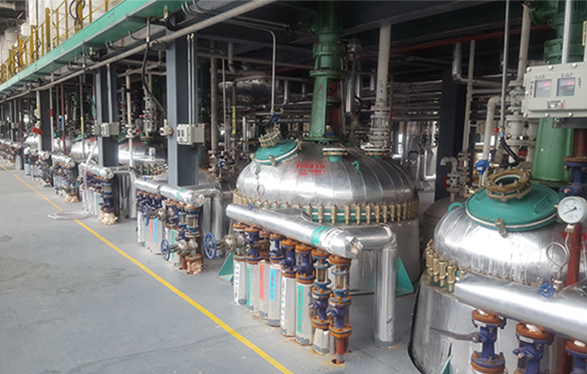
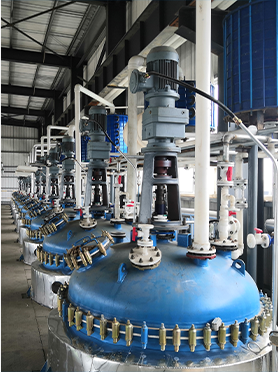
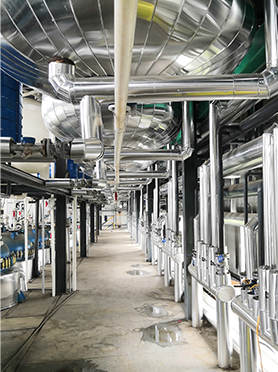
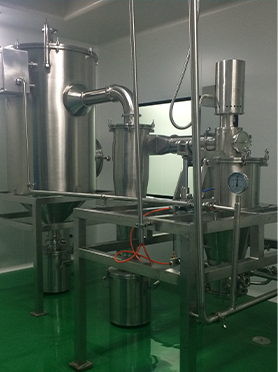
Manufacturing Facilities
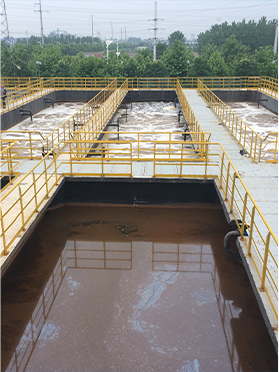
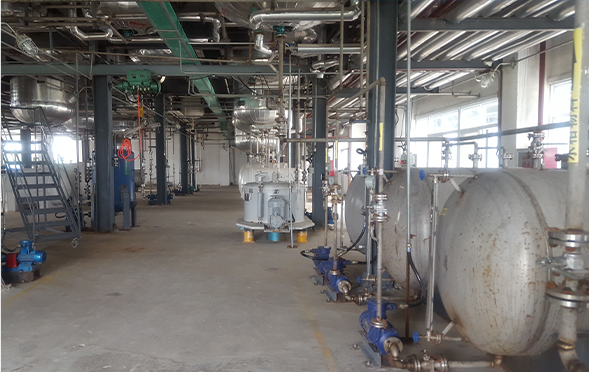
Professional Export Experience
to Global Customers
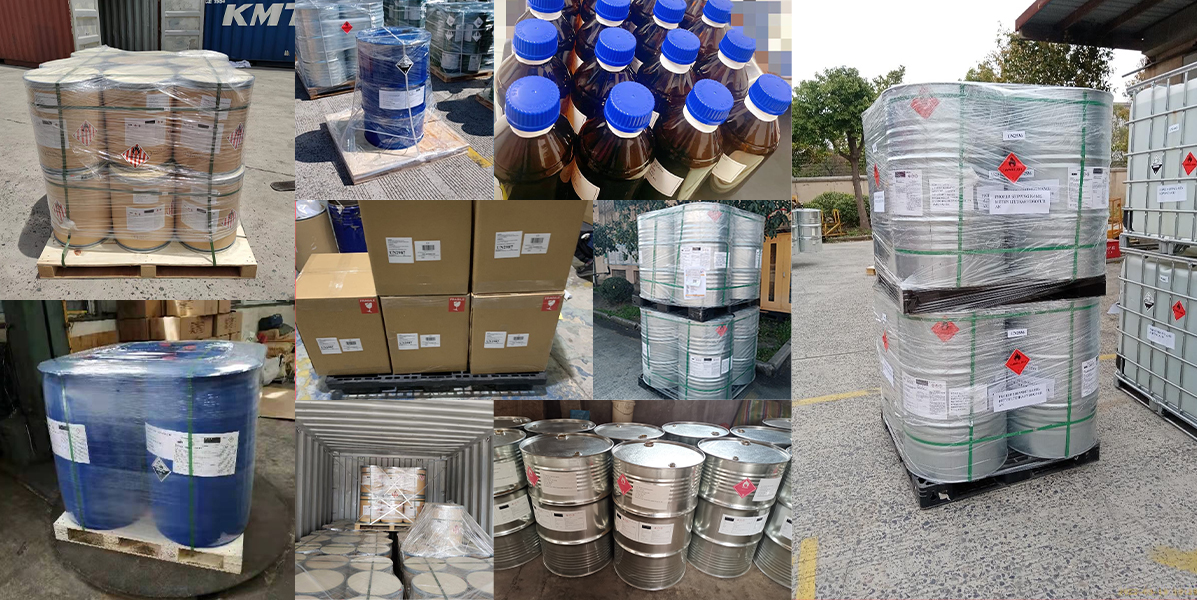
1. 20 years of R&D, manufacturing and sales experience, serving customers in 60 countries and regions around the world;
2. Own R&D laboratory, pilot platform and large-scale production workshop, which can meet the audit requirements of global customers;
3. We can satisfy customers' perfect transition from small scale lab requirements (gram level) to commercialization requirements (hundred tons level).
A: We don't have Minimum Order Quantity, exact quantity should be provided before quotation for us to calculate the exact cost.
A: We don't provide free samples due to lots of request and expensive international courier's cost, we can deduct the sample charge after commercial order placed.
A: Our payment terms: Small or sample order: T/T IN ADVANCE. Commercial order: First order should be by T/T IN ADVANCE or L/C at sight, and following orders T/T 30~90days is acceptable subject to approval of credit application.