
Custom Manufacturing, Project Outsourcing, your Trusted Partner from China
Selecting the appropriate silicone softener is a critical decision for any textile finishing operation. Two of the most commonly considered types are amino silicone oils and block silicone oils. While both aim to enhance fabric softness and feel, they differ significantly in their chemical structures, performance characteristics, and application suitability. NINGBO INNO PHARMCHEM CO.,LTD., a leading manufacturer of textile auxiliaries, provides a comprehensive comparison to guide textile professionals in making informed choices.
Understanding the Chemical Basis: Structure Dictates Performance
Amino Silicone Oils: These are polydimethylsiloxane (PDMS) chains modified with pendant amino groups (-NH2). The presence of these amino groups imparts excellent substantivity to fibers, leading to good softness and a smooth handfeel. However, the reactivity of these amino groups can sometimes lead to issues like yellowing, reduced hydrophilicity, and potential instability under certain conditions (e.g., high temperatures or acidic/alkaline environments).
Block Silicone Oils: These are more complex terpolymers or block copolymers that incorporate siloxane segments with other functional groups, such as polyethers or amines, arranged in specific blocks. This sophisticated structure allows for a more tailored combination of properties, often resulting in improved stability, enhanced hydrophilicity, and a superior, more luxurious handfeel compared to many amino silicones. They are designed to overcome some of the limitations of their predecessors.
Key Performance Differentiators: A Feature-by-Feature Analysis
When evaluating which type of silicone softener to buy, consider the following:
Choosing the Right Partner for Your Needs
NINGBO INNO PHARMCHEM CO.,LTD. offers a comprehensive range of both amino and block silicone softeners to cater to diverse market needs. As a leading textile chemical manufacturer, we understand that the best choice depends on the specific application, desired fabric properties, and budget. Our technical sales team is available to discuss your project requirements and recommend the most suitable product. We are committed to providing high-quality textile auxiliaries and expert advice to ensure your success.
Whether you are looking for a cost-effective solution for general softening or a high-performance, stable, and hydrophilic finish for premium fabrics, understanding the differences between amino and block silicone oils is key. Partner with NINGBO INNO PHARMCHEM for reliable sourcing and expert guidance in textile finishing.
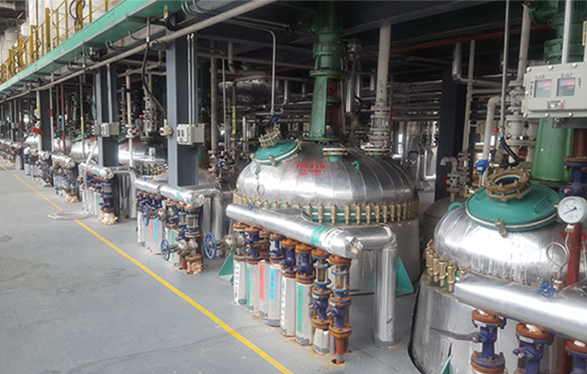
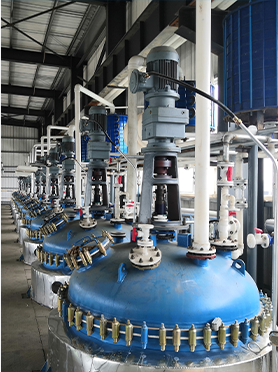
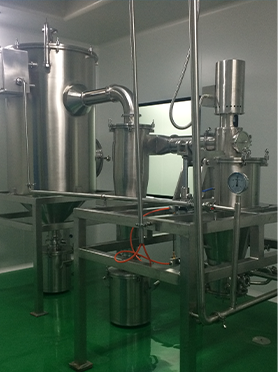
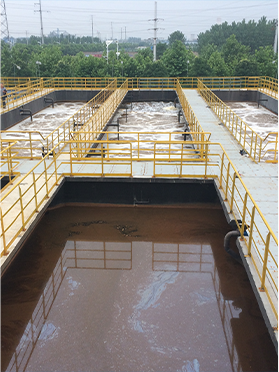
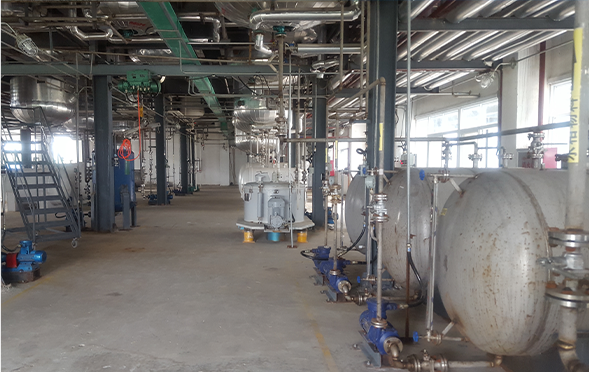
Manufacturing Facilities

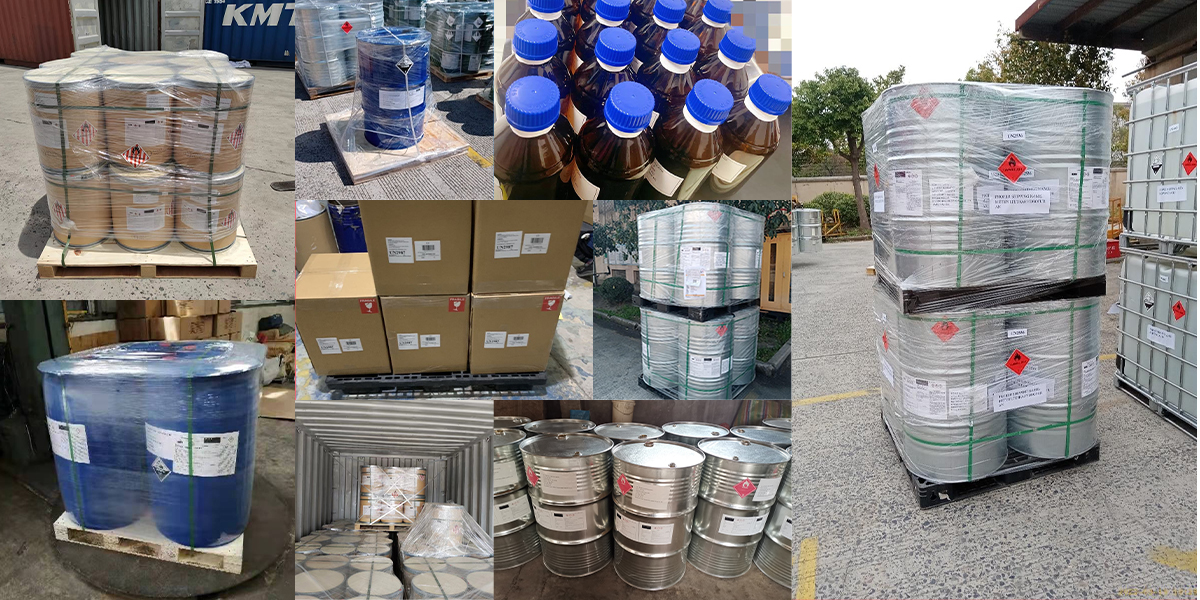
Professional Export Experience
to Global Customers
1. 20 years of R&D, manufacturing and sales experience, serving customers in 60 countries and regions around the world;
2. Own R&D laboratory, pilot platform and large-scale production workshop, which can meet the audit requirements of global customers;
3. We can satisfy customers' perfect transition from small scale lab requirements (gram level) to commercialization requirements (hundred tons level).
A: We don't have Minimum Order Quantity, exact quantity should be provided before quotation for us to calculate the exact cost.
A: We don't provide free samples due to lots of request and expensive international courier's cost, we can deduct the sample charge after commercial order placed.
A: Our payment terms: Small or sample order: T/T IN ADVANCE. Commercial order: First order should be by T/T IN ADVANCE or L/C at sight, and following orders T/T 30~90days is acceptable subject to approval of credit application.