
Custom Manufacturing, Project Outsourcing, your Trusted Partner from China
Procurement managers tasked with sourcing essential chemical materials often face the challenge of balancing cost, quality, and performance. When it comes to ion exchange resins, particularly anion exchange resins used in critical applications like water treatment and chemical processing, understanding how to buy high-capacity products is key to operational efficiency and cost savings. This guide focuses on what procurement professionals need to know to make informed purchasing decisions.
Defining High Capacity in Anion Exchange Resins
High capacity in an anion exchange resin refers to its ability to exchange a large number of anions per unit volume or weight. This is typically measured in milliequivalents per milliliter (meq/mL) or milliequivalents per gram (meq/g). A higher capacity means that the resin can treat more water or process more chemicals before requiring regeneration, leading to reduced operational costs, less downtime, and a more efficient overall process. For applications such as deacidification water filters or advanced chemical purification, investing in a high-capacity resin is often a strategic move. When researching products, look for specifications like those associated with resins identified by CAS No. 12627-85-9, which often indicate robust performance characteristics.
Key Specifications to Consider When Buying
When you are ready to purchase anion exchange resin, several specifications should be carefully reviewed. Beyond capacity, consider the following:
Understanding these specifications will enable you to make a more informed decision and select a product that meets your exact needs.
Selecting a Reliable Supplier
For procurement managers, sourcing from a reliable manufacturer and supplier is paramount. Many businesses turn to Chinese chemical suppliers for competitive pricing and a broad selection of products. When looking to buy anion exchange resin, especially in bulk, it's important to vet potential suppliers thoroughly. Check for their manufacturing capabilities, quality control processes, certifications (like ISO), and their ability to provide consistent supply. A good supplier will offer detailed technical data sheets, certificates of analysis, and responsive customer service. They should also be transparent about pricing and shipping terms. Engaging with a supplier that understands your specific industry, whether it’s water treatment or fine chemicals, can lead to better product recommendations and support.
The Purchasing Process: From Sample to Order
Before committing to a large order, it is highly recommended to request samples of the anion exchange resin you are considering. This allows your R&D or technical team to test its performance in your specific application, verify its capacity, and ensure it meets your stringent requirements. Once satisfied, proceed with placing an order, ensuring clear communication regarding quantities, delivery schedules, and payment terms. By following these steps, procurement managers can confidently buy high-capacity anion exchange resin that contributes significantly to the efficiency and cost-effectiveness of their operations.
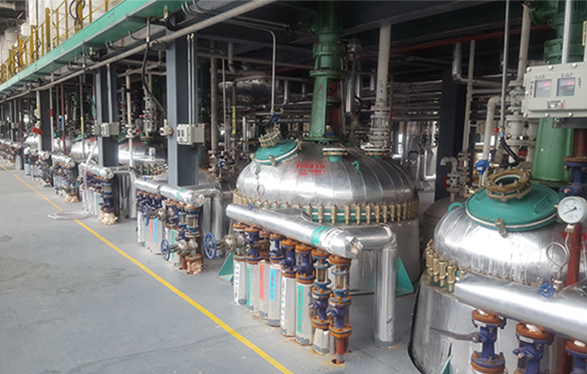
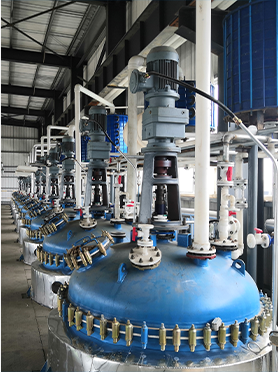
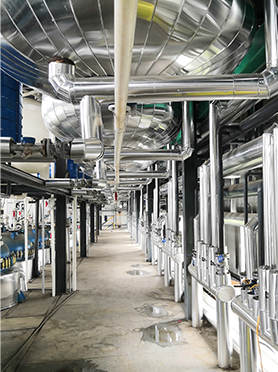
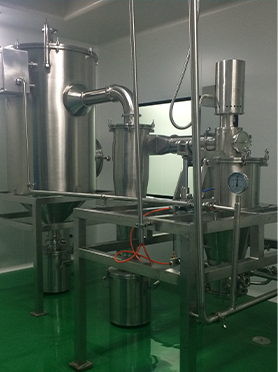
Manufacturing Facilities
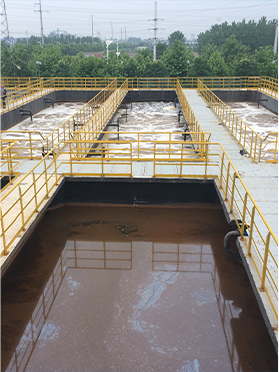
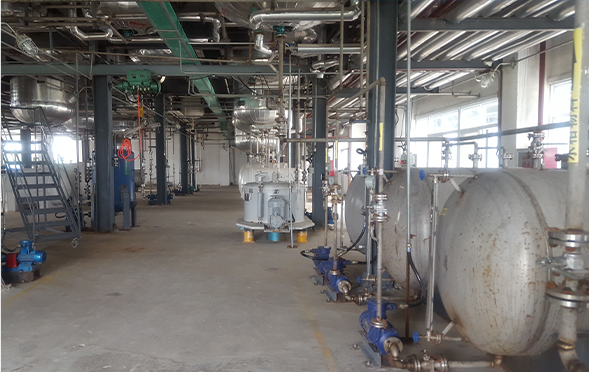
Professional Export Experience
to Global Customers
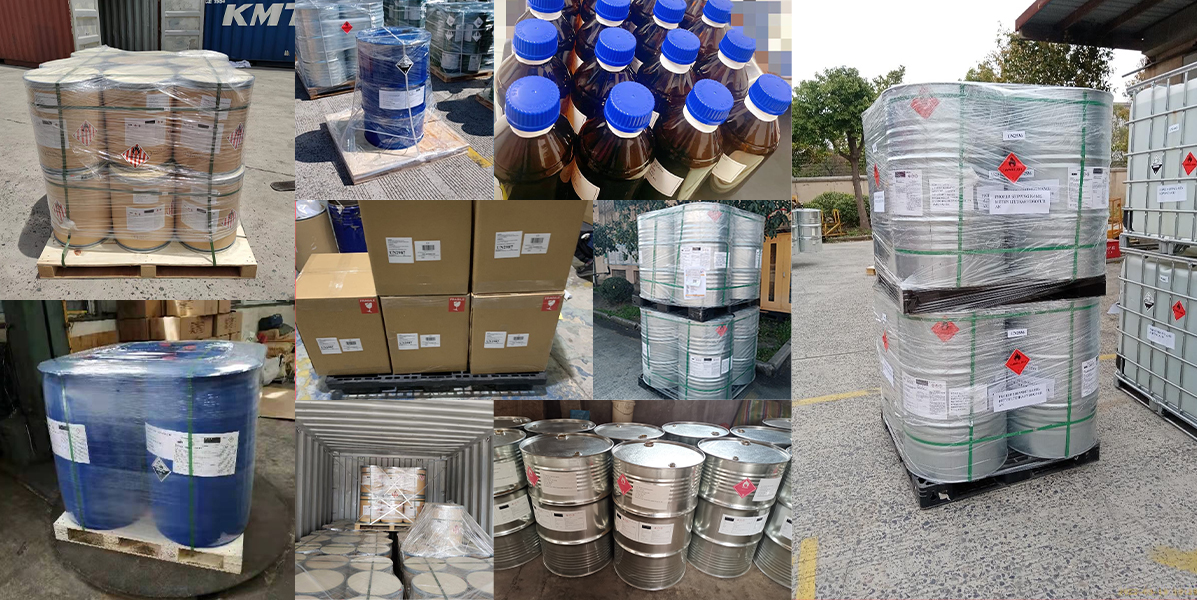
1. 20 years of R&D, manufacturing and sales experience, serving customers in 60 countries and regions around the world;
2. Own R&D laboratory, pilot platform and large-scale production workshop, which can meet the audit requirements of global customers;
3. We can satisfy customers' perfect transition from small scale lab requirements (gram level) to commercialization requirements (hundred tons level).
A: We don't have Minimum Order Quantity, exact quantity should be provided before quotation for us to calculate the exact cost.
A: We don't provide free samples due to lots of request and expensive international courier's cost, we can deduct the sample charge after commercial order placed.
A: Our payment terms: Small or sample order: T/T IN ADVANCE. Commercial order: First order should be by T/T IN ADVANCE or L/C at sight, and following orders T/T 30~90days is acceptable subject to approval of credit application.