
Custom Manufacturing, Project Outsourcing, your Trusted Partner from China
The evolution of polymer additives is driven by a constant pursuit of enhanced performance, improved safety, and greater environmental responsibility. For Polyvinyl Chloride (PVC) stabilization, this evolution has seen a significant shift away from traditional heavy metal-based stabilizers, particularly lead-based compounds, towards more eco-friendly alternatives like Calcium Zinc (Ca/Zn) stabilizers. This article provides a comprehensive comparison, highlighting why Ca/Zn stabilizers are increasingly becoming the preferred choice for manufacturers aiming to buy high-quality, compliant PVC products.
Understanding Lead Stabilizers: The Past Standard
Lead-based stabilizers, such as lead soaps, have been used in PVC for decades due to their excellent heat stability, good electrical properties, and cost-effectiveness. They offer robust protection against thermal degradation during processing and provide excellent long-term durability in finished products. However, the significant health and environmental risks associated with lead—including toxicity, carcinogenicity, and bioaccumulation—have led to stringent regulations and bans in many regions worldwide. Their continued use is becoming increasingly untenable for responsible manufacturers.
The Rise of Calcium Zinc Stabilizers: The Future of PVC Stabilization
Calcium Zinc (Ca/Zn) compound stabilizers represent a modern, sustainable approach to PVC stabilization. They are typically formulated using calcium stearate and zinc stearate, often in combination with co-stabilizers like beta-diketones and antioxidants. Their advantages are manifold:
Performance Comparison Summary:
| Feature | Lead Stabilizers | Calcium Zinc Stabilizers |
|---|---|---|
| Heat Stability | Excellent | Very Good to Excellent (Modern Formulations) |
| Lubrication | Requires separate lubricants | Integrated Internal & External Lubrication |
| Environmental/Health Safety | High Risk (Heavy Metal Toxicity) | Low Risk (Non-toxic, Heavy Metal-Free) |
| Regulatory Compliance | Increasingly Restricted | High Compliance (RoHS, REACH) |
| Cost | Generally Lower | Competitive, Value-Driven |
| Applications | Traditional, but declining | Broad Range, Growing Demand |
Choosing the Right Stabilizer for Your Business
For manufacturers committed to product quality, safety, and regulatory compliance, the choice is clear. Transitioning to Ca/Zn stabilizers is not just about meeting new standards; it’s about leveraging superior performance characteristics and building a more sustainable business model. As a leading manufacturer and supplier of advanced polymer additives, NINGBO INNO PHARMCHEM CO.,LTD. offers a comprehensive range of Calcium Zinc Compound Stabilizers. We are dedicated to providing products that deliver on both performance and safety, with competitive pricing and robust technical support. When you choose to buy from us, you are investing in a partnership that prioritizes your success and the well-being of the environment.
Contact us today to discuss your specific PVC stabilization needs and discover how our Ca/Zn stabilizers can enhance your product offerings.
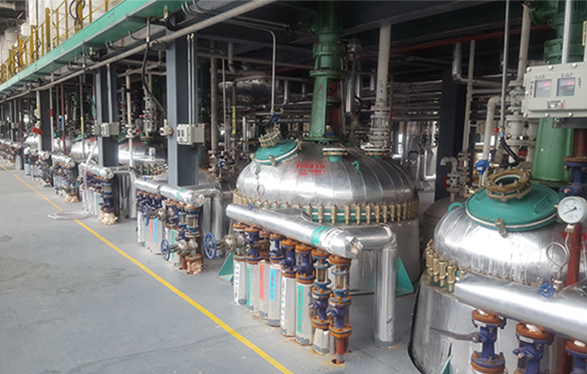
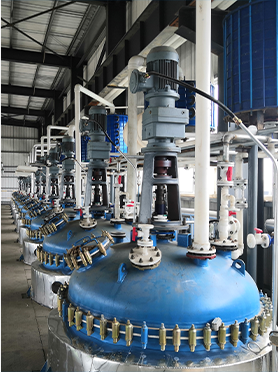
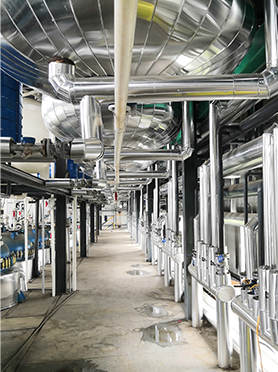
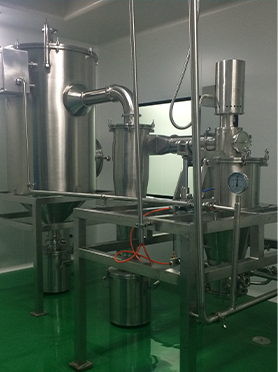
Manufacturing Facilities
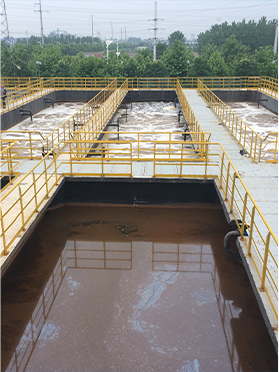
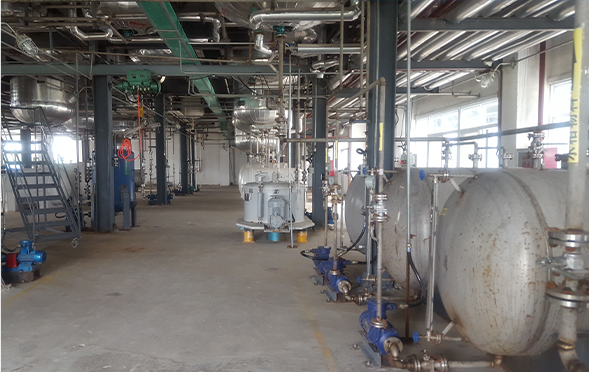
Professional Export Experience
to Global Customers
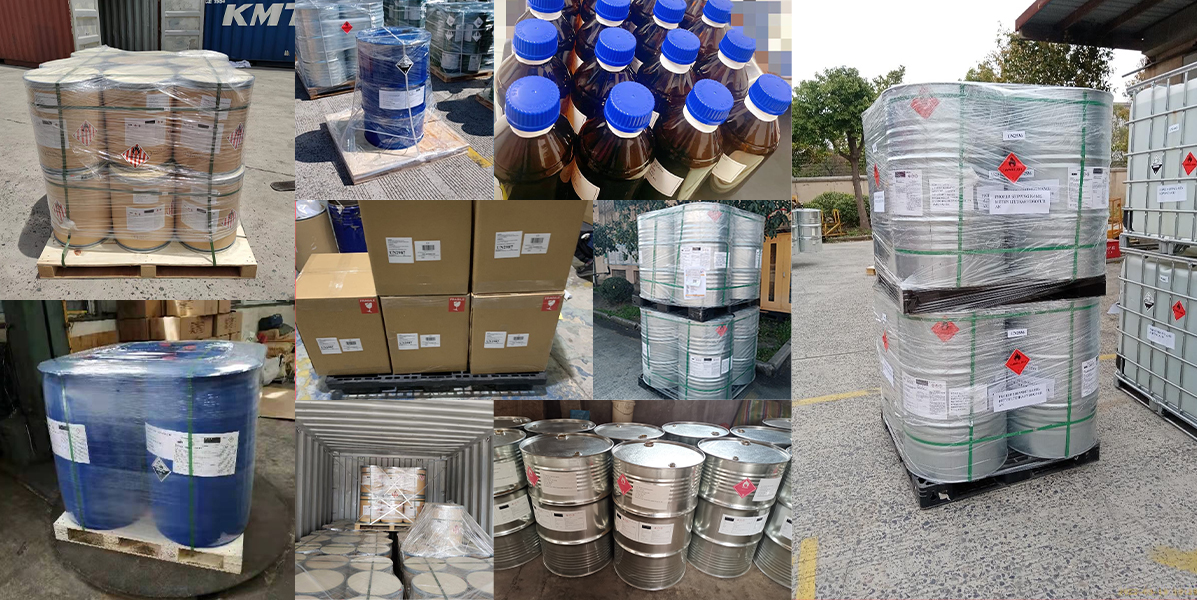
1. 20 years of R&D, manufacturing and sales experience, serving customers in 60 countries and regions around the world;
2. Own R&D laboratory, pilot platform and large-scale production workshop, which can meet the audit requirements of global customers;
3. We can satisfy customers' perfect transition from small scale lab requirements (gram level) to commercialization requirements (hundred tons level).
A: We don't have Minimum Order Quantity, exact quantity should be provided before quotation for us to calculate the exact cost.
A: We don't provide free samples due to lots of request and expensive international courier's cost, we can deduct the sample charge after commercial order placed.
A: Our payment terms: Small or sample order: T/T IN ADVANCE. Commercial order: First order should be by T/T IN ADVANCE or L/C at sight, and following orders T/T 30~90days is acceptable subject to approval of credit application.