
Custom Manufacturing, Project Outsourcing, your Trusted Partner from China
In the field of industrial adsorbents, both Activated Carbon (AC) and Carbon Molecular Sieves (CMS) are widely used for gas separation and purification. While both are derived from carbonaceous materials, their structural differences lead to distinct performance characteristics, making one significantly more suitable for specific applications, particularly for high-purity nitrogen generation via Pressure Swing Adsorption (PSA). Understanding these differences is crucial for engineers and procurement specialists looking to buy chemical adsorbents that deliver optimal results.
What is Activated Carbon?
Activated Carbon is a highly porous material known for its vast internal surface area. This characteristic makes it an excellent general-purpose adsorbent for a wide range of substances, including VOCs, odors, and moisture. AC's pores are typically distributed across a broad range of sizes, from micropores to macropores. Its adsorption mechanism is primarily based on Van der Waals forces and is often equilibrium-dependent, meaning the amount adsorbed is influenced by the concentration of the adsorbate and other equilibrium factors.
The Unique Nature of Carbon Molecular Sieves (CMS)
Carbon Molecular Sieves, while also porous carbon materials, are distinguished by their precisely engineered micropore structure. Unlike the broad pore size distribution of AC, CMS possesses a relatively narrow distribution of micropores with diameters typically in the range of 3-5 angstroms. This controlled pore size is the defining feature that enables CMS to perform kinetic gas separations. The separation is not solely based on adsorption affinity (equilibrium) but primarily on the differential diffusion rates of gas molecules through these narrow pores.
In the context of air separation for nitrogen production in PSA systems, oxygen molecules diffuse into the CMS micropores much faster than nitrogen molecules. This kinetic difference allows nitrogen to pass through largely unadsorbed, leading to a nitrogen-enriched gas stream. This mechanism is far more effective for achieving high-purity nitrogen than what is typically possible with standard activated carbon.
Key Differences and Applications: CMS vs. Activated Carbon
Why Choose CMS for Nitrogen Generation?
When your industrial process demands high-purity nitrogen, selecting CMS over AC is not just a preference; it's a necessity. The ability of CMS to achieve rapid kinetic separation ensures higher nitrogen purity and yield compared to what AC can deliver in a PSA setup. As a leading manufacturer of carbon molecular sieve, NINGBO INNO PHARMCHEM CO.,LTD. focuses on producing CMS with optimal pore characteristics for maximum performance in nitrogen generation. If you are seeking a reliable adsorbent supplier for your PSA system, our CMS products offer the efficiency and purity required to meet your operational goals. Explore our offerings and understand why CMS is the superior choice for demanding gas separation needs.
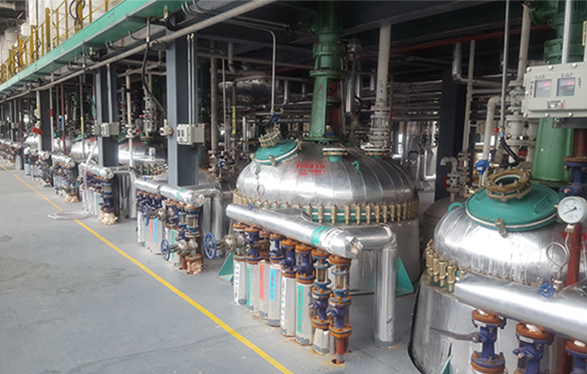
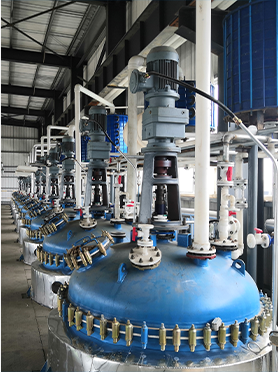
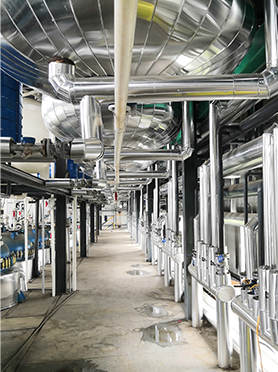
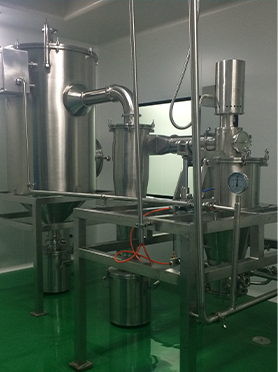
Manufacturing Facilities
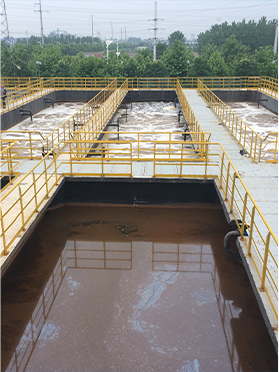
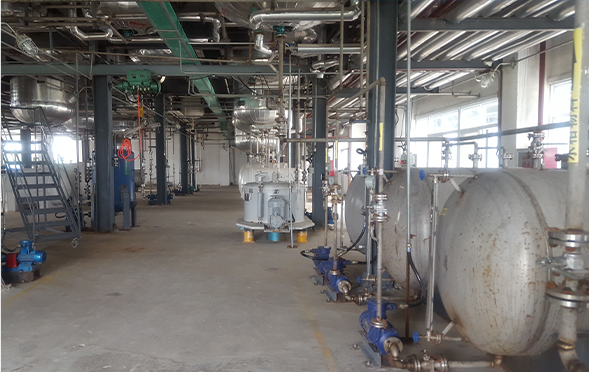
Professional Export Experience
to Global Customers
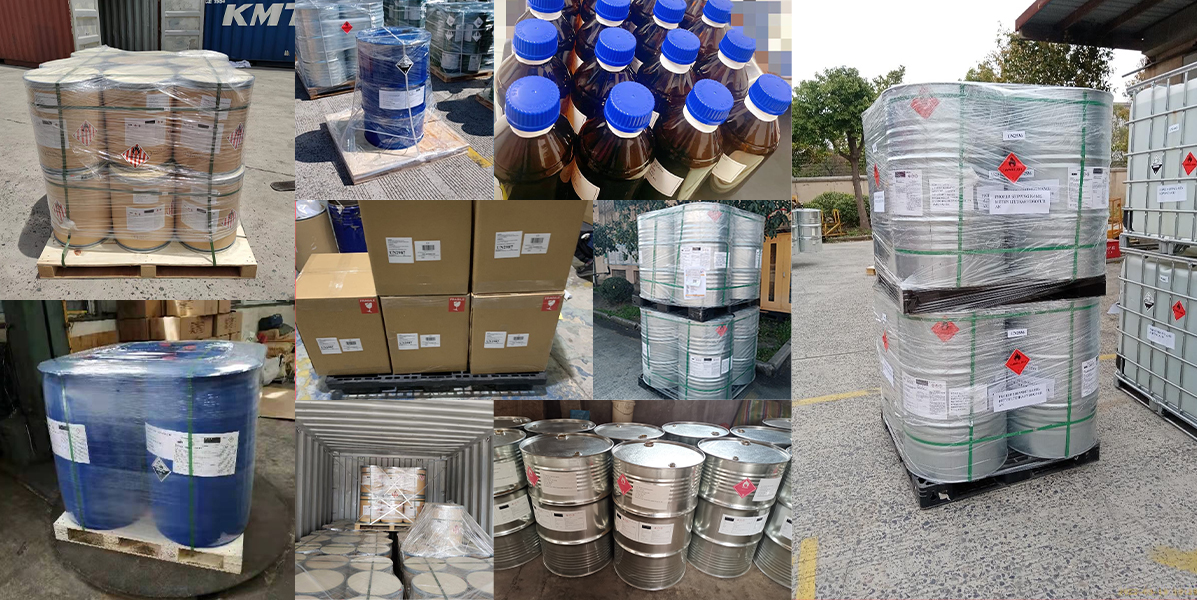
1. 20 years of R&D, manufacturing and sales experience, serving customers in 60 countries and regions around the world;
2. Own R&D laboratory, pilot platform and large-scale production workshop, which can meet the audit requirements of global customers;
3. We can satisfy customers' perfect transition from small scale lab requirements (gram level) to commercialization requirements (hundred tons level).
A: We don't have Minimum Order Quantity, exact quantity should be provided before quotation for us to calculate the exact cost.
A: We don't provide free samples due to lots of request and expensive international courier's cost, we can deduct the sample charge after commercial order placed.
A: Our payment terms: Small or sample order: T/T IN ADVANCE. Commercial order: First order should be by T/T IN ADVANCE or L/C at sight, and following orders T/T 30~90days is acceptable subject to approval of credit application.