
Custom Manufacturing, Project Outsourcing, your Trusted Partner from China
The effectiveness of carvacrol as a natural feed additive for animal health stems from its well-researched antimicrobial mechanisms. As a key component of oregano essential oil, carvacrol is not merely a passive ingredient; it actively engages with bacterial cells to inhibit their growth and viability. Understanding these mechanisms is crucial for appreciating its value in animal nutrition and for developing optimal strategies for its application in feed formulations.
Targeting the Bacterial Cell Membrane: One of the primary ways carvacrol exerts its antibacterial effect is by targeting and disrupting the bacterial cell membrane. The lipophilic nature of carvacrol allows it to integrate into the lipid bilayer of the bacterial membrane. This integration leads to increased membrane permeability, causing vital intracellular components, such as ions and metabolites, to leak out. Furthermore, this disruption can lead to a loss of membrane potential, which is essential for critical cellular processes like energy transduction and nutrient transport. The visual evidence from cryo-scanning electron microscopy in studies shows significant structural damage and shrinkage of bacterial cells when exposed to carvacrol, corroborating this membrane-disrupting action.
Impact on Protein Synthesis and Metabolism: Beyond membrane damage, carvacrol has also been shown to interfere with essential intracellular processes. Proteomic analyses have revealed that carvacrol can significantly impact bacterial protein synthesis. Specifically, it affects pathways related to ribosomes, the cellular machinery responsible for protein production. By disrupting ribosome function or biogenesis, carvacrol can hinder the bacteria's ability to synthesize necessary proteins, thereby inhibiting growth and replication. Additionally, carvacrol has been observed to influence amino acid metabolism, further compromising the bacteria's metabolic functions.
Broader Efficacy and Synergies: The carvacrol mechanism of action is often enhanced by its presence within oregano essential oil, which contains a complex mixture of bioactive compounds, including thymol. These compounds can exhibit synergistic effects, amplifying the overall antimicrobial potency. This makes oregano essential oil a powerful natural agent for controlling a wide range of bacteria, including antibiotic-resistant strains. The detailed insights into the carvacrol mechanism of action against bacteria highlight its potential as a potent and multi-faceted natural alternative in animal feed, supporting healthier livestock without the risks associated with conventional antibiotics.
Manufacturing Facilities
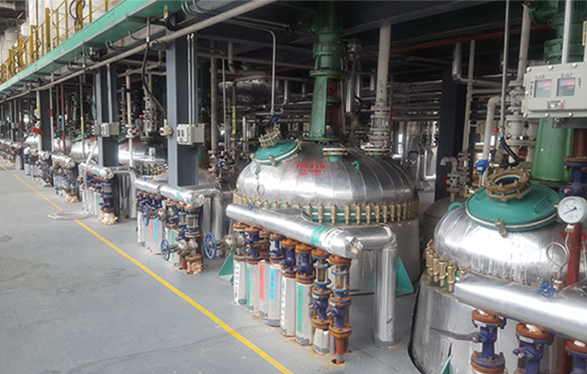


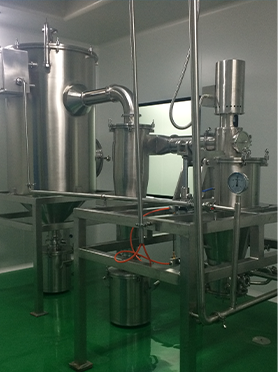


Professional Export Experience
to Global Customers
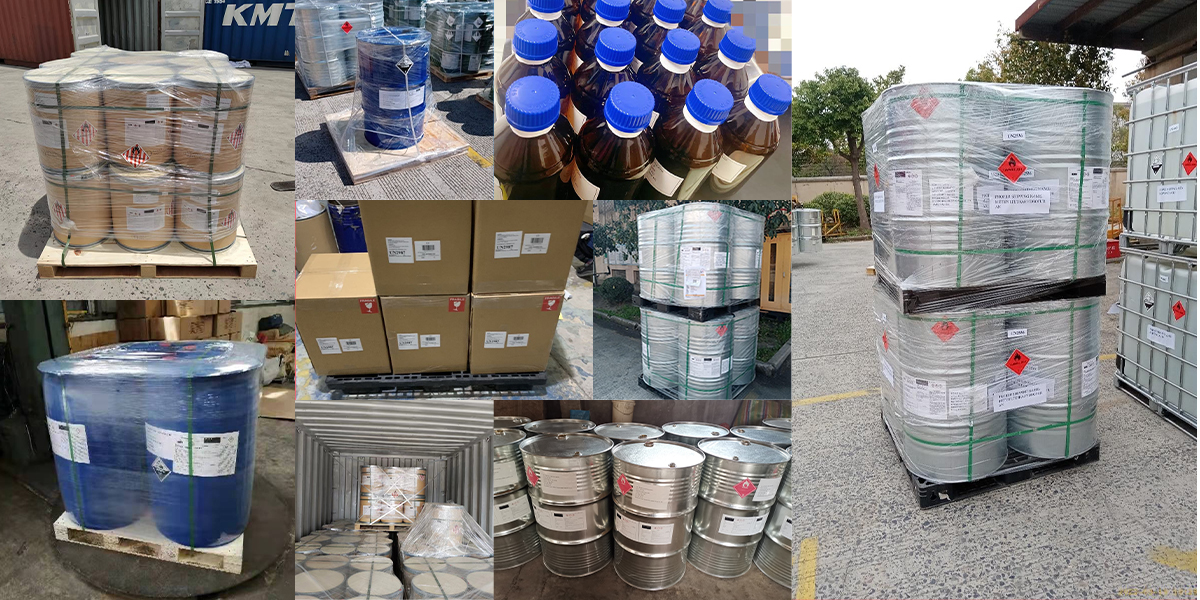
1. 20 years of R&D, manufacturing and sales experience, serving customers in 60 countries and regions around the world;
2. Own R&D laboratory, pilot platform and large-scale production workshop, which can meet the audit requirements of global customers;
3. We can satisfy customers' perfect transition from small scale lab requirements (gram level) to commercialization requirements (hundred tons level).
A: We don't have Minimum Order Quantity, exact quantity should be provided before quotation for us to calculate the exact cost.
A: We don't provide free samples due to lots of request and expensive international courier's cost, we can deduct the sample charge after commercial order placed.
A: Our payment terms: Small or sample order: T/T IN ADVANCE. Commercial order: First order should be by T/T IN ADVANCE or L/C at sight, and following orders T/T 30~90days is acceptable subject to approval of credit application.