
Custom Manufacturing, Project Outsourcing, your Trusted Partner from China
In the specialized world of chemical manufacturing, specific compounds play critical roles in enabling advanced technologies. One such compound, identified by its CAS number 10220-22-1, is 1-(4-Nitrophenyl)pyrrolidine. This organic chemical intermediate is gaining importance, particularly within the electronics industry, due to its utility in the production of photoresist materials. For procurement professionals, R&D scientists, and product formulators, a clear understanding of this compound is essential.
What is 1-(4-Nitrophenyl)pyrrolidine (CAS 10220-22-1)?
1-(4-Nitrophenyl)pyrrolidine is a derivative of pyrrolidine, an organic heterocyclic compound. In this specific molecule, a 4-nitrophenyl group is attached to the nitrogen atom of the pyrrolidine ring. This structural arrangement imparts unique chemical properties that make it valuable as a chemical intermediate. Its molecular formula is C10H12N2O2, and its molecular weight is approximately 192.21 g/mol.
Key Applications in the Electronics Industry
The primary application driving interest in 1-(4-Nitrophenyl)pyrrolidine is its use as a component or precursor in the synthesis of photoresists. Photoresists are light-sensitive materials used in photolithography, a fundamental process in the fabrication of integrated circuits (microchips) and other electronic components. These materials are crucial for precisely transferring circuit designs onto silicon wafers.
The specific chemical characteristics of 1-(4-Nitrophenyl)pyrrolidine can influence several aspects of photoresist performance, including:
As the electronics industry demands ever-finer resolutions and greater device complexity, the need for high-purity, well-characterized chemical intermediates like 1-(4-Nitrophenyl)pyrrolidine becomes increasingly critical.
Sourcing and Procurement Considerations
For businesses looking to source 1-(4-Nitrophenyl)pyrrolidine, understanding the market and procurement process is key.:
1-(4-Nitrophenyl)pyrrolidine (CAS 10220-22-1) represents a vital link in the chain of advanced electronic material production. By understanding its properties and applications, and by engaging with trusted suppliers, companies can leverage this chemical intermediate to drive innovation and maintain a competitive edge in the dynamic electronics market.
Manufacturing Facilities
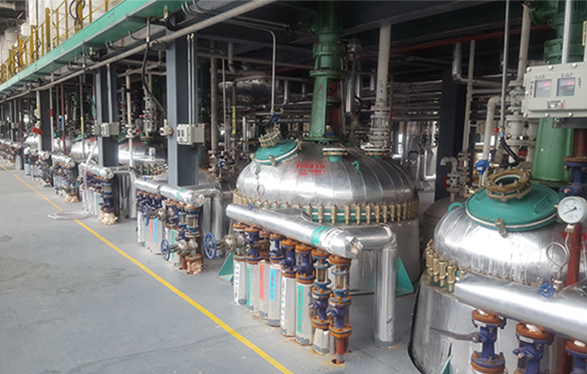
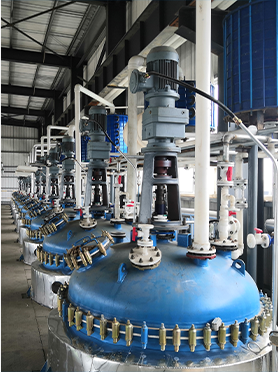
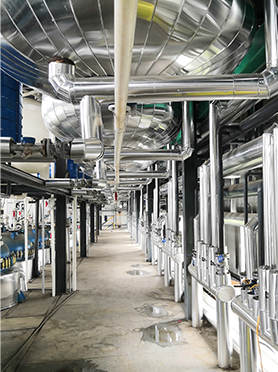
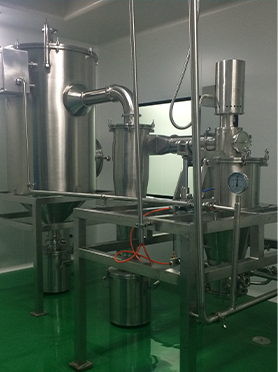
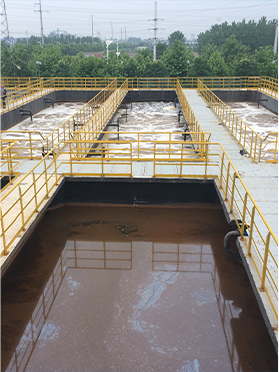
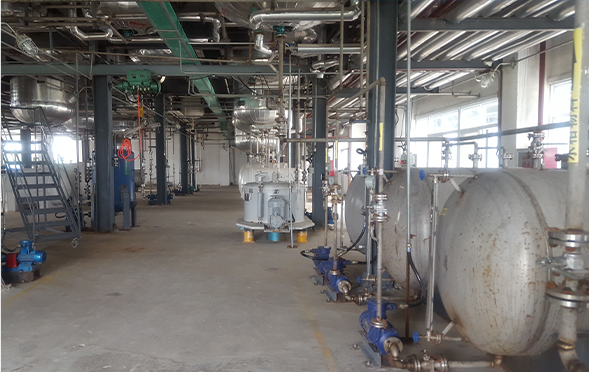
Professional Export Experience
to Global Customers
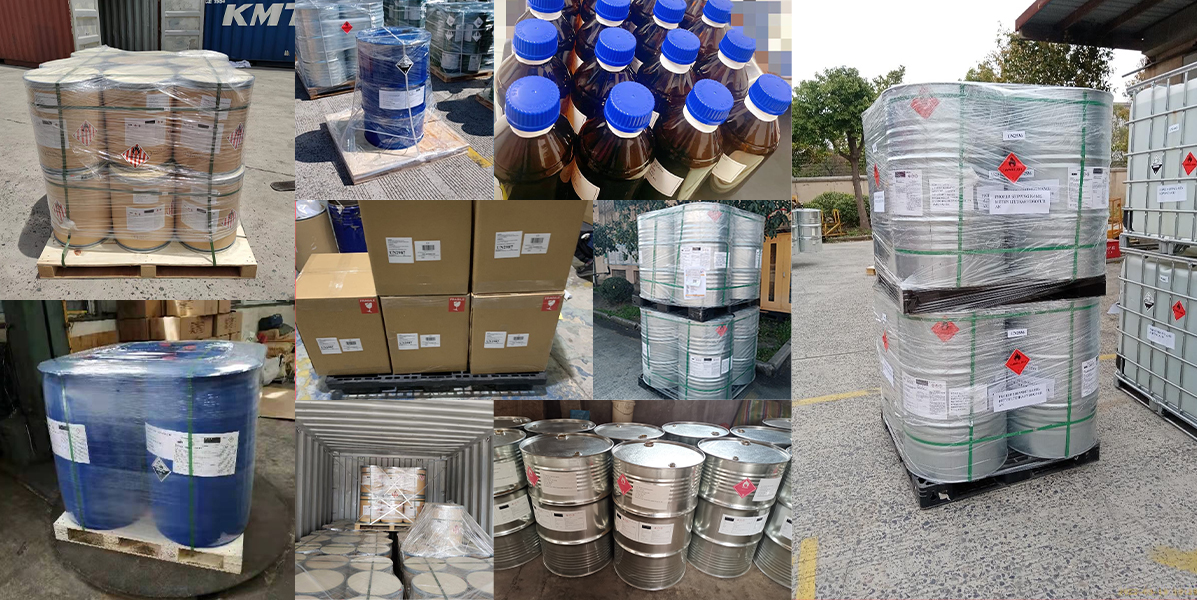
1. 20 years of R&D, manufacturing and sales experience, serving customers in 60 countries and regions around the world;
2. Own R&D laboratory, pilot platform and large-scale production workshop, which can meet the audit requirements of global customers;
3. We can satisfy customers' perfect transition from small scale lab requirements (gram level) to commercialization requirements (hundred tons level).
A: We don't have Minimum Order Quantity, exact quantity should be provided before quotation for us to calculate the exact cost.
A: We don't provide free samples due to lots of request and expensive international courier's cost, we can deduct the sample charge after commercial order placed.
A: Our payment terms: Small or sample order: T/T IN ADVANCE. Commercial order: First order should be by T/T IN ADVANCE or L/C at sight, and following orders T/T 30~90days is acceptable subject to approval of credit application.