
Custom Manufacturing, Project Outsourcing, your Trusted Partner from China
The landscape of Parkinson's disease treatment has been significantly advanced by the development of COMT inhibitors, which work synergistically with levodopa. At the heart of this therapeutic strategy lies a key chemical compound: N,N-diethyl-2-cyano-3-(3,4-dihydroxy-5-nitrophenyl)-2-propenamide, known by its CAS number 130929-57-6. Understanding its chemical properties and mechanism of action is crucial for researchers and formulators.
Chemical Structure and Functionality
N,N-diethyl-2-cyano-3-(3,4-dihydroxy-5-nitrophenyl)-2-propenamide is characterized by its specific molecular structure, featuring a nitrocatechol moiety and an acrylamide derivative. This unique configuration enables it to act as a potent and selective inhibitor of catechol-O-methyltransferase (COMT). COMT is an enzyme responsible for the peripheral metabolism of levodopa, a precursor to dopamine. By inhibiting COMT, particularly in the periphery, this compound prevents the premature breakdown of levodopa into 3-O-methyldopa (3-OMD). This mechanism effectively increases the plasma half-life and bioavailability of levodopa, allowing more of it to reach the brain where it can be converted into dopamine, thus alleviating Parkinson's symptoms.
Key Chemical Properties and Synthesis
The compound typically appears as a yellow crystalline solid. Its synthesis involves chemical reactions such as the base-catalyzed condensation of 3,4-dihydroxy-5-nitrobenzaldehyde with N,N-diethylcyanoacetamide. The successful synthesis and purification to achieve high chemical purity (e.g., >98%) are critical for its use in pharmaceutical formulations. For buyers looking to purchase this chemical, understanding its solubility (e.g., soluble in DMSO), stability, and potential isomers is important. Manufacturers often provide detailed specifications regarding these properties.
From Intermediate to Therapeutic Agent
As a widely recognized pharmaceutical intermediate, CAS 130929-57-6 is a cornerstone for drug manufacturers. Its role in enhancing levodopa's therapeutic window means it is in high demand from research institutions and pharmaceutical companies globally. The ability to source this compound reliably and at a competitive price from established suppliers is key to advancing Parkinson's disease research and treatment.
Conclusion
The chemical precision of N,N-diethyl-2-cyano-3-(3,4-dihydroxy-5-nitrophenyl)-2-propenamide (CAS 130929-57-6) makes it an indispensable component in modern Parkinson's disease pharmacotherapy. For those in the industry seeking to procure this vital intermediate, focusing on its chemical profile and identifying trusted manufacturers and suppliers is paramount. We offer this product with a commitment to quality and availability.
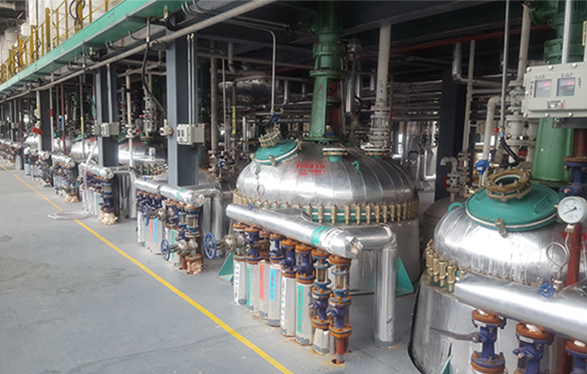
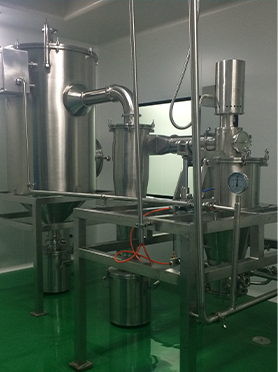
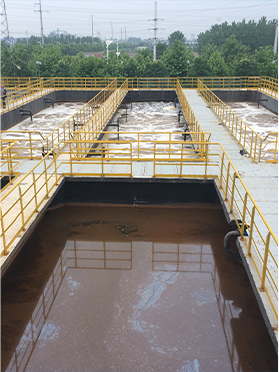
Manufacturing Facilities



Professional Export Experience
to Global Customers
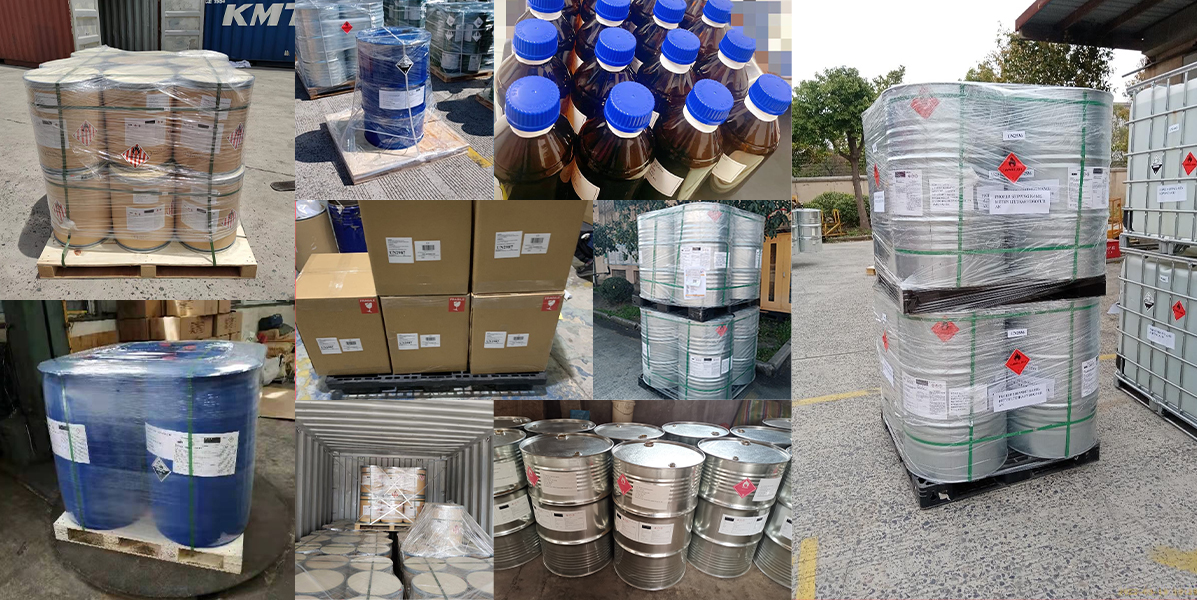
1. 20 years of R&D, manufacturing and sales experience, serving customers in 60 countries and regions around the world;
2. Own R&D laboratory, pilot platform and large-scale production workshop, which can meet the audit requirements of global customers;
3. We can satisfy customers' perfect transition from small scale lab requirements (gram level) to commercialization requirements (hundred tons level).
A: We don't have Minimum Order Quantity, exact quantity should be provided before quotation for us to calculate the exact cost.
A: We don't provide free samples due to lots of request and expensive international courier's cost, we can deduct the sample charge after commercial order placed.
A: Our payment terms: Small or sample order: T/T IN ADVANCE. Commercial order: First order should be by T/T IN ADVANCE or L/C at sight, and following orders T/T 30~90days is acceptable subject to approval of credit application.