
Custom Manufacturing, Project Outsourcing, your Trusted Partner from China
The advancement of catalytic methods has revolutionized organic synthesis, enabling more efficient, selective, and sustainable chemical transformations. Within the vast landscape of catalytic ligands, phosphorus-based compounds, particularly phosphines and phosphoramidites, have carved out significant niches. Tert-Butyl tetraisopropylphosphorodiamidite (CAS 137348-88-0), while known for its role in oligonucleotide synthesis, also possesses intriguing potential as a ligand in metal-catalyzed reactions, particularly palladium-catalyzed aminations.
The Role of Ligands in Catalysis
Catalytic ligands are molecules that bind to a central metal atom, influencing its electronic and steric environment. This influence dictates the catalyst’s activity, selectivity, and stability. For palladium-catalyzed cross-coupling reactions, such as the Buchwald-Hartwig amination (a crucial reaction for forming carbon-nitrogen bonds), the choice of ligand is paramount. Efficient ligands can enable reactions with challenging substrates, lower catalyst loadings, and milder reaction conditions.
Tert-Butyl tetraisopropylphosphorodiamidite as a Ligand
Research has demonstrated that tert-Butyl tetraisopropylphosphorodiamidite can function as an effective ligand, particularly in palladium-catalyzed amination reactions involving aryl and heteroaryl halides. The compound's structure, featuring bulky isopropyl groups and a tert-butoxy substituent on the phosphorus atom, provides a unique steric profile. This bulk can influence the coordination sphere around the palladium center, promoting reductive elimination and enhancing catalytic turnover. Furthermore, the phosphoramidite moiety offers specific electronic properties that can fine-tune the catalyst's performance.
Key advantages observed in its application as a ligand include:
Implications for the Chemical Industry
The ability of tert-Butyl tetraisopropylphosphorodiamidite to act as an effective, air-stable ligand opens up new avenues for developing more efficient and practical catalytic processes. For companies involved in the synthesis of amines, which are ubiquitous in pharmaceuticals, agrochemicals, and materials science, adopting such catalytic systems can lead to significant improvements in yield, cost-effectiveness, and sustainability. When you buy this compound for catalytic applications, consider partnering with a trusted supplier in China or globally renowned chemical providers known for their commitment to quality and innovation. Exploring its potential as a catalytic ligand is a worthwhile endeavor for any forward-thinking synthesis chemist.
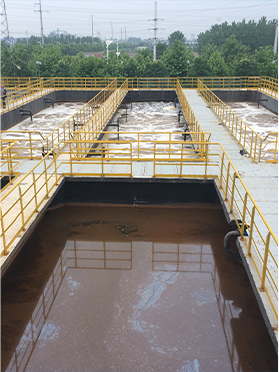
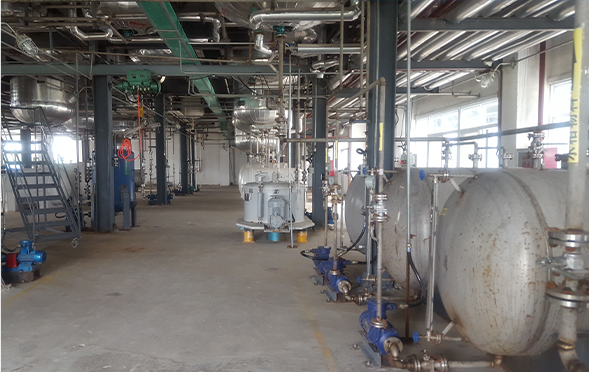
Manufacturing Facilities
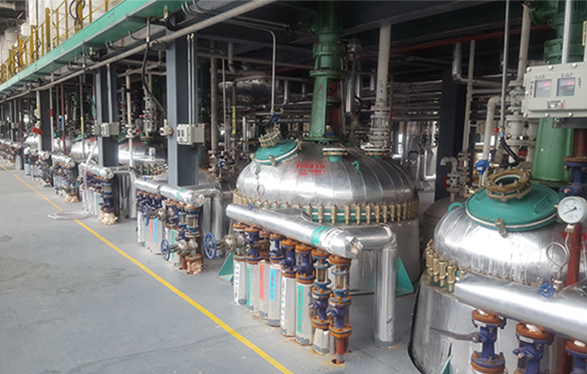
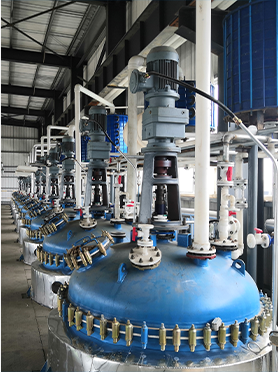
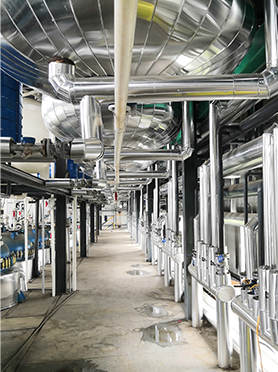
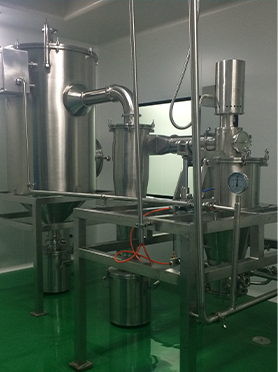
Professional Export Experience
to Global Customers
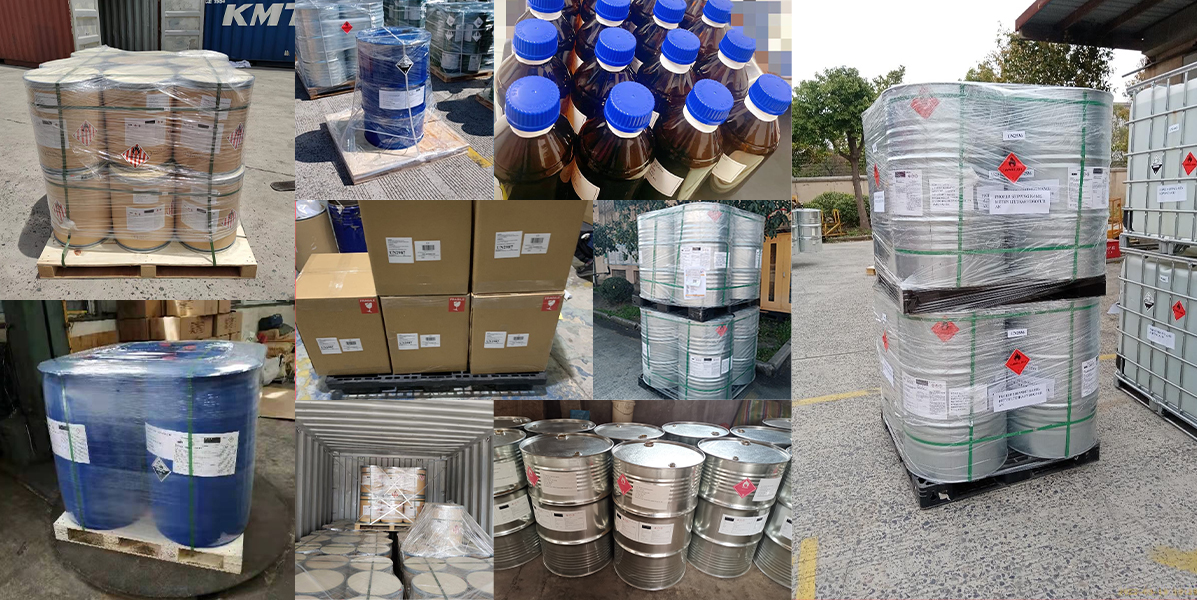
1. 20 years of R&D, manufacturing and sales experience, serving customers in 60 countries and regions around the world;
2. Own R&D laboratory, pilot platform and large-scale production workshop, which can meet the audit requirements of global customers;
3. We can satisfy customers' perfect transition from small scale lab requirements (gram level) to commercialization requirements (hundred tons level).
A: We don't have Minimum Order Quantity, exact quantity should be provided before quotation for us to calculate the exact cost.
A: We don't provide free samples due to lots of request and expensive international courier's cost, we can deduct the sample charge after commercial order placed.
A: Our payment terms: Small or sample order: T/T IN ADVANCE. Commercial order: First order should be by T/T IN ADVANCE or L/C at sight, and following orders T/T 30~90days is acceptable subject to approval of credit application.