
Custom Manufacturing, Project Outsourcing, your Trusted Partner from China
In the competitive landscape of rubber product manufacturing, particularly in the automotive sector, precise quality control of raw materials and finished products is non-negotiable. For components like tire curing bladders, the accurate quantification of key ingredients, such as phenol-formaldehyde (PF) curing resins, is vital for ensuring optimal performance and process stability. As a supplier of specialized industrial chemicals, we appreciate the importance of advanced analytical methods for validating material composition.
The role of PF curing resins as accelerators and cross-linking agents in rubber formulations is well-established. They impart crucial properties like heat resistance and mechanical strength. However, ensuring the correct dosage and uniform dispersion of these resins within a complex rubber blend can be challenging. Issues such as stickiness during mixing or variations in raw material batches can lead to inconsistencies. Therefore, manufacturers often need reliable analytical techniques to verify the presence and amount of PF resin in their compounds. Purchasing from a supplier that understands these analytical needs and provides high-purity, well-characterized resins is paramount.
Advanced analytical techniques such as Pyrolysis-Gas Chromatography-Mass Spectrometry (Py-GC/MS) and Thermogravimetric Analysis coupled with Infrared Spectroscopy (TG-IR) offer powerful solutions for characterizing rubber blends. Py-GC/MS can identify and quantify specific components by thermally degrading the sample and analyzing the resulting fragments. For PF resins, characteristic pyrolysis products like p-tert-octylphenol and its derivatives can be detected and quantified. This method is invaluable for determining the precise concentration of the curing resin in a blend, helping to identify potential formulation errors or variations from the supplier.
Thermogravimetric analysis (TGA) provides insights into the thermal decomposition profile of the rubber blend, revealing distinct weight loss steps corresponding to different components. When combined with Infrared (IR) spectroscopy, it allows for the identification of the chemical species responsible for these weight losses, further confirming the presence of aromatic compounds characteristic of PF resins. These combined techniques are instrumental in quality control, enabling manufacturers to confirm that the materials they buy and use meet exact specifications. For manufacturers seeking to buy phenol-formaldehyde curing resin, understanding these analytical capabilities reinforces the importance of sourcing from reliable chemical manufacturers.
By employing these sophisticated analytical methods, manufacturers can gain confidence in their raw material inputs, optimize their compounding processes, and ultimately ensure the superior quality and performance of their final rubber products. We, as a chemical manufacturer and supplier, are committed to supporting our clients in these critical quality assurance endeavors.
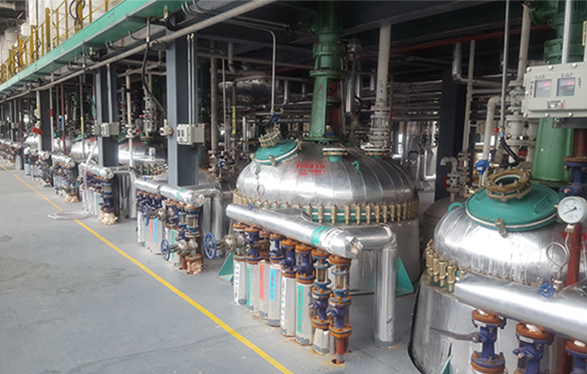
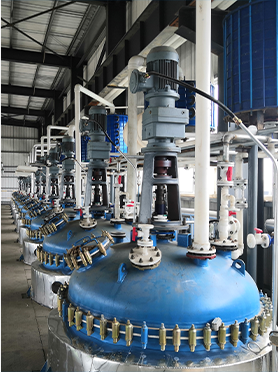
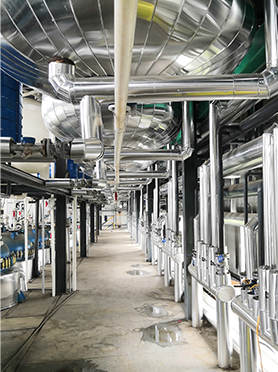
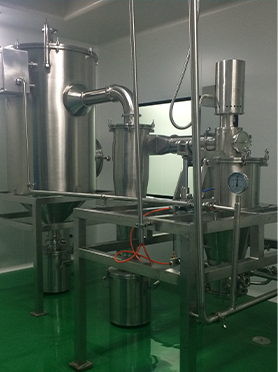
Manufacturing Facilities
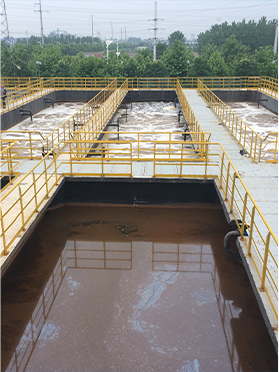
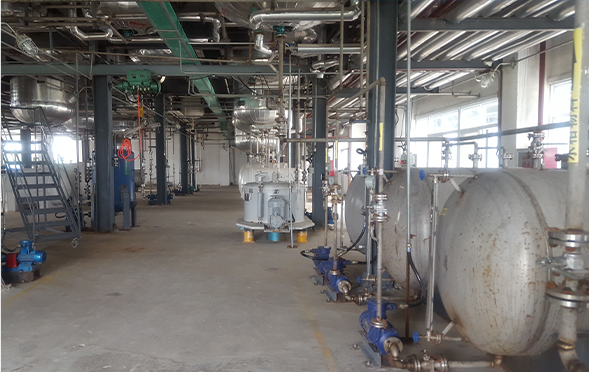
Professional Export Experience
to Global Customers
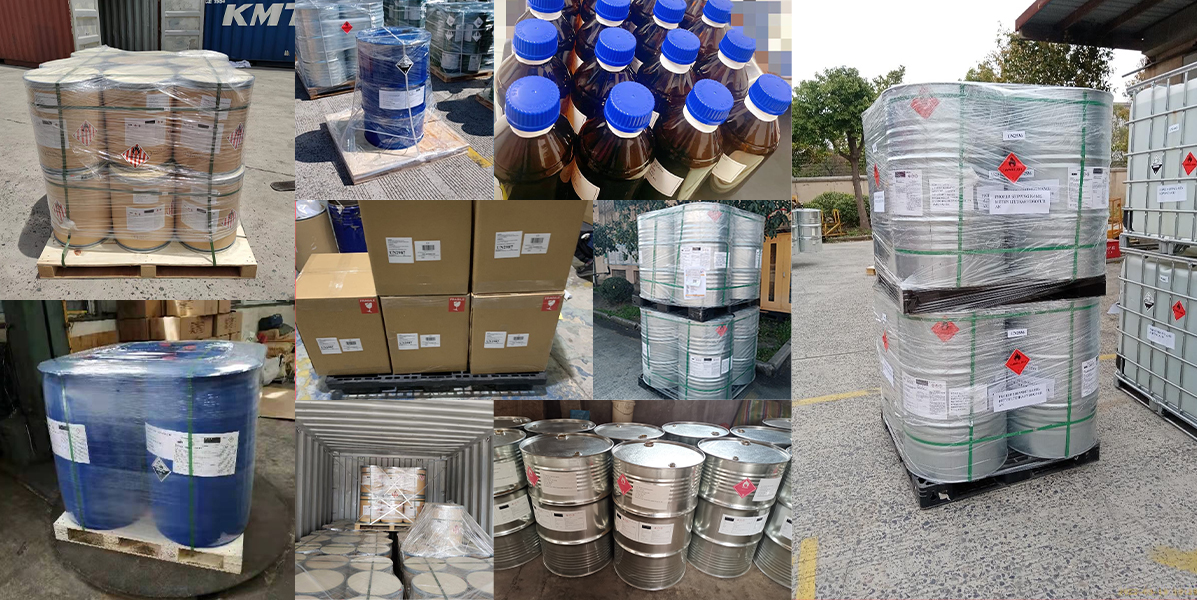
1. 20 years of R&D, manufacturing and sales experience, serving customers in 60 countries and regions around the world;
2. Own R&D laboratory, pilot platform and large-scale production workshop, which can meet the audit requirements of global customers;
3. We can satisfy customers' perfect transition from small scale lab requirements (gram level) to commercialization requirements (hundred tons level).
A: We don't have Minimum Order Quantity, exact quantity should be provided before quotation for us to calculate the exact cost.
A: We don't provide free samples due to lots of request and expensive international courier's cost, we can deduct the sample charge after commercial order placed.
A: Our payment terms: Small or sample order: T/T IN ADVANCE. Commercial order: First order should be by T/T IN ADVANCE or L/C at sight, and following orders T/T 30~90days is acceptable subject to approval of credit application.