
Custom Manufacturing, Project Outsourcing, your Trusted Partner from China
The performance of many chemical formulations hinges on meticulous control over their physical properties, and foam generation can be a significant detriment. Whether in the production of detergents, the application of coatings, or the synthesis of fine chemicals, unwanted foam can degrade product quality, complicate manufacturing processes, and affect user experience. For formulators and product development scientists, incorporating effective foam control agents like polyether defoamers is often a critical step.
Polyether defoamers, recognized for their efficacy and versatility, play a vital role in stabilizing a wide range of chemical products. Their ability to rapidly reduce surface tension at the air-liquid interface of foam bubbles allows them to disrupt and collapse foam structures efficiently. Unlike some alternatives, many polyether-based defoamers are designed to be easily incorporated into aqueous or solvent-based systems without compromising the overall formulation properties, such as viscosity, film formation, or color stability. This makes them particularly valuable when formulating products where clarity, surface finish, or application ease is paramount.
Consider the application in industrial cleaning agents. Foam is often desirable in consumer detergents for visual cues, but in industrial cleaning, excessive foam can hinder the effectiveness of the cleaning process, reduce the concentration of active ingredients delivered to the surface, and cause operational issues in spray or immersion cleaning systems. A well-chosen polyether defoamer can provide targeted foam control, ensuring the cleaning agent performs optimally without creating processing difficulties. Procurement managers seeking such agents often look for suppliers offering products with excellent dispersibility and long-lasting foam inhibition.
In the coatings and paints industry, foam can lead to defects such as pinholes, craters, and uneven film thickness, impacting the aesthetic and protective qualities of the final product. Polyether defoamers are used during manufacturing (e.g., grinding, mixing) and sometimes during application to ensure a smooth, defect-free finish. Formulators value defoamers that do not negatively affect the rheology or adhesion properties of the coating.
For R&D scientists and product developers, understanding the chemistry and performance characteristics of different defoamer types is crucial. Polyether defoamers, with their non-silicon nature and strong performance in aqueous systems, are often preferred. When sourcing these materials, identifying reliable manufacturers that can supply consistent quality at a competitive price is key. Many companies now offer specialized polyether defoamers suitable for specific formulation challenges, ensuring that product developers can find the precise solution needed to enhance their chemical products’ performance and market appeal.
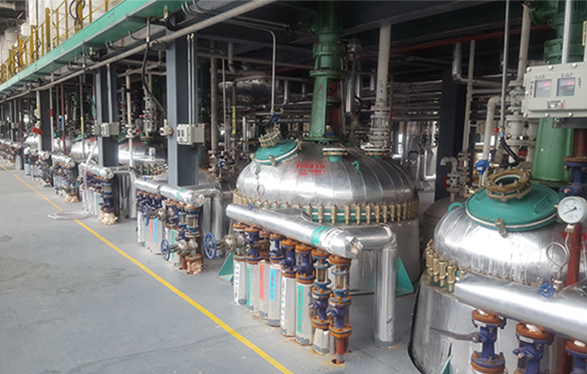
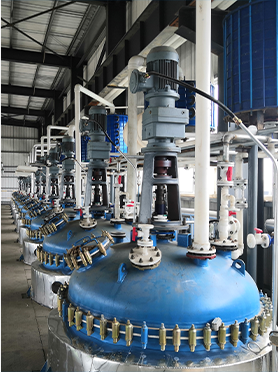
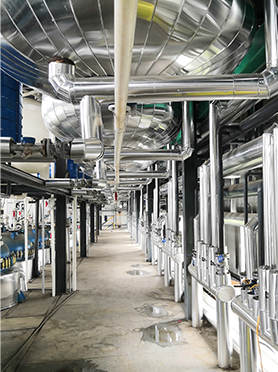
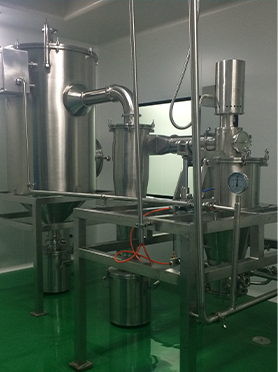
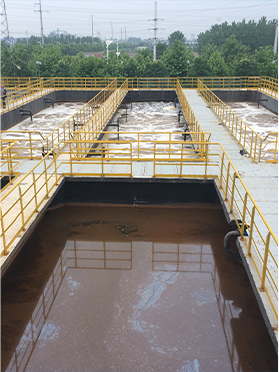
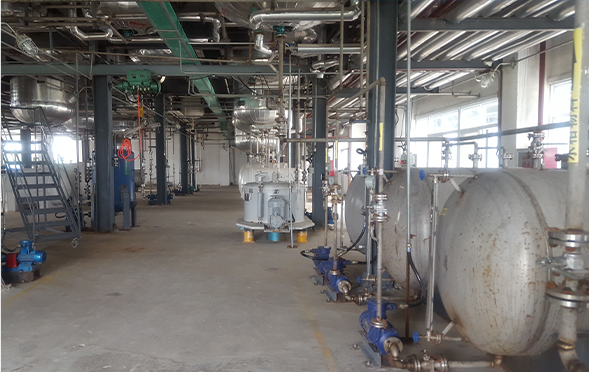
Manufacturing Facilities
Professional Export Experience
to Global Customers
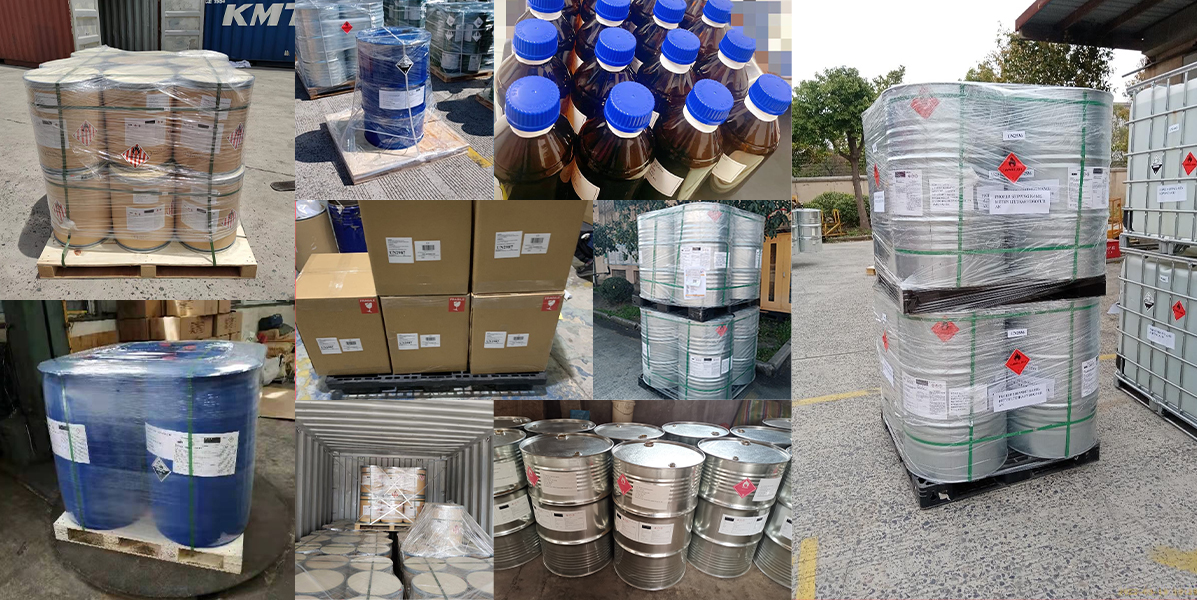
1. 20 years of R&D, manufacturing and sales experience, serving customers in 60 countries and regions around the world;
2. Own R&D laboratory, pilot platform and large-scale production workshop, which can meet the audit requirements of global customers;
3. We can satisfy customers' perfect transition from small scale lab requirements (gram level) to commercialization requirements (hundred tons level).
A: We don't have Minimum Order Quantity, exact quantity should be provided before quotation for us to calculate the exact cost.
A: We don't provide free samples due to lots of request and expensive international courier's cost, we can deduct the sample charge after commercial order placed.
A: Our payment terms: Small or sample order: T/T IN ADVANCE. Commercial order: First order should be by T/T IN ADVANCE or L/C at sight, and following orders T/T 30~90days is acceptable subject to approval of credit application.