
Custom Manufacturing, Project Outsourcing, your Trusted Partner from China
In the intricate world of chemical manufacturing, particularly for high-technology sectors like organic electronics, chemical intermediates form the foundational building blocks for advanced materials. These compounds are not end products themselves but are essential precursors in multi-step synthetic processes. Understanding the role and specifications of key intermediates is crucial for researchers, product developers, and procurement specialists alike.
One such vital intermediate gaining prominence, especially in the field of Organic Light-Emitting Diodes (OLEDs), Organic Photovoltaics (OPVs), and Organic Field-Effect Transistors (OFETs), is Ethyl 4'-hydroxybiphenyl-4-carboxylate. Identified by its CAS number 50670-76-3, this molecule is a derivative of biphenyl, featuring a hydroxyl (-OH) group and an ethyl carboxylate (-COOCH2CH3) group. These functional groups impart specific reactivity and structural characteristics that make it highly valuable in organic synthesis.
The molecular structure of Ethyl 4'-hydroxybiphenyl-4-carboxylate (C15H14O3) provides a rigid biphenyl core, which is known to promote desirable electronic properties like charge transport in conjugated organic materials. The hydroxyl group acts as a reactive site for various chemical transformations, such as etherification or esterification, allowing chemists to attach other molecular fragments or side chains. The ethyl carboxylate group can also be manipulated or serve as a point of connection for building larger, more complex molecules essential for active layers in electronic devices.
For professionals looking to buy this intermediate, understanding its key specifications is paramount. A typical requirement is high purity, often 97% minimum, to ensure the integrity and performance of the final electronic materials. Other important parameters include its molecular weight (242.27 g/mol), melting point (typically 142-144℃ with decomposition), boiling point (392℃ at 760 mmHg), and density (1.167g/cm3). These details help in planning synthetic routes and processing conditions.
Sourcing chemical intermediates like Ethyl 4'-hydroxybiphenyl-4-carboxylate often involves engaging with specialized chemical manufacturers. Many leading suppliers are located in China, offering competitive pricing and a broad spectrum of electronic-grade chemicals. When considering a purchase, it’s recommended to obtain quotes from multiple manufacturers, request product samples for quality verification, and review their technical data sheets thoroughly. This diligence ensures you receive a material that meets your exact application needs and contributes to the successful development of your electronic products.
In essence, chemical intermediates are the unsung heroes of advanced material science. Ethyl 4'-hydroxybiphenyl-4-carboxylate exemplifies this, providing a versatile and high-quality foundation for innovations in organic electronics. By understanding these materials and partnering with reliable suppliers, industries can continue to push the boundaries of what's possible.
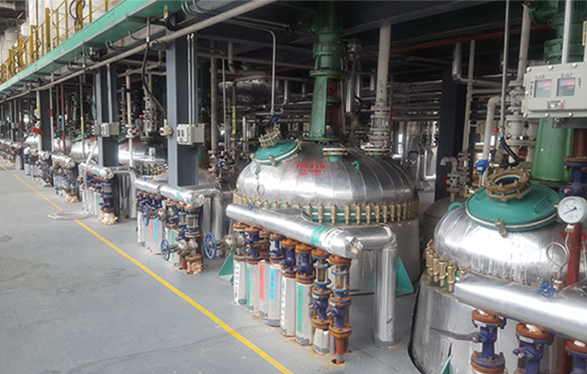
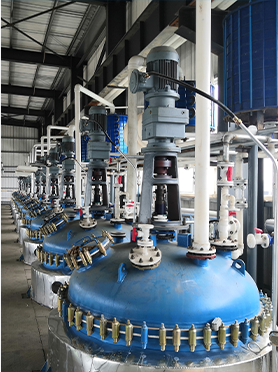
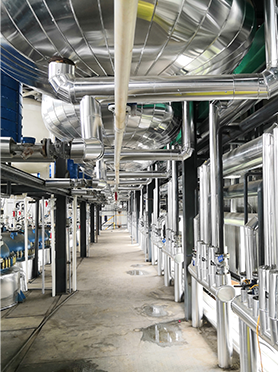
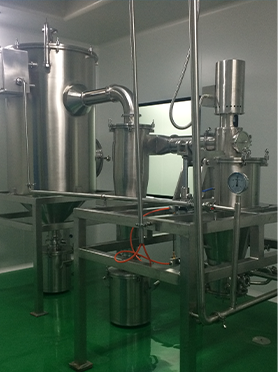
Manufacturing Facilities
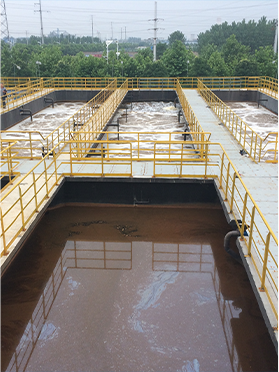
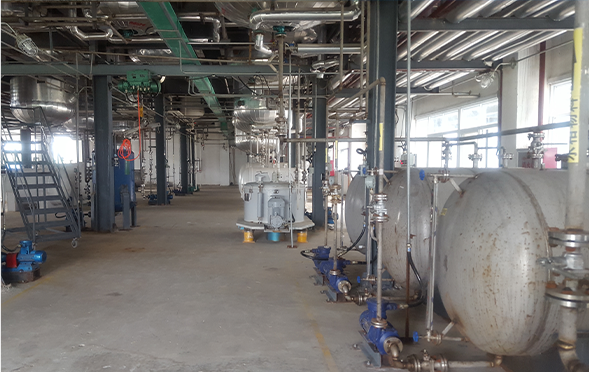
Professional Export Experience
to Global Customers
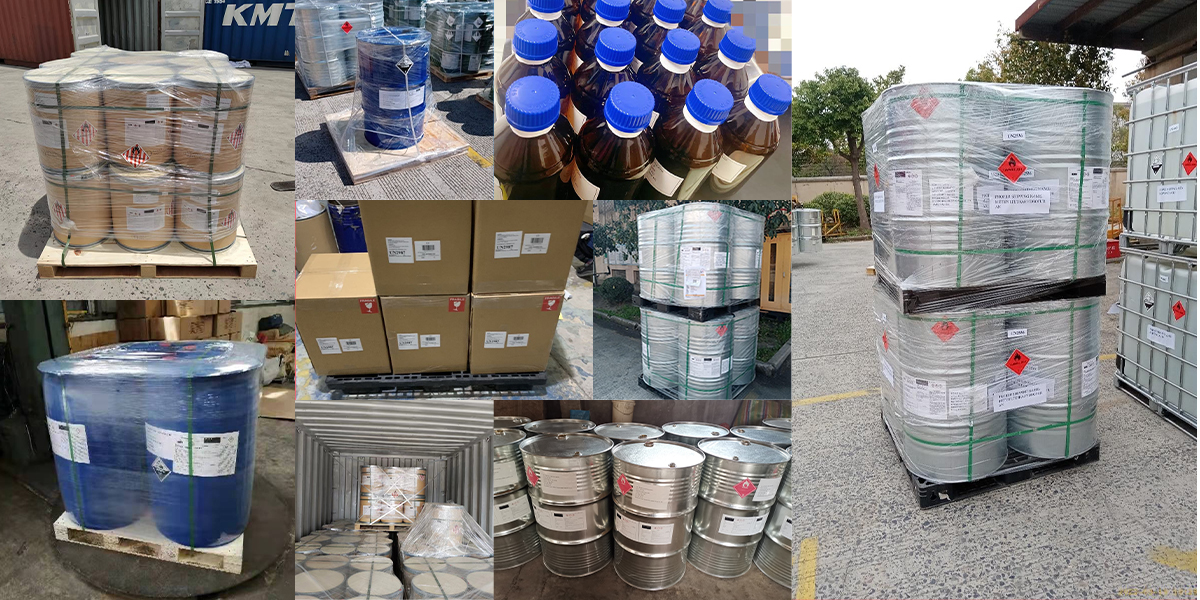
1. 20 years of R&D, manufacturing and sales experience, serving customers in 60 countries and regions around the world;
2. Own R&D laboratory, pilot platform and large-scale production workshop, which can meet the audit requirements of global customers;
3. We can satisfy customers' perfect transition from small scale lab requirements (gram level) to commercialization requirements (hundred tons level).
A: We don't have Minimum Order Quantity, exact quantity should be provided before quotation for us to calculate the exact cost.
A: We don't provide free samples due to lots of request and expensive international courier's cost, we can deduct the sample charge after commercial order placed.
A: Our payment terms: Small or sample order: T/T IN ADVANCE. Commercial order: First order should be by T/T IN ADVANCE or L/C at sight, and following orders T/T 30~90days is acceptable subject to approval of credit application.