
Custom Manufacturing, Project Outsourcing, your Trusted Partner from China
For chemical engineers, R&D scientists, and procurement managers, a deep understanding of a compound's chemical properties is foundational to its successful application. 3-Amino-3-phenylpropionic Acid (CAS 614-19-7), a compound often sought for its role as a versatile intermediate, possesses a unique set of characteristics stemming from its molecular structure. This white crystalline powder, with the molecular formula C9H11NO2, offers a fascinating blend of reactivity and stability, making it valuable across various chemical disciplines. Knowing these properties helps buyers make informed decisions when purchasing this key chemical.
Molecular Structure and Reactivity Profile
At its core, 3-Amino-3-phenylpropionic Acid is a beta-amino acid derivative. This means the amino group (-NH2) is attached to the beta-carbon atom, which is two carbons away from the carboxyl group (-COOH). The presence of a phenyl ring (C6H5) attached to the same beta-carbon atom as the amino group introduces aromaticity and steric bulk. This unique arrangement results in several key reactive features:
Physical Properties: Handling and Storage
The physical properties of 3-Amino-3-phenylpropionic Acid also dictate its handling and storage requirements. Typically appearing as a white to off-white crystalline powder, it has a relatively high melting point, often around 222°C with decomposition, indicating good thermal stability under normal conditions. Its solubility characteristics are also important; it is often described as soluble in hot water and alcohols but less so in cold water or ethers. This solubility profile can influence reaction solvent choices and purification methods. Manufacturers typically recommend storing it in a cool, dark place, under an inert atmosphere if possible, to maintain its integrity and prevent degradation over time.
Applications Driven by Chemical Properties
These chemical properties directly translate into its utility. As an intermediate, its ability to undergo specific reactions allows chemists to build more complex molecules. For instance, its role in synthesizing platelet aggregation inhibitors or GnRH receptor antagonists relies on precise chemical transformations involving its amino and carboxyl groups. In material science, its potential for polymerization and modification leverages its reactive functional groups to create specialized polymers and biomaterials with desired properties.
For any buyer, understanding these chemical properties allows for better communication with suppliers and a more informed selection process. Whether you are purchasing for research, pilot-scale synthesis, or full-scale manufacturing, knowing the chemical behavior of 3-Amino-3-phenylpropionic Acid is key to successful outcomes. We, as a dedicated chemical manufacturer, ensure that our products meet the purity and reactivity standards required by demanding applications.
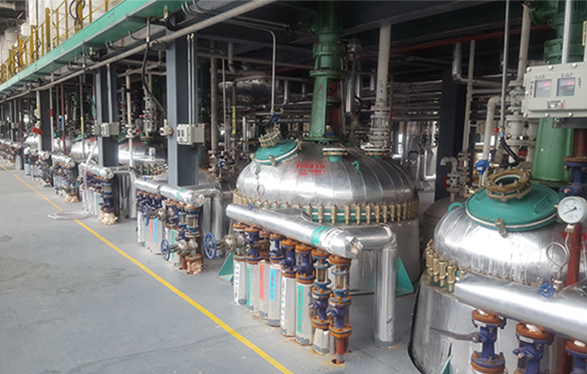
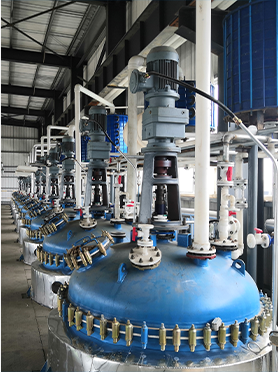
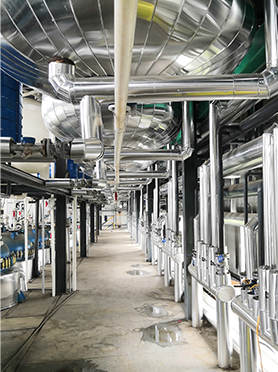
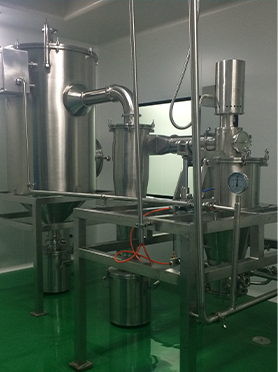
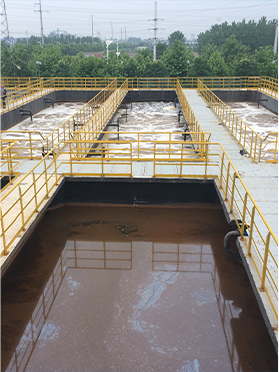
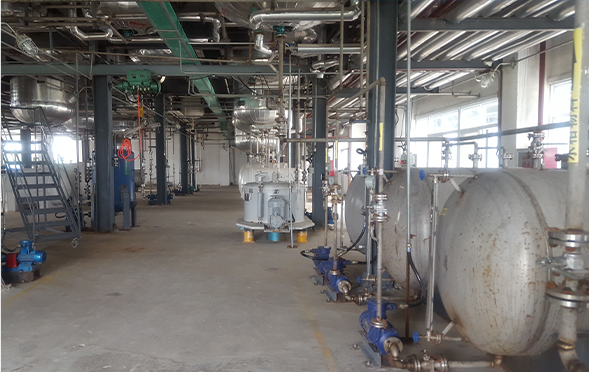
Manufacturing Facilities
Professional Export Experience
to Global Customers
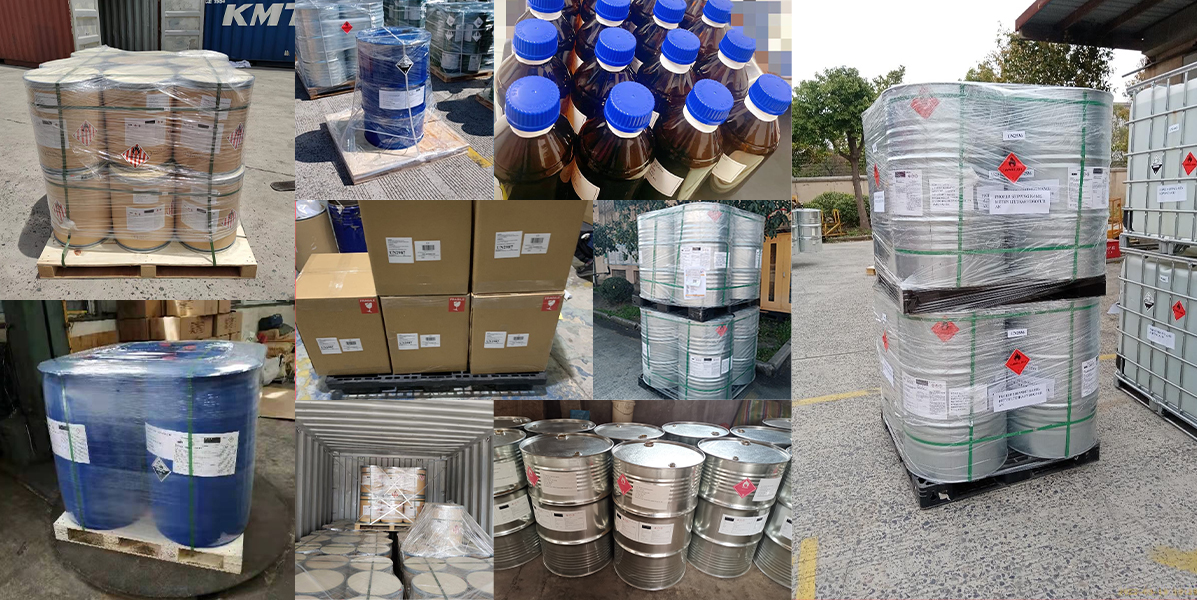
1. 20 years of R&D, manufacturing and sales experience, serving customers in 60 countries and regions around the world;
2. Own R&D laboratory, pilot platform and large-scale production workshop, which can meet the audit requirements of global customers;
3. We can satisfy customers' perfect transition from small scale lab requirements (gram level) to commercialization requirements (hundred tons level).
A: We don't have Minimum Order Quantity, exact quantity should be provided before quotation for us to calculate the exact cost.
A: We don't provide free samples due to lots of request and expensive international courier's cost, we can deduct the sample charge after commercial order placed.
A: Our payment terms: Small or sample order: T/T IN ADVANCE. Commercial order: First order should be by T/T IN ADVANCE or L/C at sight, and following orders T/T 30~90days is acceptable subject to approval of credit application.