
Custom Manufacturing, Project Outsourcing, your Trusted Partner from China
Lily Aldehyde, also known by its CAS number 80-54-6, is a synthetic aromatic aldehyde that plays a significant role in the fragrance and flavor industries. Its chemical structure and properties contribute to its characteristic scent and wide range of applications. For B2B users, such as R&D scientists and product formulators, a thorough understanding of its chemistry is paramount for successful integration into product lines.
Chemically, Lily Aldehyde is defined as 3-(4-tert-Butylphenyl)-2-methylpropanal. It typically presents as a colorless to pale yellow liquid. Its molecular weight is approximately 204.31 g/mol, and its molecular formula is C14H20O. The compound is known for its excellent stability, particularly when compared to similar aldehydes, which enhances its utility in various product formulations, including soaps and detergents where stability under alkaline conditions is important. Its odor profile is described as floral, sweet, aldehydic, clean, and powdery, strongly reminiscent of lily of the valley.
The synthesis of Lily Aldehyde commonly involves aldol condensation reactions, often starting from readily available precursors like 4-tert-butylbenzaldehyde and propionaldehyde, followed by hydrogenation. This industrial production ensures a consistent and scalable supply, making it an accessible ingredient for manufacturers worldwide. The ability to produce this compound reliably is a key factor for its widespread adoption in consumer goods.
The primary use of Lily Aldehyde is as a fragrance agent. Its pleasant and lasting scent makes it a valuable component in fine perfumery, as well as in a vast array of personal care products like lotions, shampoos, and deodorants. It also finds application in household products such as air fresheners and detergents, where it contributes to a sense of cleanliness and freshness. Its effectiveness at low concentrations and its compatibility with other fragrance materials make it a versatile tool for perfumers and formulators.
For companies looking to procure Lily Aldehyde, understanding these chemical properties and synthesis routes highlights the importance of sourcing from reputable manufacturers who adhere to stringent quality standards. Ensuring the purity and correct isomeric composition of the aldehyde is crucial for achieving the desired olfactory outcome and meeting regulatory requirements. As a key ingredient for creating appealing scents, Lily Aldehyde continues to be a vital chemical for many industries.
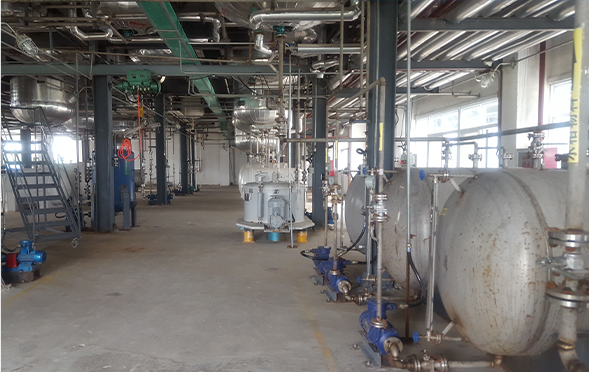
Manufacturing Facilities
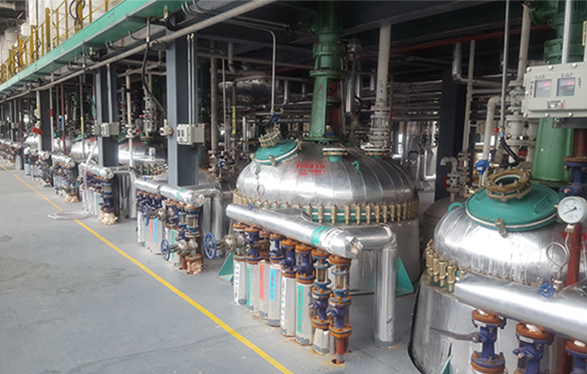
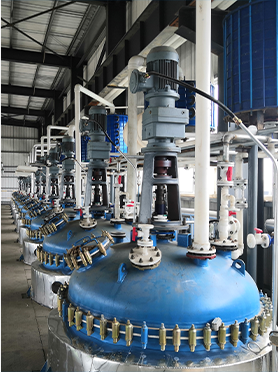

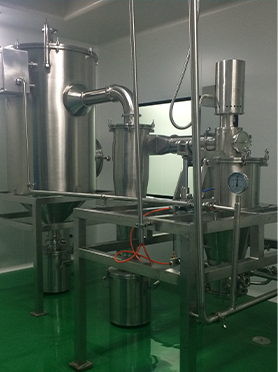
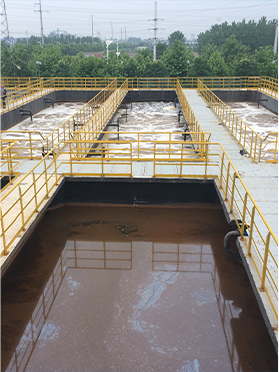
Professional Export Experience
to Global Customers
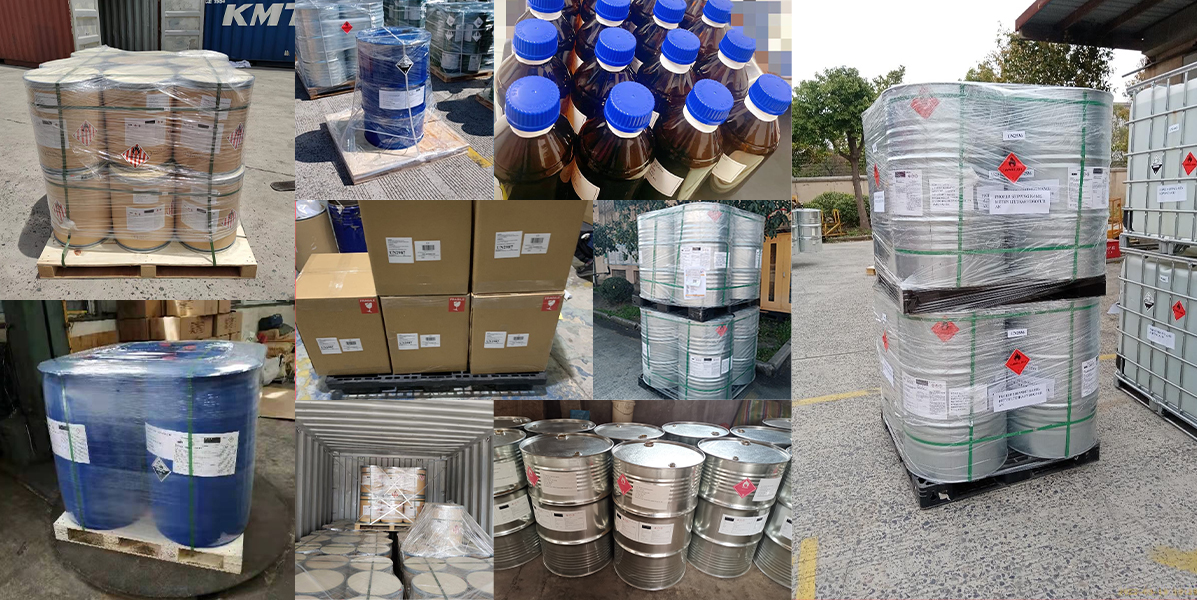
1. 20 years of R&D, manufacturing and sales experience, serving customers in 60 countries and regions around the world;
2. Own R&D laboratory, pilot platform and large-scale production workshop, which can meet the audit requirements of global customers;
3. We can satisfy customers' perfect transition from small scale lab requirements (gram level) to commercialization requirements (hundred tons level).
A: We don't have Minimum Order Quantity, exact quantity should be provided before quotation for us to calculate the exact cost.
A: We don't provide free samples due to lots of request and expensive international courier's cost, we can deduct the sample charge after commercial order placed.
A: Our payment terms: Small or sample order: T/T IN ADVANCE. Commercial order: First order should be by T/T IN ADVANCE or L/C at sight, and following orders T/T 30~90days is acceptable subject to approval of credit application.