
Custom Manufacturing, Project Outsourcing, your Trusted Partner from China
4-Bromo-3-chloro-2-fluoroaniline, identified by CAS number 115843-99-7, is a complex halogenated aromatic amine that plays a significant role as an intermediate in various chemical syntheses. Its utility is derived from its specific molecular structure and the resulting chemical properties, which allow for diverse transformations in organic chemistry. Understanding these properties and the methods for its synthesis is crucial for researchers and industrial chemists who rely on this compound.
The molecular formula of 4-Bromo-3-chloro-2-fluoroaniline is C₆H₄BrClFN, with a molecular weight of approximately 224.46 g/mol. Physically, it typically presents as a light brown to brown solid, with a melting point in the range of 51-53°C. Its density is around 1.8 g/cm³, and it possesses a boiling point of approximately 262.7°C at 760 mmHg, although it's often handled as a solid under standard laboratory conditions. The presence of multiple halogen atoms (bromine, chlorine, and fluorine) significantly impacts its electronic distribution and overall reactivity.
The chemical reactivity of 4-Bromo-3-chloro-2-fluoroaniline is largely dictated by the electron-withdrawing effects of its halogen substituents. These halogens decrease the electron density on the aromatic ring, making it less prone to electrophilic aromatic substitution compared to unsubstituted aniline. However, they can activate the ring towards nucleophilic aromatic substitution under specific conditions, particularly at positions ortho or para to activating groups. The amine group, being an electron-donating group, also influences the ring's reactivity, albeit tempered by the halogens.
Key reactions that 4-Bromo-3-chloro-2-fluoroaniline can undergo include:
The synthesis of 4-Bromo-3-chloro-2-fluoroaniline typically begins with simpler halogenated anilines or related precursors. A common approach involves the sequential halogenation of a suitable starting material. For example, one might start with 3-chloro-2-fluoroaniline and then introduce the bromine atom at the para position (position 4) using brominating agents like N-bromosuccinimide (NBS) or elemental bromine under controlled conditions. Regioselectivity is a critical aspect of these syntheses, often controlled by reaction temperature, solvent choice, and the presence of catalysts. Optimizing these parameters is essential for achieving high yields and purity, often reported to be 99.0% or more.
For industrial-scale production, the synthesis would be optimized for efficiency and cost-effectiveness. This might involve using continuous flow reactors and automated systems to ensure consistent quality and yield. For researchers looking to buy this compound, it's important to source from a reliable manufacturer that specializes in fine chemical synthesis and can provide documented purity and consistent product characteristics. When seeking a supplier, one should inquire about the specific synthetic methods used and the quality control measures employed.
In summary, 4-Bromo-3-chloro-2-fluoroaniline is a molecule of significant synthetic value due to its well-defined chemical properties and reactivity. Its multi-halogenated structure provides a versatile platform for creating more complex organic molecules, making it a key intermediate for the pharmaceutical, agrochemical, and material science industries. When considering its purchase, attention to purity, CAS number (115843-99-7), and the reputation of the manufacturer are paramount to ensuring successful research and production outcomes.
Manufacturing Facilities
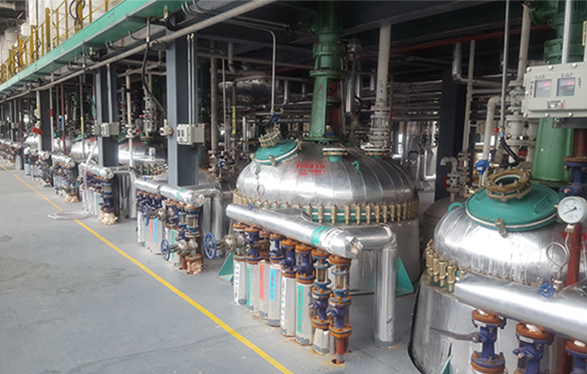
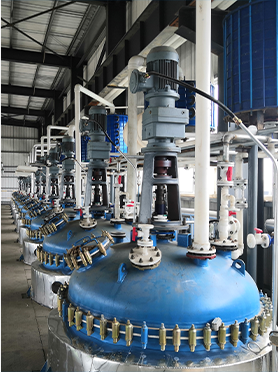
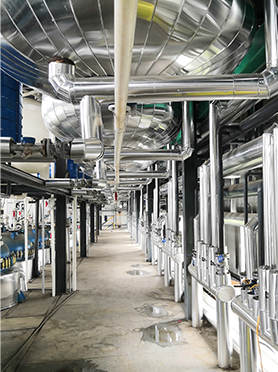
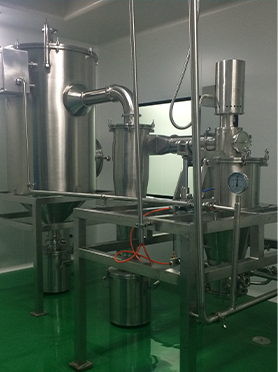
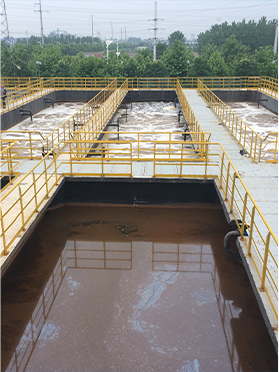
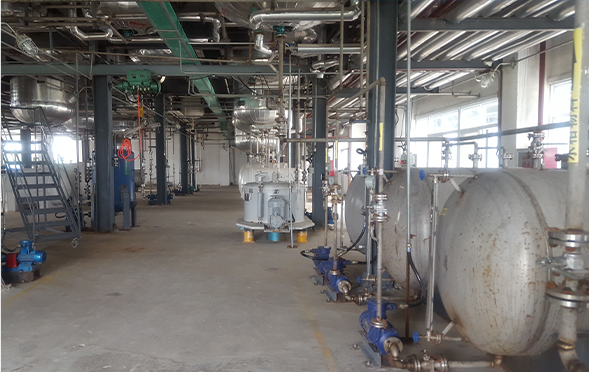
Professional Export Experience
to Global Customers
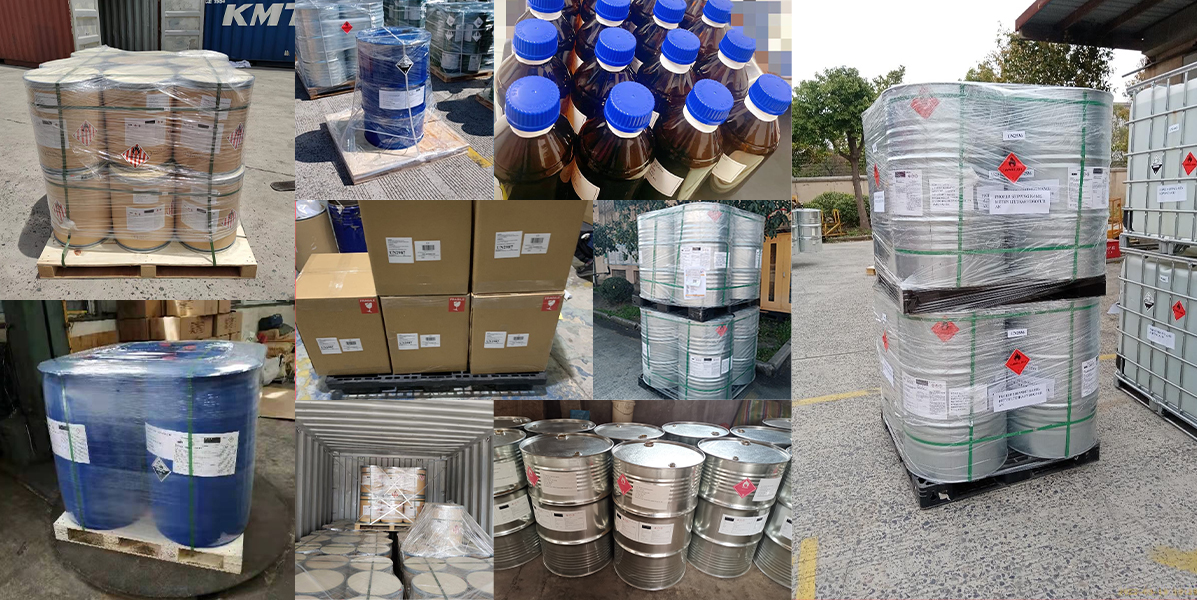
1. 20 years of R&D, manufacturing and sales experience, serving customers in 60 countries and regions around the world;
2. Own R&D laboratory, pilot platform and large-scale production workshop, which can meet the audit requirements of global customers;
3. We can satisfy customers' perfect transition from small scale lab requirements (gram level) to commercialization requirements (hundred tons level).
A: We don't have Minimum Order Quantity, exact quantity should be provided before quotation for us to calculate the exact cost.
A: We don't provide free samples due to lots of request and expensive international courier's cost, we can deduct the sample charge after commercial order placed.
A: Our payment terms: Small or sample order: T/T IN ADVANCE. Commercial order: First order should be by T/T IN ADVANCE or L/C at sight, and following orders T/T 30~90days is acceptable subject to approval of credit application.