
Custom Manufacturing, Project Outsourcing, your Trusted Partner from China
In the specialized field of fine chemical manufacturing and pharmaceutical synthesis, the purity of raw materials is not merely a specification; it is a cornerstone of product efficacy, safety, and regulatory compliance. Aminomethylphosphonic acid (AMPA), identified by its CAS number 1066-51-9, is a prime example where stringent purity standards are non-negotiable. As a key intermediate, particularly in the production of Telavancin hydrochloride, the quality of AMPA directly influences the success of downstream processes and the integrity of the final Active Pharmaceutical Ingredient (API).
The standard for Aminomethylphosphonic acid typically dictates a minimum purity of 98%. This figure represents the percentage of AMPA molecules present in the sample, with the remainder being impurities. For pharmaceutical applications, identifying and quantifying these impurities is as crucial as ensuring the high level of the main component. Common impurities might include residual starting materials, by-products from synthesis, or degradation products. A reputable manufacturer will provide a detailed Certificate of Analysis (CoA) that not only states the overall purity but also lists known impurities and their maximum allowable levels.
Furthermore, the physical characteristics of AMPA, such as its appearance as a white to off-white powder, and its moisture content, are also critical indicators of quality. Low moisture content, typically specified as ≤0.3%, is vital for maintaining the stability of the compound during storage and handling, preventing potential degradation or clumping that could affect its reactivity in subsequent synthesis steps. When you plan to buy Aminomethylphosphonic acid, always inquire about these physical properties alongside the chemical purity.
For businesses sourcing AMPA, especially in bulk quantities from manufacturers in China or elsewhere, establishing robust quality control procedures is essential. This involves not only reviewing the supplier's CoA but also potentially conducting independent third-party testing. Building a strong relationship with a supplier that consistently meets or exceeds purity specifications fosters confidence and reduces the risk of production delays or product recalls. When seeking quotes, clearly state your required purity level and any specific impurity limits.
The emphasis on chemical purity for compounds like Aminomethylphosphonic acid underscores the sophistication and responsibility inherent in the fine chemical industry. Manufacturers who invest in advanced synthesis techniques and rigorous quality assurance processes are invaluable partners for pharmaceutical companies and other high-tech industries. Ensuring a high-purity supply of AMPA is thus a critical step in guaranteeing the quality and reliability of the vital medicines and advanced materials it helps create.
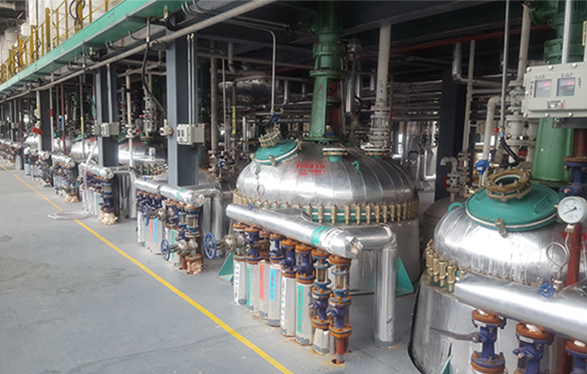
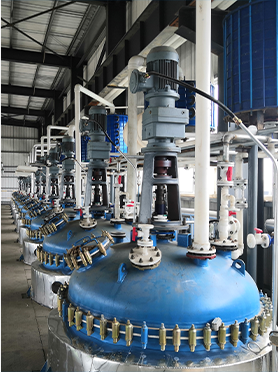
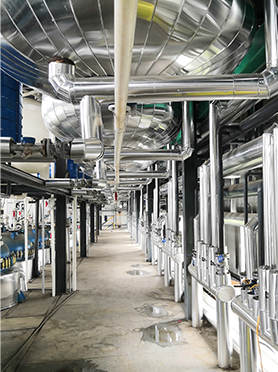
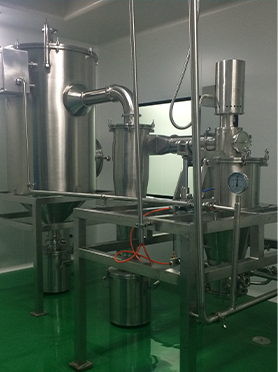
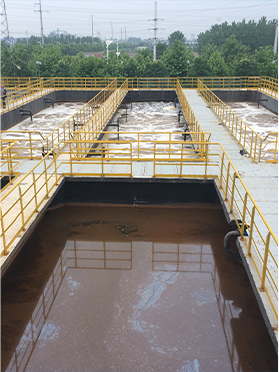
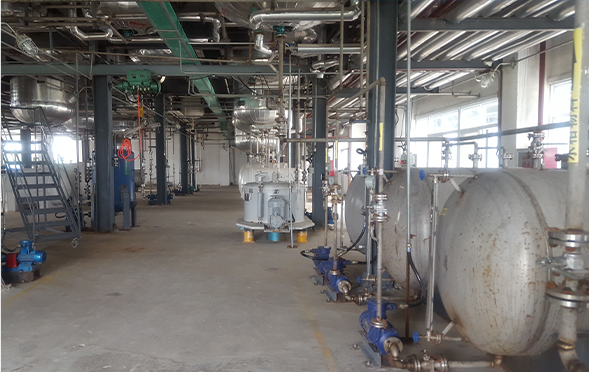
Manufacturing Facilities
Professional Export Experience
to Global Customers
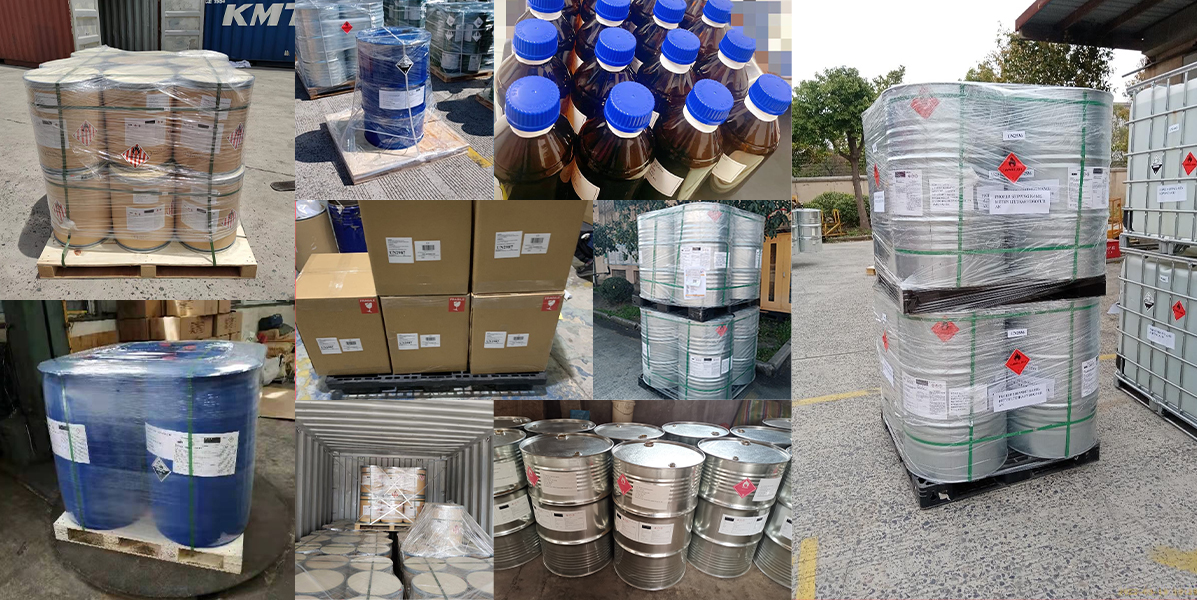
1. 20 years of R&D, manufacturing and sales experience, serving customers in 60 countries and regions around the world;
2. Own R&D laboratory, pilot platform and large-scale production workshop, which can meet the audit requirements of global customers;
3. We can satisfy customers' perfect transition from small scale lab requirements (gram level) to commercialization requirements (hundred tons level).
A: We don't have Minimum Order Quantity, exact quantity should be provided before quotation for us to calculate the exact cost.
A: We don't provide free samples due to lots of request and expensive international courier's cost, we can deduct the sample charge after commercial order placed.
A: Our payment terms: Small or sample order: T/T IN ADVANCE. Commercial order: First order should be by T/T IN ADVANCE or L/C at sight, and following orders T/T 30~90days is acceptable subject to approval of credit application.