
Custom Manufacturing, Project Outsourcing, your Trusted Partner from China
For synthetic chemists, understanding the reactivity of a chemical intermediate is key to unlocking its full potential. 2-Bromo-6-(trifluoromethyl)quinoline, bearing CAS number 1101205-26-8, is a highly functionalized quinoline derivative whose reactivity is shaped by its key substituents: a bromine atom and a trifluoromethyl group. This article aims to provide a practical guide for chemists looking to buy and utilize this versatile building block in their synthetic endeavors.
Understanding the Core Structure and Substituents
The molecule's foundation is the quinoline ring, an aromatic heterocycle. Attached to this core are two critical groups: a bromine atom, typically at the 2-position in this context (though variations exist), and a trifluoromethyl (CF₃) group, usually at the 6-position. The trifluoromethyl group is strongly electron-withdrawing, which significantly influences the electron density distribution across the quinoline system, often making the ring system more electrophilic and altering the basicity of the nitrogen atom. The bromine atom, meanwhile, is a good leaving group and a versatile handle for numerous transformations.
Key Reactions Involving the Bromine Atom
The bromine atom in 2-Bromo-6-(trifluoromethyl)quinoline is the primary site for many valuable synthetic operations. Its position on the electron-deficient quinoline ring enhances its reactivity in several ways:
Impact of the Trifluoromethyl Group
The trifluoromethyl group, beyond its electronic influence, can also impact steric interactions and solubility. Its presence can direct regioselectivity in further electrophilic aromatic substitution reactions on the quinoline ring, though such reactions might be challenging due to the overall electron-deficient nature imparted by CF₃. The CF₃ group is generally very stable and resistant to most reaction conditions, making it an enduring feature in the synthesized molecules.
Sourcing and Practical Considerations
For chemists aiming to purchase 2-Bromo-6-(trifluoromethyl)quinoline (CAS 1101205-26-8), sourcing from reputable manufacturers is key to ensuring the purity (≥97%) and reactivity expected for these transformations. Reliable suppliers, often based in China, provide this intermediate with consistent quality. When planning your synthesis, consider the palladium catalyst loading, ligand choice, base, and solvent for optimal cross-coupling yields. Understanding these reactive pathways allows researchers to efficiently buy and utilize this chemical for their specific synthetic goals.
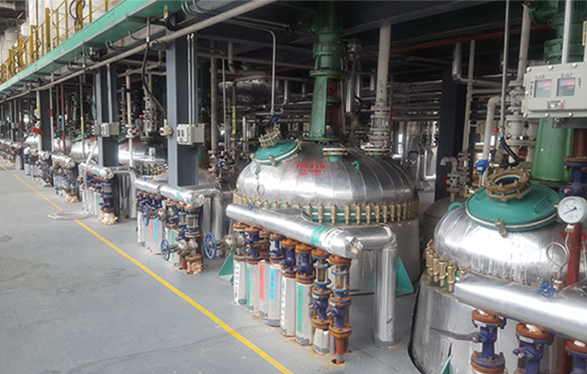
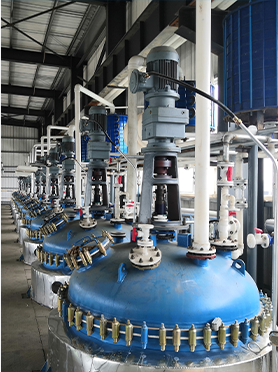
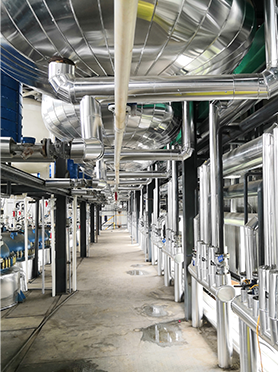
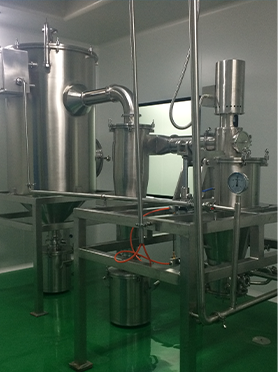
Manufacturing Facilities
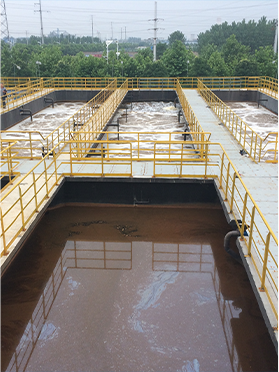
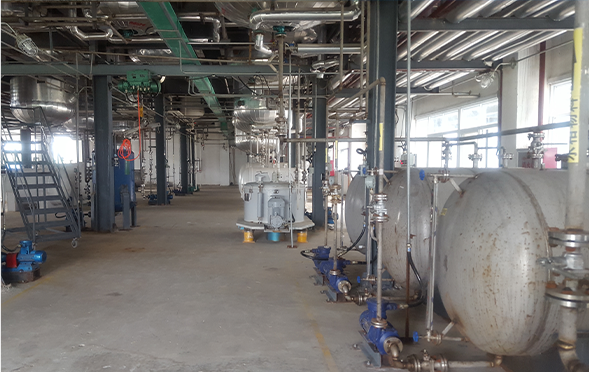
Professional Export Experience
to Global Customers
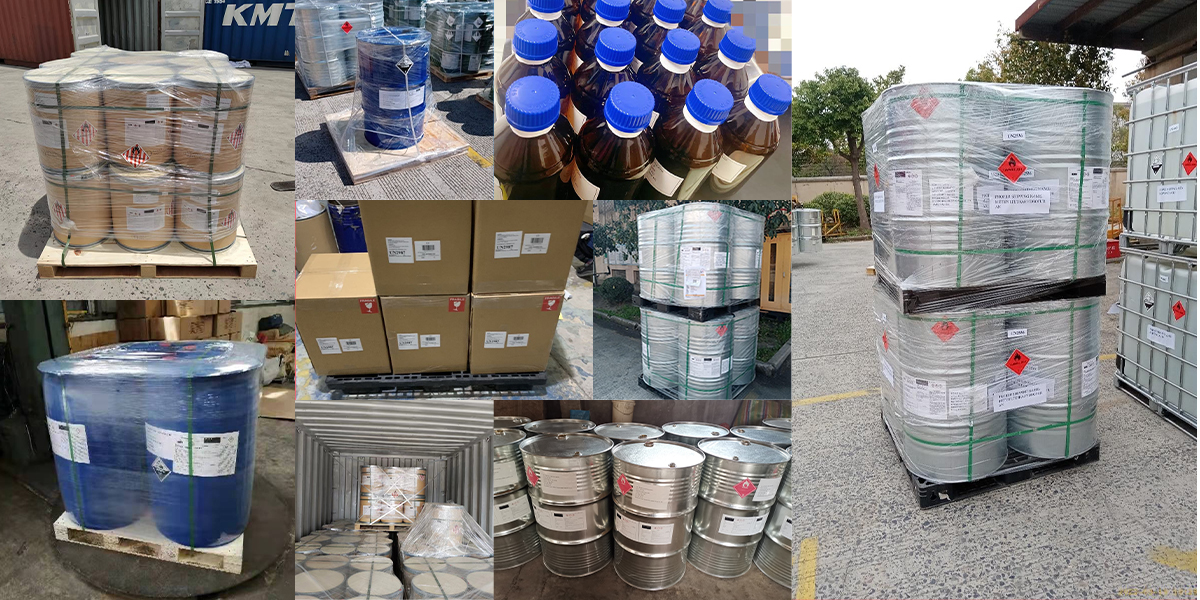
1. 20 years of R&D, manufacturing and sales experience, serving customers in 60 countries and regions around the world;
2. Own R&D laboratory, pilot platform and large-scale production workshop, which can meet the audit requirements of global customers;
3. We can satisfy customers' perfect transition from small scale lab requirements (gram level) to commercialization requirements (hundred tons level).
A: We don't have Minimum Order Quantity, exact quantity should be provided before quotation for us to calculate the exact cost.
A: We don't provide free samples due to lots of request and expensive international courier's cost, we can deduct the sample charge after commercial order placed.
A: Our payment terms: Small or sample order: T/T IN ADVANCE. Commercial order: First order should be by T/T IN ADVANCE or L/C at sight, and following orders T/T 30~90days is acceptable subject to approval of credit application.