
Custom Manufacturing, Project Outsourcing, your Trusted Partner from China
The performance of modern OLED displays is a testament to the sophisticated chemistry involved in their fabrication. At the forefront of this innovation are highly specialized organic materials, including phosphorescent emitters. This article delves into the chemical structure and functional properties of Bis(4,6-difluoro-2-(2-pyridyl)phenyl-C2,N)(4-methyl-4'-propyl Carboxyl-2,2'-al Pyridyl) Iridium (CAS 1234737-66-6), a key iridium complex manufactured by us to meet the stringent demands of the OLED industry.
The molecular formula C37H29F4IrN4O2 precisely describes this complex organometallic compound. It features a central iridium (Ir) atom, a heavy transition metal, which is coordinated by two distinct cyclometalated ligands. The first ligand type is Bis(4,6-difluoro-2-(2-pyridyl)phenyl-C2,N), characterized by its fluorinated phenyl and pyridyl moieties. These fluorine atoms are strategically placed to influence the electronic properties, potentially enhancing luminescence efficiency and stability. The second ligand is the modified bipyridyl derivative, (4-methyl-4'-propyl Carboxyl-2,2'-al Pyridyl), which contributes further to the complex's electronic configuration and solubility, crucial for solution-processable OLEDs.
The primary function of this iridium complex in OLEDs is as a phosphorescent dopant. When incorporated into the emissive layer of an OLED device, it efficiently converts electrical energy into light. The iridium core's strong spin-orbit coupling facilitates efficient harvesting of both singlet and triplet excitons, leading to theoretically higher internal quantum efficiencies compared to fluorescent emitters. This translates directly to brighter displays and reduced power consumption – key selling points for consumer electronics.
As a professional chemical manufacturer and supplier, we ensure the synthesis of this complex is conducted under tightly controlled conditions to achieve high purity, typically 97% minimum. This purity is vital, as impurities can deactivate the excited states or act as charge traps, compromising the OLED's performance. Researchers and manufacturers seeking to buy this compound are investing in a precisely engineered molecule designed for optimal functionality.
We are committed to providing reliable access to advanced OLED materials. If your team requires high-performance intermediates for your next generation of displays, we encourage you to inquire about our Bis(4,6-difluoro-2-(2-pyridyl)phenyl-C2,N)(4-methyl-4'-propyl Carboxyl-2,2'-al Pyridyl) Iridium. Contact us for detailed technical data, pricing, and sample availability. Partner with a leading Chinese supplier for your critical electronic chemical needs.
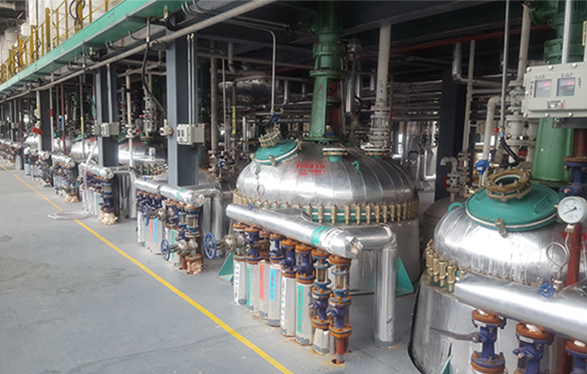
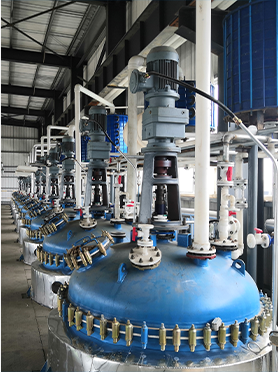
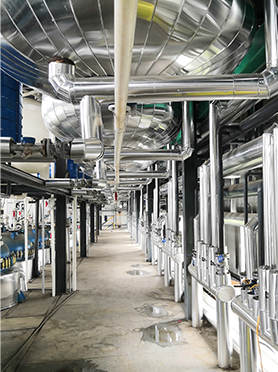
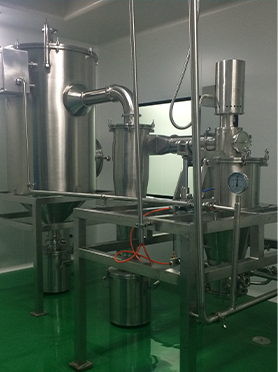
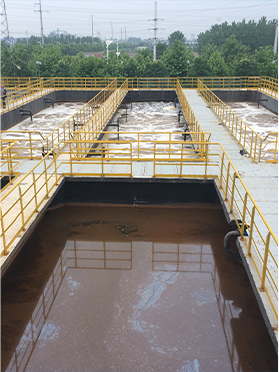
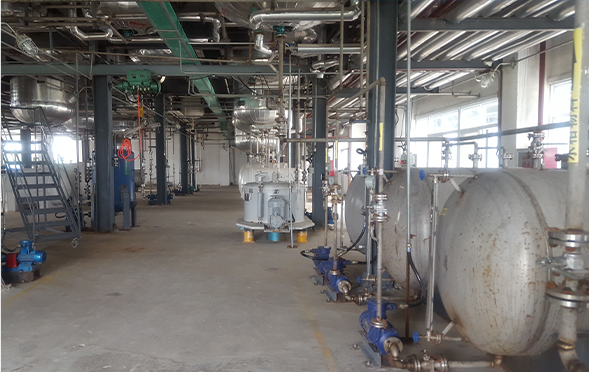
Manufacturing Facilities
Professional Export Experience
to Global Customers
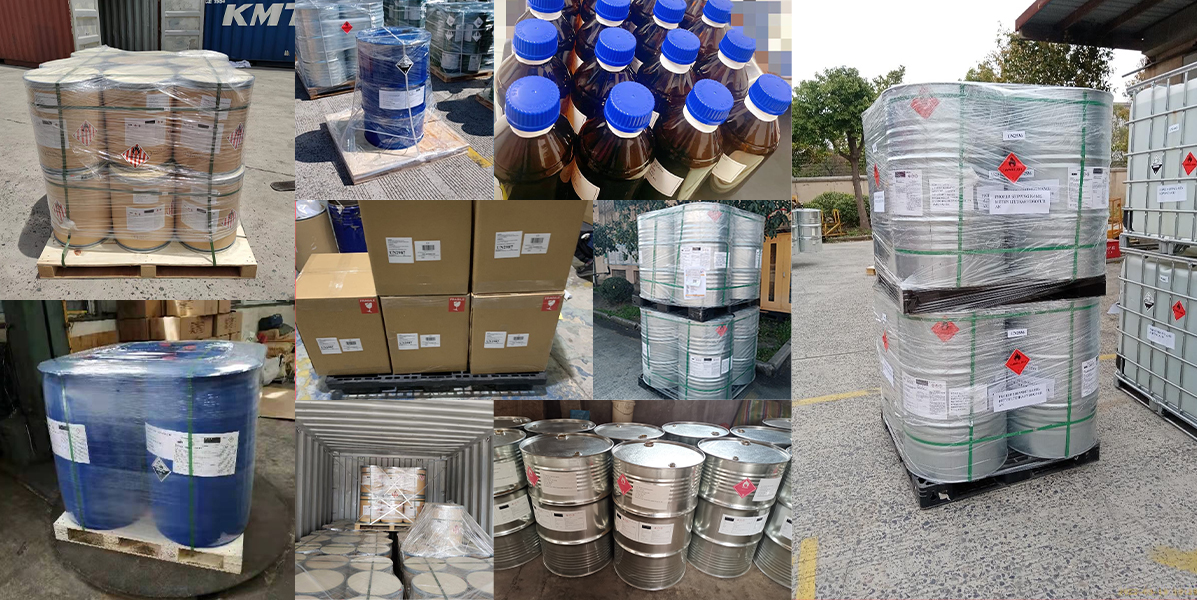
1. 20 years of R&D, manufacturing and sales experience, serving customers in 60 countries and regions around the world;
2. Own R&D laboratory, pilot platform and large-scale production workshop, which can meet the audit requirements of global customers;
3. We can satisfy customers' perfect transition from small scale lab requirements (gram level) to commercialization requirements (hundred tons level).
A: We don't have Minimum Order Quantity, exact quantity should be provided before quotation for us to calculate the exact cost.
A: We don't provide free samples due to lots of request and expensive international courier's cost, we can deduct the sample charge after commercial order placed.
A: Our payment terms: Small or sample order: T/T IN ADVANCE. Commercial order: First order should be by T/T IN ADVANCE or L/C at sight, and following orders T/T 30~90days is acceptable subject to approval of credit application.