
Custom Manufacturing, Project Outsourcing, your Trusted Partner from China
The efficient and high-purity synthesis of chemical intermediates is the backbone of modern chemical and pharmaceutical industries. (2,2-Dichlorocyclopropyl)benzene (CAS 2415-80-7), a vital organic intermediate, is a prime example of a compound whose value is directly tied to its synthesis process. Manufacturers employ specific methods to ensure high yields and the required purity, typically around 99%.
Step-by-Step Synthesis of (2,2-Dichlorocyclopropyl)benzene
The synthesis often begins with a straightforward starting material: styrene. A common synthetic route involves reacting styrene with dichloromethane and chloroform in the presence of a phase-transfer catalyst, such as benzyl triethyl ammonium chloride (TEBA). The reaction mixture is heated to reflux. Subsequently, a lye solution (sodium hydroxide dissolved in water) is added dropwise while maintaining reflux conditions for an extended period, typically 8 hours. This reaction establishes the dichlorocyclopropyl moiety on the phenyl ring.
Reaction Mechanism and Key Components
The use of a phase-transfer catalyst is crucial here. It facilitates the reaction between the organic reactants (styrene, dichloromethane, chloroform) and the aqueous base (lye) by transferring reactive species across the phase boundary. This allows for efficient reaction under milder conditions. The dichlorocarbene, generated in situ from chloroform and the base, is believed to be the reactive species that adds to the styrene double bond, forming the cyclopropane ring with the desired dichlorosubstitution.
Purification and Quality Control by Manufacturers
Following the reaction, the product mixture is processed. This typically involves cooling, adding water to facilitate separation, and then extracting the organic layer with a suitable solvent like petroleum ether. The combined organic layers are dried, commonly using anhydrous sodium sulfate, and then filtered. The critical step for achieving high purity is high-vacuum distillation using an oil pump. This process effectively separates the desired (2,2-Dichlorocyclopropyl)benzene from unreacted starting materials, byproducts, and catalyst residues, yielding a product with a high assay, often exceeding 99%. Manufacturers provide detailed specifications in their TDS, including appearance (transparent colorless to very slightly yellow liquid) and molecular formula (C9H8Cl2).
Importance for Buyers
For those looking to buy (2,2-Dichlorocyclopropyl)benzene, understanding this synthesis process highlights the importance of choosing manufacturers who meticulously control each step. This ensures product quality, yield, and consistency, which are vital for applications like ciprofibrate synthesis. Engaging with suppliers who can provide comprehensive information on their manufacturing processes and quality control measures is a wise procurement strategy.
In essence, the successful synthesis of (2,2-Dichlorocyclopropyl)benzene relies on precise reaction conditions, effective phase-transfer catalysis, and rigorous purification techniques, all managed by skilled chemical manufacturers.
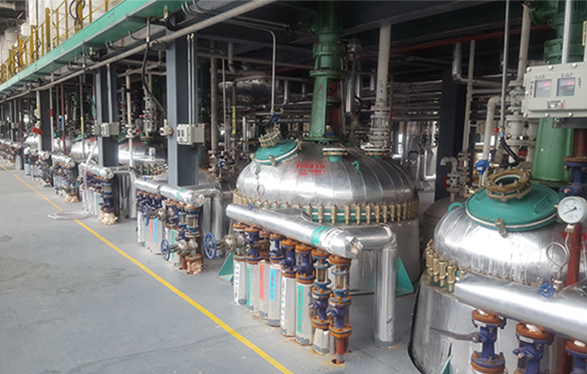
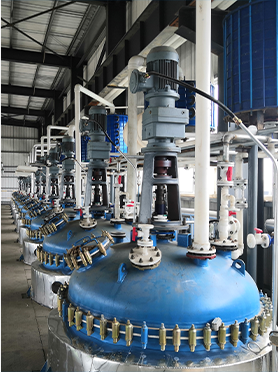
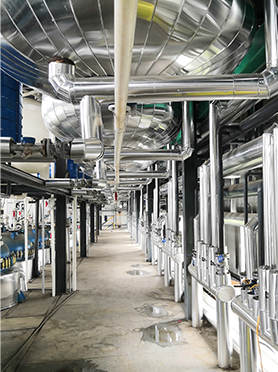
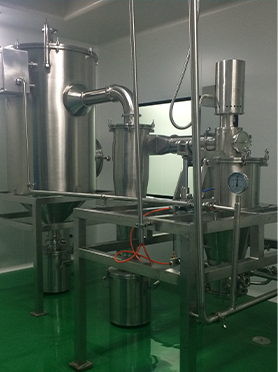
Manufacturing Facilities
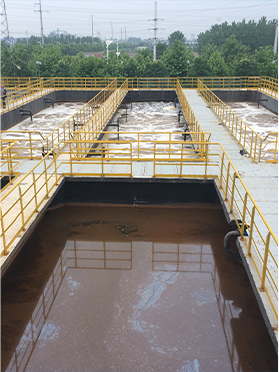
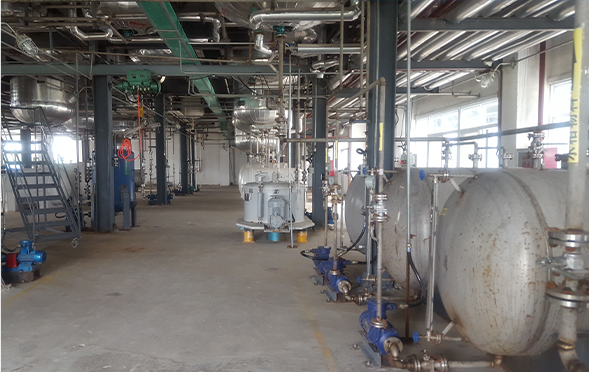
Professional Export Experience
to Global Customers
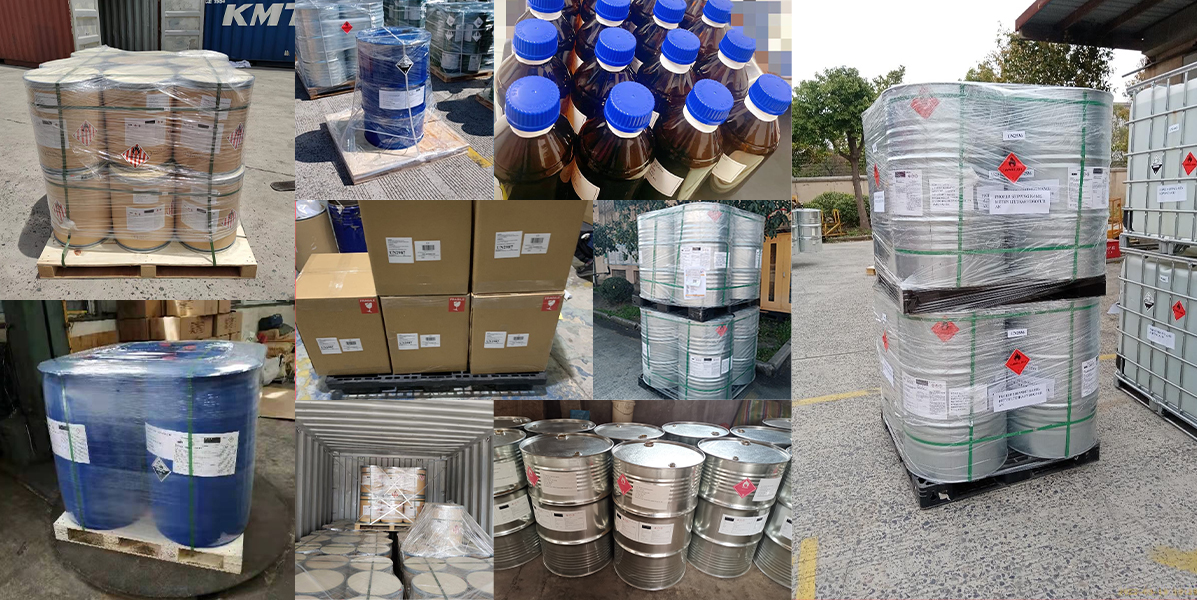
1. 20 years of R&D, manufacturing and sales experience, serving customers in 60 countries and regions around the world;
2. Own R&D laboratory, pilot platform and large-scale production workshop, which can meet the audit requirements of global customers;
3. We can satisfy customers' perfect transition from small scale lab requirements (gram level) to commercialization requirements (hundred tons level).
A: We don't have Minimum Order Quantity, exact quantity should be provided before quotation for us to calculate the exact cost.
A: We don't provide free samples due to lots of request and expensive international courier's cost, we can deduct the sample charge after commercial order placed.
A: Our payment terms: Small or sample order: T/T IN ADVANCE. Commercial order: First order should be by T/T IN ADVANCE or L/C at sight, and following orders T/T 30~90days is acceptable subject to approval of credit application.