
Custom Manufacturing, Project Outsourcing, your Trusted Partner from China
Organic synthesis is the backbone of chemical innovation, enabling the creation of new materials, pharmaceuticals, and consumer products. At the heart of many complex synthetic routes lie versatile chemical intermediates, compounds that serve as crucial building blocks. 2-Methyl-3-[4-(2-methylbutan-2-yl)phenyl]propanal, identified by CAS 67467-96-3, stands out as such a compound, offering a rich platform for chemical transformations due to its reactive aldehyde group and substituted aromatic structure. For chemists and researchers, understanding its synthetic utility is key to unlocking its potential.
Understanding the Reactivity: The Aldehyde Functionality
The defining feature of 2-Methyl-3-[4-(2-methylbutan-2-yl)phenyl]propanal is its aldehyde group (-CHO). Aldehydes are highly versatile functional groups in organic chemistry, readily participating in a wide array of reactions. These include:
Role as a Pharmaceutical Intermediate
As previously noted, 2-Methyl-3-[4-(2-methylbutan-2-yl)phenyl]propanal is a vital intermediate in the synthesis of Amorolfine. This demonstrates its capability to be reliably transformed into complex, biologically active molecules. Pharmaceutical chemists often seek such intermediates for their predictable reactivity and ability to integrate seamlessly into multi-step synthetic pathways. To ensure the success of these syntheses, it is imperative to buy high-purity material from trusted manufacturers.
Potential in Materials Science and Fragrances
Beyond pharmaceuticals, the structure of 2-Methyl-3-[4-(2-methylbutan-2-yl)phenyl]propanal suggests applications in other fields. Its lipophilic character, due to the alkyl substituents, might make it useful in the development of specialized coatings or as a component in formulations where solubility in non-polar media is important. Furthermore, its structural similarity to known aroma compounds opens avenues for exploration in the fragrance industry, as discussed in other contexts.
Sourcing Strategies for Researchers
For researchers and chemists needing to purchase this compound for their synthetic projects, working with a responsive supplier is key. Obtaining a detailed technical datasheet and a Certificate of Analysis (CoA) is standard practice. Considering the cost-effectiveness of the intermediate is also vital for academic and industrial budgets. Companies like NINGBO INNO PHARMCHEM, as a direct supplier, can provide competitive pricing and reliable delivery for your research needs.
Conclusion
2-Methyl-3-[4-(2-methylbutan-2-yl)phenyl]propanal (CAS 67467-96-3) is a valuable asset in the organic chemist's toolkit. Its inherent reactivity, particularly that of the aldehyde group, makes it a versatile building block for synthesizing a wide range of complex organic molecules, from life-saving pharmaceuticals to novel materials. Researchers and manufacturers should leverage the expertise of reliable suppliers to access this important chemical intermediate.
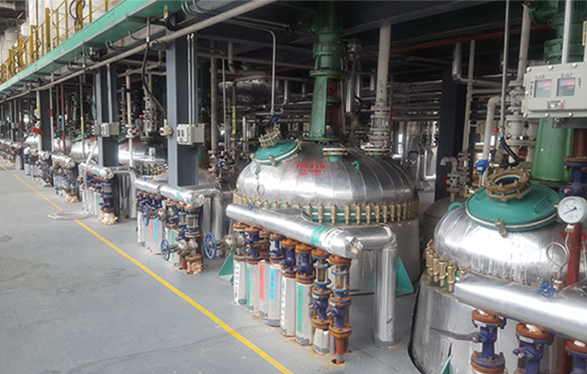
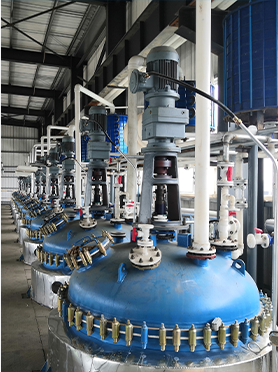
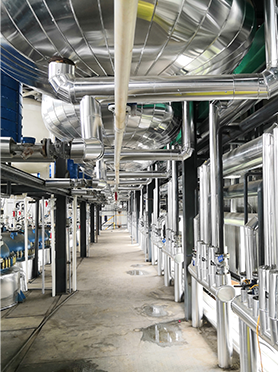
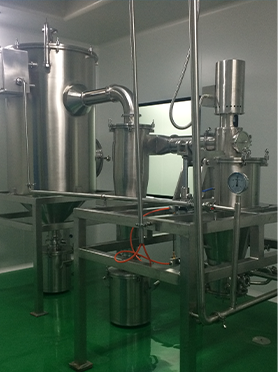
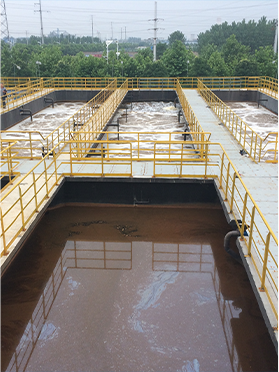
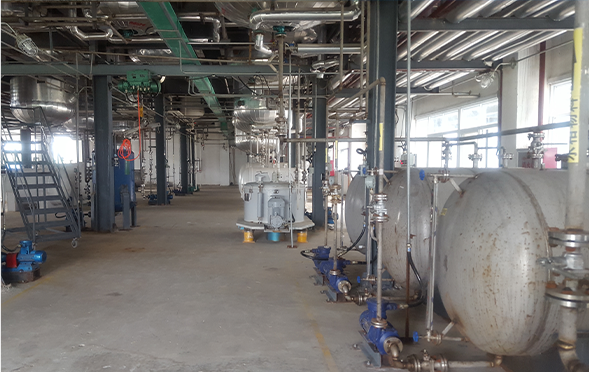
Manufacturing Facilities
Professional Export Experience
to Global Customers
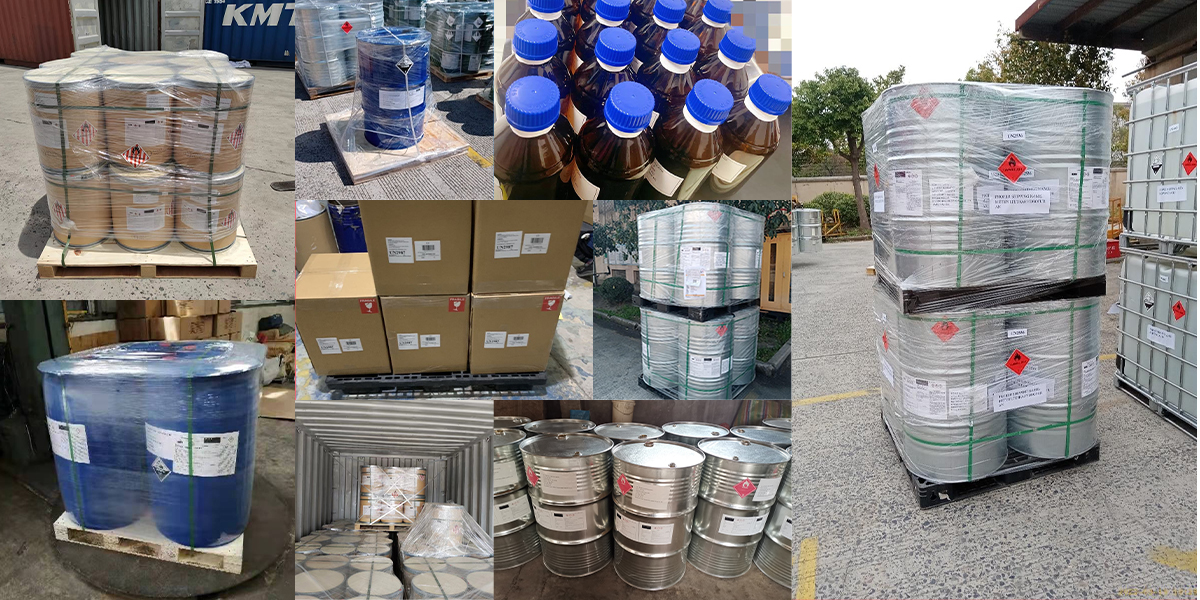
1. 20 years of R&D, manufacturing and sales experience, serving customers in 60 countries and regions around the world;
2. Own R&D laboratory, pilot platform and large-scale production workshop, which can meet the audit requirements of global customers;
3. We can satisfy customers' perfect transition from small scale lab requirements (gram level) to commercialization requirements (hundred tons level).
A: We don't have Minimum Order Quantity, exact quantity should be provided before quotation for us to calculate the exact cost.
A: We don't provide free samples due to lots of request and expensive international courier's cost, we can deduct the sample charge after commercial order placed.
A: Our payment terms: Small or sample order: T/T IN ADVANCE. Commercial order: First order should be by T/T IN ADVANCE or L/C at sight, and following orders T/T 30~90days is acceptable subject to approval of credit application.