
Custom Manufacturing, Project Outsourcing, your Trusted Partner from China
For chemists and process engineers, understanding the synthesis of key intermediates is vital for efficient production and cost management. 3,4-Dimethoxyphenylacetonitrile (CAS 93-17-4), a crucial compound in pharmaceutical synthesis, is no exception. This article provides an overview of its synthesis methods, detailing reaction conditions, purification techniques, and the advantages of modern approaches, offering valuable information for R&D professionals and manufacturers.
The Importance of Synthesis Pathways
3,4-Dimethoxyphenylacetonitrile, also known as Homoveratronitrile, is an aromatic nitrile with the molecular formula C10H11NO2. Its primary use as an intermediate in the production of antibiotics like Cefuroxime underscores the need for efficient and high-purity synthesis routes. For companies looking to buy this compound, understanding how it is made provides confidence in its quality and availability.
Traditional vs. Modern Synthesis Approaches
Historically, the synthesis of 3,4-Dimethoxyphenylacetonitrile has involved routes such as the chloromethylation of O-dimethoxybenzene followed by cyanidation. While effective, these methods can sometimes involve harsh conditions or generate by-products that require extensive purification. Modern synthesis strategies often focus on improving reaction efficiency, reducing the number of steps, and employing milder reaction conditions.
A notable modern approach involves a three-step process:
These advanced methods aim to enhance product quality, simplify operations, and reduce the overall production cycle, making them attractive for manufacturers seeking to supply the global market.
Purification Techniques for High Purity
Achieving the required purity for pharmaceutical applications, typically 99% min, necessitates effective purification methods. Common techniques for 3,4-Dimethoxyphenylacetonitrile include:
These purification steps are critical for suppliers to meet the stringent specifications demanded by the pharmaceutical industry. When you buy this intermediate, inquire about the purification methods used to ensure you are getting a high-quality product.
Conclusion
The synthesis of 3,4-Dimethoxyphenylacetonitrile (CAS 93-17-4) is a sophisticated process that has seen significant advancements. Modern synthesis and purification techniques employed by manufacturers, particularly in China, ensure the availability of a high-purity, reliable intermediate crucial for pharmaceutical production. Understanding these processes empowers procurement professionals and chemists to make informed decisions when sourcing this essential chemical compound.
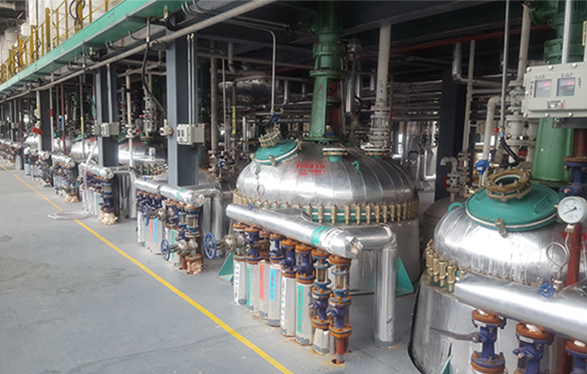
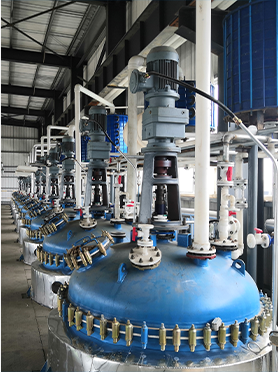
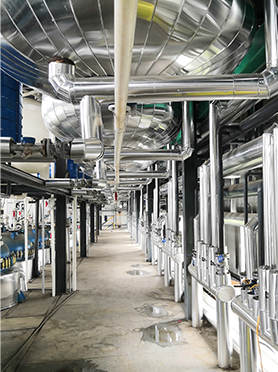
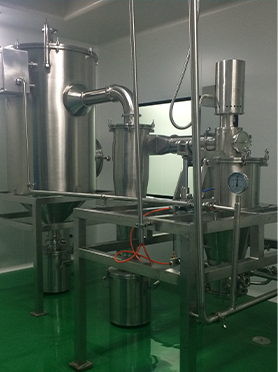
Manufacturing Facilities
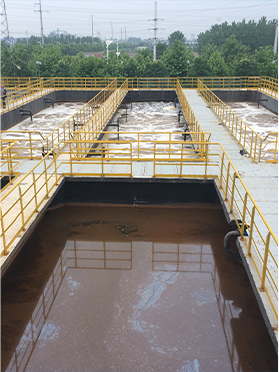
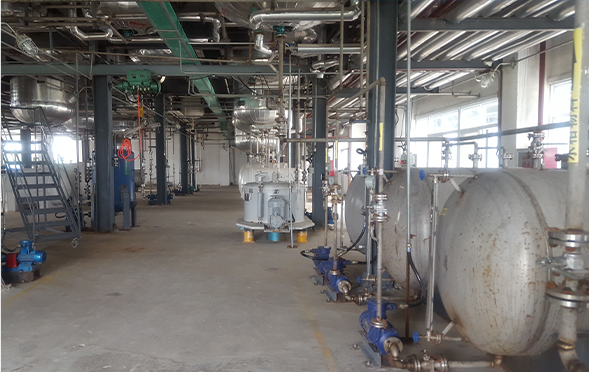
Professional Export Experience
to Global Customers
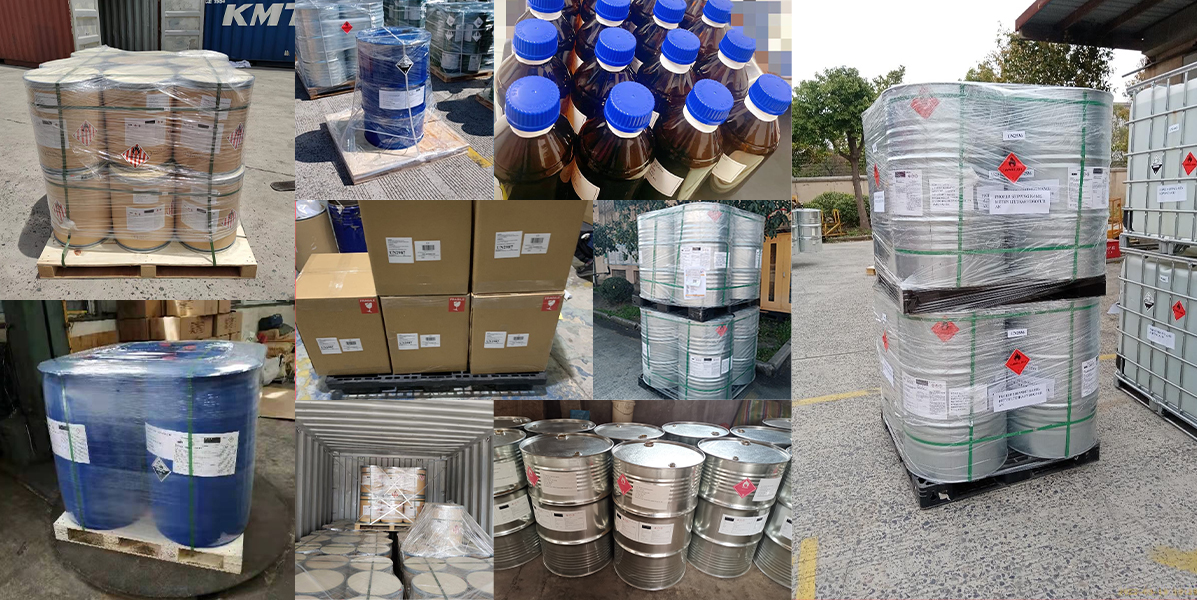
1. 20 years of R&D, manufacturing and sales experience, serving customers in 60 countries and regions around the world;
2. Own R&D laboratory, pilot platform and large-scale production workshop, which can meet the audit requirements of global customers;
3. We can satisfy customers' perfect transition from small scale lab requirements (gram level) to commercialization requirements (hundred tons level).
A: We don't have Minimum Order Quantity, exact quantity should be provided before quotation for us to calculate the exact cost.
A: We don't provide free samples due to lots of request and expensive international courier's cost, we can deduct the sample charge after commercial order placed.
A: Our payment terms: Small or sample order: T/T IN ADVANCE. Commercial order: First order should be by T/T IN ADVANCE or L/C at sight, and following orders T/T 30~90days is acceptable subject to approval of credit application.