
Custom Manufacturing, Project Outsourcing, your Trusted Partner from China
The consistent demand for P-Anisaldehyde (CAS 123-11-5) across the fragrance, flavor, and pharmaceutical sectors necessitates efficient and reliable industrial synthesis methods. As a key aromatic aldehyde, its production involves transforming precursor materials into a high-purity product. Understanding the common production routes is crucial for procurement managers and R&D professionals alike, as it impacts product quality, cost, and availability. As a prominent chemical manufacturer, we employ advanced synthesis techniques to deliver superior P-Anisaldehyde.
One of the most established industrial methods for synthesizing P-Anisaldehyde involves the oxidation of p-methoxytoluene (also known as p-methylanisole). Various oxidizing agents can be used, including manganese dioxide (MnO2) in the presence of sulfuric acid, or air oxidation catalyzed by metal oxides. This process is favored for its relative simplicity and the availability of starting materials. Precise control over reaction conditions, such as temperature, concentration of reactants, and catalyst activity, is vital to maximize yield and minimize the formation of by-products, ensuring the desired purity for fragrance and pharmaceutical applications.
Another significant synthetic pathway starts with p-cresol. This multi-step process typically involves methylating the phenolic hydroxyl group of p-cresol to form p-methoxytoluene, which is then oxidized as described above. Alternatively, p-cresol can be converted to 4-hydroxybenzaldehyde, followed by methylation to yield P-Anisaldehyde. These routes offer flexibility depending on the availability and cost of raw materials. For companies looking to buy P-Anisaldehyde, choosing a supplier with optimized and scalable synthesis processes is key.
Emerging synthesis technologies also include electrochemical oxidation methods, which can offer more environmentally friendly alternatives and improved control over selectivity. These processes often involve the formation of intermediate acetals, which are then hydrolyzed to P-Anisaldehyde. The continuous refinement of these production methods by manufacturers aims to enhance efficiency, reduce waste, and further guarantee the high purity demanded by end-users.
In conclusion, the industrial synthesis of P-Anisaldehyde relies on robust oxidation and methylation processes, with ongoing advancements in greener chemical technologies. The choice of synthesis route directly influences the quality and cost of the final product. For businesses requiring a consistent and high-quality supply of P-Anisaldehyde, partnering with a manufacturer that employs state-of-the-art production methods is essential. We invite you to contact us to learn more about our P-Anisaldehyde manufacturing capabilities and to discuss how we can meet your chemical sourcing needs with our reliable production processes.
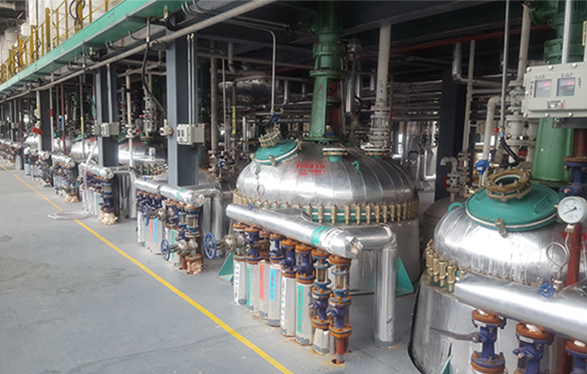
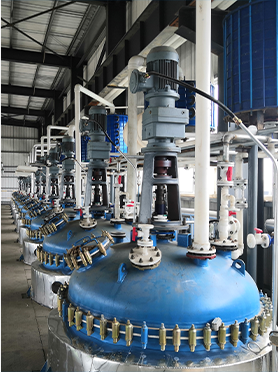
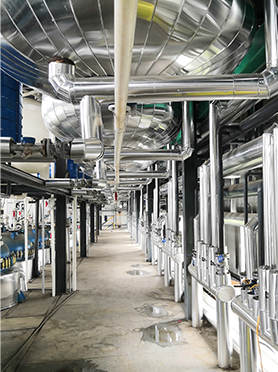
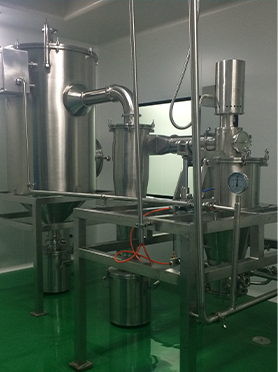
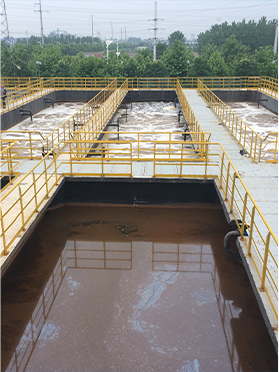
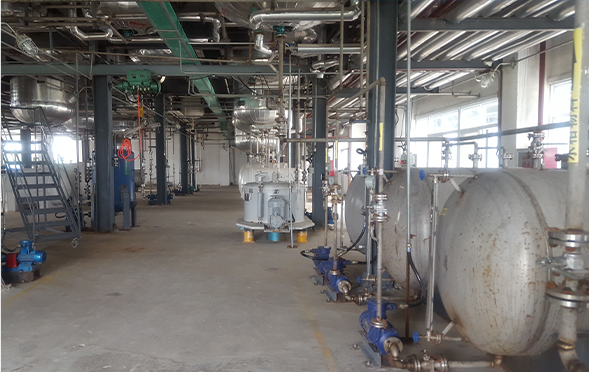
Manufacturing Facilities
Professional Export Experience
to Global Customers
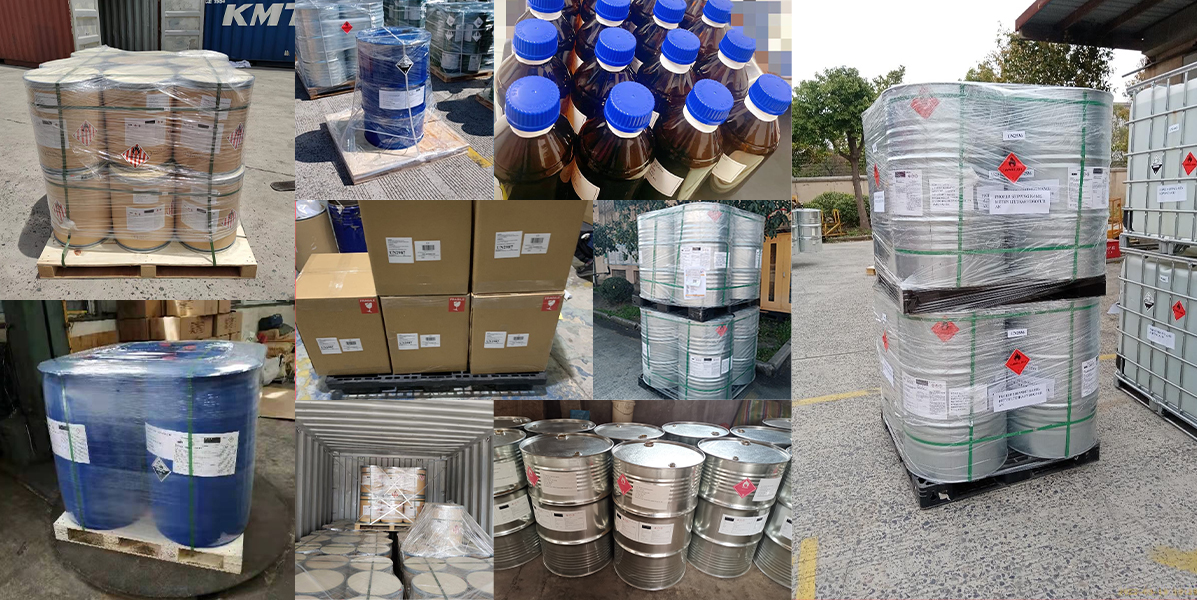
1. 20 years of R&D, manufacturing and sales experience, serving customers in 60 countries and regions around the world;
2. Own R&D laboratory, pilot platform and large-scale production workshop, which can meet the audit requirements of global customers;
3. We can satisfy customers' perfect transition from small scale lab requirements (gram level) to commercialization requirements (hundred tons level).
A: We don't have Minimum Order Quantity, exact quantity should be provided before quotation for us to calculate the exact cost.
A: We don't provide free samples due to lots of request and expensive international courier's cost, we can deduct the sample charge after commercial order placed.
A: Our payment terms: Small or sample order: T/T IN ADVANCE. Commercial order: First order should be by T/T IN ADVANCE or L/C at sight, and following orders T/T 30~90days is acceptable subject to approval of credit application.