
Custom Manufacturing, Project Outsourcing, your Trusted Partner from China
The field of organic synthesis thrives on versatile building blocks that enable the creation of complex molecules with diverse functionalities. 2-Nitrocinnamic Acid, identified by CAS number 612-41-9, stands out as a prime example of such a crucial intermediate. Its chemical structure, featuring a nitro group, a carboxylic acid moiety, and an α,β-unsaturated system, endows it with a rich reactivity profile, making it indispensable for a multitude of synthetic transformations.
One of the most significant aspects of 2-Nitrocinnamic Acid's versatility lies in its capacity to undergo functional group modifications. The carboxylic acid group readily participates in esterification reactions, such as the Fischer esterification, allowing for the formation of various alkyl and aryl esters. These esters can then be further derivatized or used directly in downstream applications. Additionally, reactions like the Mitsunobu reaction provide access to a broader range of ester and amide derivatives, expanding the synthetic toolbox available to chemists. These transformations are fundamental for creating specialized molecules needed in industries like pharmaceuticals and agrochemicals.
The presence of the nitro group is another key feature that drives the synthetic utility of 2-Nitrocinnamic Acid. This group can be selectively reduced under various conditions, leading to the formation of the corresponding amino group. This reduction is often a precursor to intramolecular cyclization reactions, a powerful strategy for constructing heterocyclic systems. For instance, reductive cyclization pathways can lead to the synthesis of important nitrogen-containing heterocycles such as indoles and quinolines. These heterocyclic scaffolds are prevalent in many bioactive molecules, underscoring the importance of 2-Nitrocinnamic Acid as a strategic starting material. For researchers seeking reliable 2-nitrocinnamic acid suppliers, understanding these synthetic pathways ensures they acquire a product suitable for their specific reaction needs.
Furthermore, the α,β-unsaturated system offers opportunities for addition reactions and photochemical transformations. While its photodimerization is a known phenomenon for cinnamic acid derivatives, the nitro substituent can influence these photochemical pathways. The ability to source this compound from dedicated organic synthesis building block providers, especially from China, ensures accessibility and cost-effectiveness for research and industrial scale-up. The consistent quality and predictable reactivity of 2-Nitrocinnamic Acid make it an invaluable reagent for chemists pushing the boundaries of molecular synthesis.
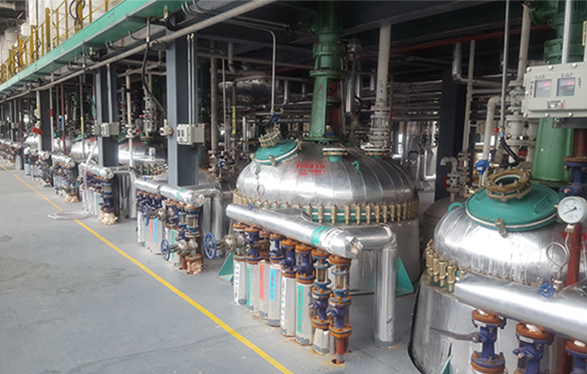
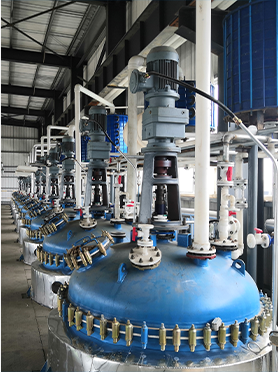
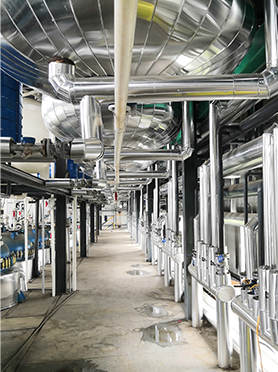
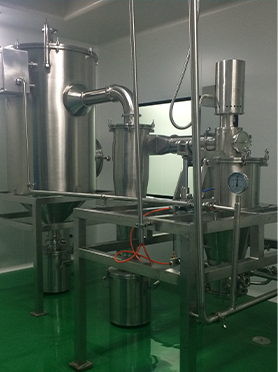
Manufacturing Facilities
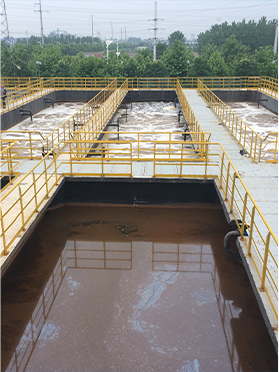
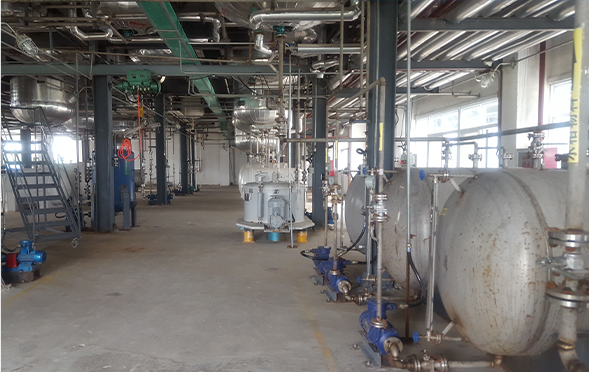
Professional Export Experience
to Global Customers
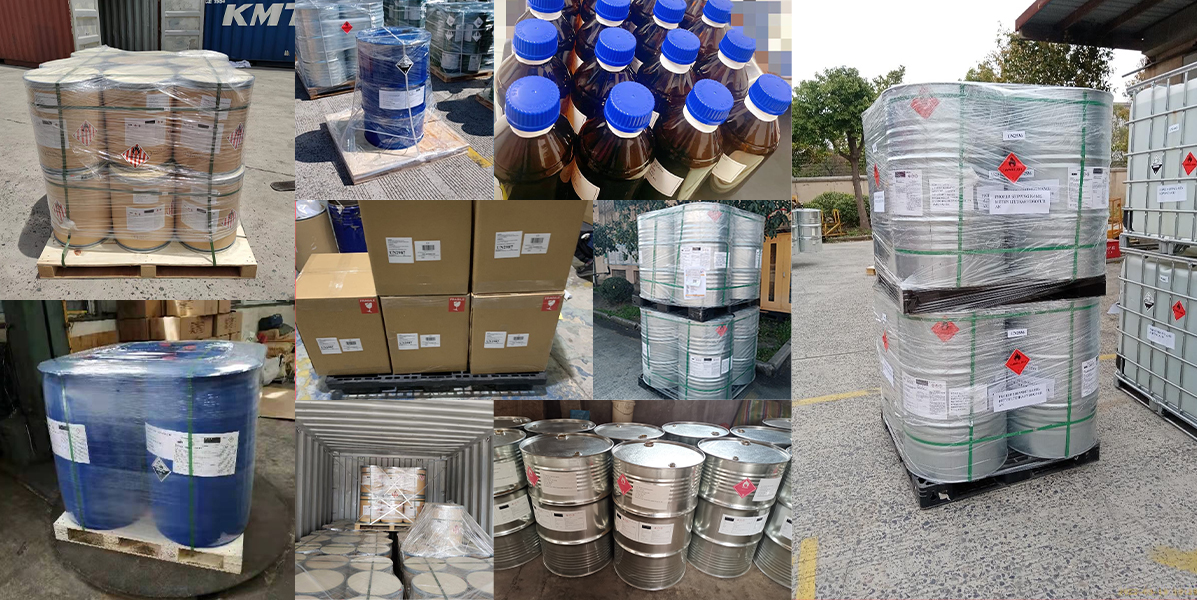
1. 20 years of R&D, manufacturing and sales experience, serving customers in 60 countries and regions around the world;
2. Own R&D laboratory, pilot platform and large-scale production workshop, which can meet the audit requirements of global customers;
3. We can satisfy customers' perfect transition from small scale lab requirements (gram level) to commercialization requirements (hundred tons level).
A: We don't have Minimum Order Quantity, exact quantity should be provided before quotation for us to calculate the exact cost.
A: We don't provide free samples due to lots of request and expensive international courier's cost, we can deduct the sample charge after commercial order placed.
A: Our payment terms: Small or sample order: T/T IN ADVANCE. Commercial order: First order should be by T/T IN ADVANCE or L/C at sight, and following orders T/T 30~90days is acceptable subject to approval of credit application.