
Custom Manufacturing, Project Outsourcing, your Trusted Partner from China
For professionals in the chemical and pharmaceutical industries, a deep understanding of key intermediates is essential for innovation and efficient production. 4-Aminophthalic Acid (CAS 5434-21-9) is a prime example of such a compound, prized for its specific chemical structure and reactivity. This article explores its fundamental properties and the common synthesis routes employed for its industrial-scale production, highlighting its significance as a chemical raw material.
Key Chemical Properties and Specifications
4-Aminophthalic Acid, with the molecular formula C8H7NO4 and a molecular weight of approximately 181.15 g/mol, is typically characterized by its appearance as a yellow to white powder. A critical specification for this compound is its purity, with industrial grades often exceeding 99% minimum assay. Its melting point is notably high, typically decomposing around 334°C, which speaks to its thermal stability under normal conditions. This robust profile makes it suitable for a range of chemical processes where reliability is paramount.
The compound features both an amino group and two carboxylic acid functionalities attached to a benzene ring. This combination of functional groups dictates its reactivity and makes it a versatile building block in organic chemistry. It readily participates in reactions such as esterification and amidation, making it an ideal precursor for more complex molecules.
Industrial Synthesis Routes for 4-Aminophthalic Acid
The industrial synthesis of 4-Aminophthalic Acid most commonly involves the reduction of its nitro precursor, 4-Nitrophthalic Acid. This reduction can be achieved through various methods, with catalytic hydrogenation being a widely adopted technique. In this process, 4-Nitrophthalic Acid is reacted with hydrogen gas in the presence of a catalyst, such as palladium on carbon (Pd/C), typically in a suitable solvent like ethanol. The nitro group (-NO2) is reduced to an amino group (-NH2), yielding the desired 4-Aminophthalic Acid.
Another common approach involves chemical reduction using agents like sodium dithionite or iron in acidic conditions, though catalytic hydrogenation is often preferred for its higher yields and cleaner reaction profiles. The efficiency of the synthesis is crucial for manufacturers looking to supply this intermediate at a competitive price. Optimization of reaction conditions, catalyst selection, and purification methods are key to achieving high purity and yield, ensuring that the final product meets the stringent demands of pharmaceutical and specialty chemical applications.
Sourcing and Procurement Considerations
For businesses seeking to purchase 4-Aminophthalic Acid, understanding these synthesis pathways can help in evaluating the quality and consistency offered by different suppliers. When you are looking to buy this compound, inquiring about the synthesis method used by the manufacturer can provide insights into their capabilities. A well-established supplier will also provide detailed specifications and technical data, empowering you to make informed purchasing decisions. Exploring options from manufacturers in China, known for their robust chemical production capabilities, can be a strategic move for securing this essential intermediate.
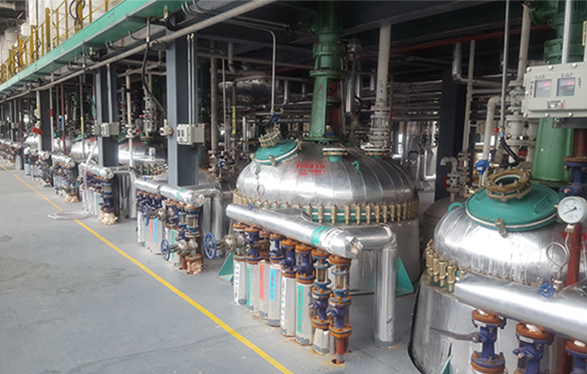
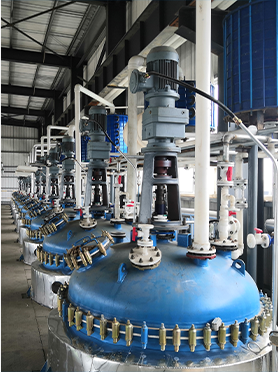
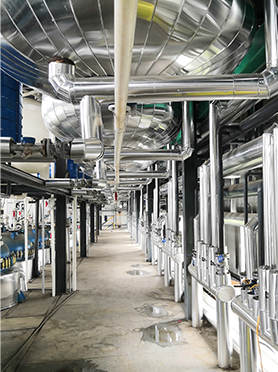
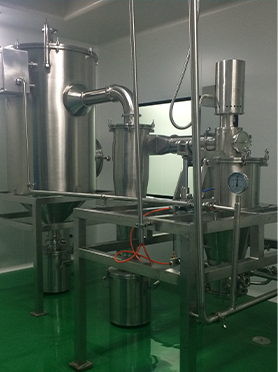
Manufacturing Facilities
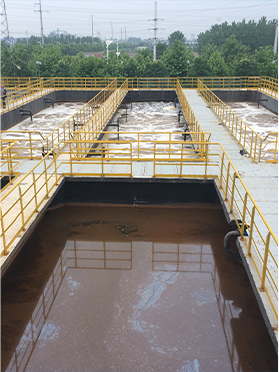
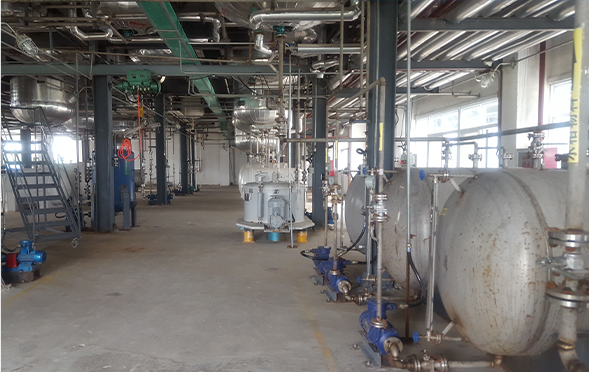
Professional Export Experience
to Global Customers
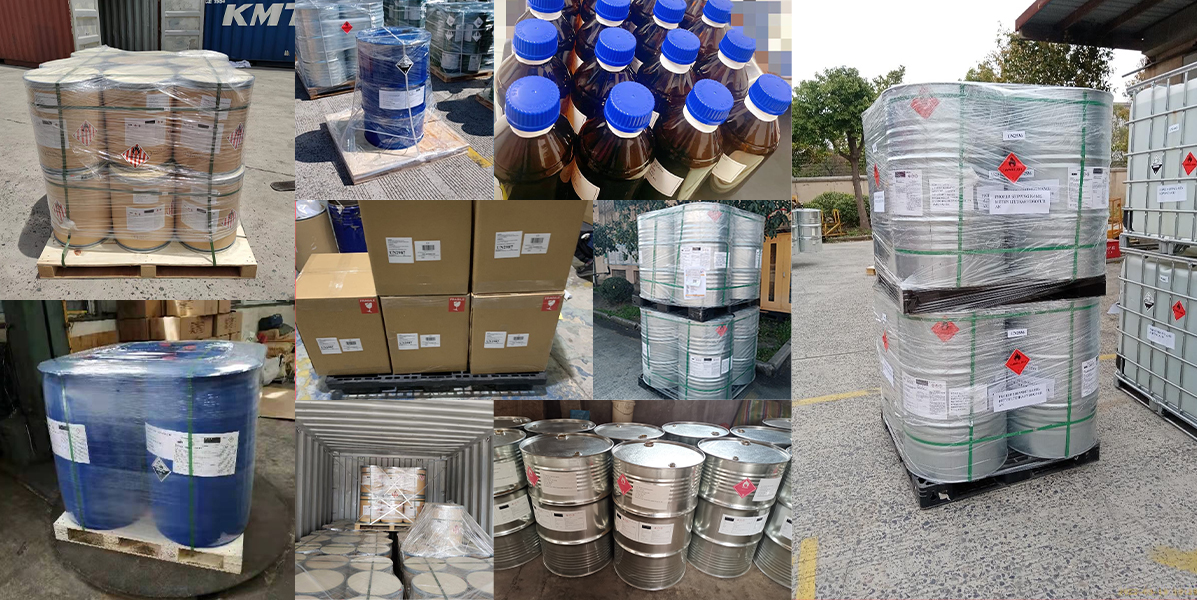
1. 20 years of R&D, manufacturing and sales experience, serving customers in 60 countries and regions around the world;
2. Own R&D laboratory, pilot platform and large-scale production workshop, which can meet the audit requirements of global customers;
3. We can satisfy customers' perfect transition from small scale lab requirements (gram level) to commercialization requirements (hundred tons level).
A: We don't have Minimum Order Quantity, exact quantity should be provided before quotation for us to calculate the exact cost.
A: We don't provide free samples due to lots of request and expensive international courier's cost, we can deduct the sample charge after commercial order placed.
A: Our payment terms: Small or sample order: T/T IN ADVANCE. Commercial order: First order should be by T/T IN ADVANCE or L/C at sight, and following orders T/T 30~90days is acceptable subject to approval of credit application.