
Custom Manufacturing, Project Outsourcing, your Trusted Partner from China
For chemists and formulators in the agrochemical and pharmaceutical industries, understanding the fundamental properties of key intermediates is essential for innovation and efficient production. 5-Methylpyridine-2,3-dicarboxylic acid (CAS 53636-65-0) is one such compound, a versatile pyridine derivative whose unique structure makes it invaluable in various synthetic pathways.
Chemical Structure and Properties
5-Methylpyridine-2,3-dicarboxylic acid possesses the molecular formula C8H7NO4 and a molecular weight of approximately 181.15 g/mol. Its structure features a pyridine ring substituted with a methyl group at the 5-position and two carboxylic acid groups at the 2 and 3 positions. This arrangement of functional groups imparts distinct chemical reactivity. The presence of two carboxylic acid groups makes it a diacid, capable of undergoing esterification, amidation, and salt formation. The pyridine nitrogen can also participate in reactions, influencing the electron distribution and reactivity of the ring system.
Key physical properties include:
These properties are critical for chemists when designing reaction conditions, selecting solvents, and predicting compound behavior during synthesis and formulation. For example, its hydrophilic nature influences solubility and how it might interact in aqueous-based formulations.
Primary Application: Herbicide Intermediate
The most significant industrial application of 5-Methylpyridine-2,3-dicarboxylic acid is its role as a precursor in the synthesis of the herbicide Imazethapyr. The dicarboxylic acid functionality is key to forming the imidazoline ring system characteristic of Imazethapyr and other imidazolinone herbicides. The specific positioning of the methyl group and the carboxylic acids on the pyridine ring dictates the stereochemistry and reactivity required for efficient conversion. When purchasing this chemical, scientists look for high purity (≥99.0%) to ensure optimal reaction efficiency and to avoid the generation of unwanted by-products that could compromise the final herbicide's efficacy or regulatory compliance.
Beyond Herbicides: Potential in Research and Development
While its primary use is in agrochemicals, the unique pyridine dicarboxylic acid structure of 5-Methylpyridine-2,3-dicarboxylic acid also makes it a valuable compound for academic and industrial research. It can serve as a building block for synthesizing novel heterocyclic compounds, ligands for metal complexes, or as a scaffold in medicinal chemistry research. The ability to buy this compound from reliable manufacturers in various quantities allows researchers to explore its full potential without being limited by accessibility.
Understanding the chemical nuances of intermediates like 5-Methylpyridine-2,3-dicarboxylic acid empowers chemists and formulators to develop more effective, sustainable, and cost-efficient solutions in their respective fields. For those looking to buy, partnering with knowledgeable chemical suppliers ensures access to the quality materials needed for cutting-edge innovation.
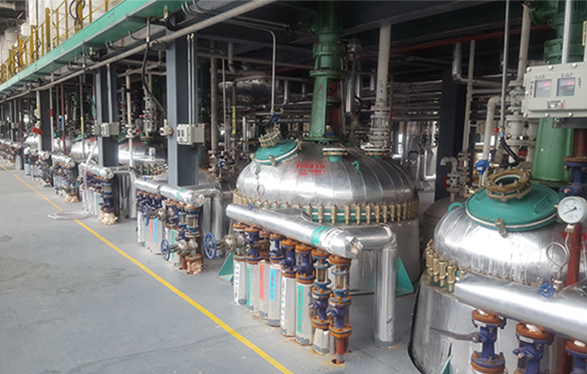
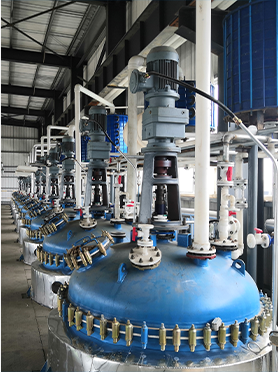
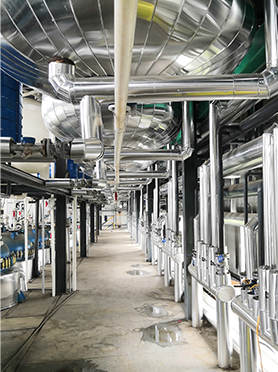
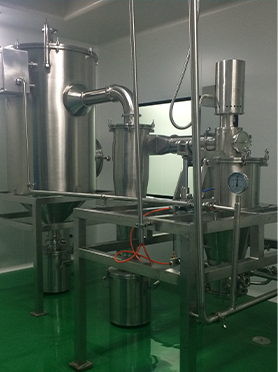
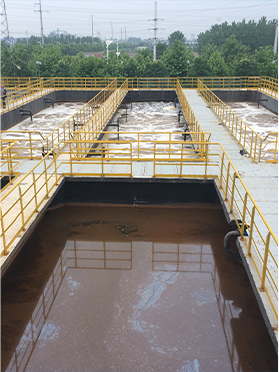
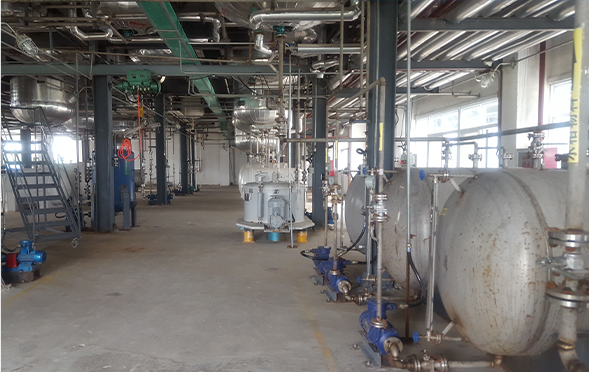
Manufacturing Facilities
Professional Export Experience
to Global Customers
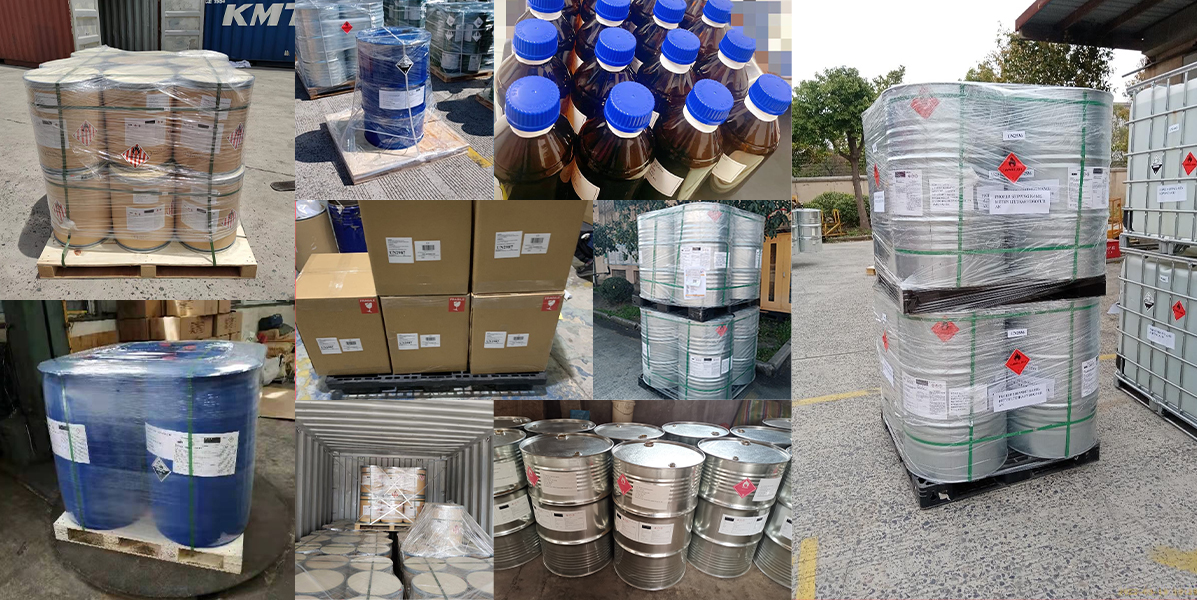
1. 20 years of R&D, manufacturing and sales experience, serving customers in 60 countries and regions around the world;
2. Own R&D laboratory, pilot platform and large-scale production workshop, which can meet the audit requirements of global customers;
3. We can satisfy customers' perfect transition from small scale lab requirements (gram level) to commercialization requirements (hundred tons level).
A: We don't have Minimum Order Quantity, exact quantity should be provided before quotation for us to calculate the exact cost.
A: We don't provide free samples due to lots of request and expensive international courier's cost, we can deduct the sample charge after commercial order placed.
A: Our payment terms: Small or sample order: T/T IN ADVANCE. Commercial order: First order should be by T/T IN ADVANCE or L/C at sight, and following orders T/T 30~90days is acceptable subject to approval of credit application.