
Custom Manufacturing, Project Outsourcing, your Trusted Partner from China
Adipic Acid Dihydrazide (ADH) is more than just a chemical intermediate; it's a molecule with a fascinating chemical structure that underpins its remarkable versatility as a crosslinking agent and curative. Understanding the chemistry behind ADH's functionality is key for formulators looking to harness its full potential in diverse polymer systems.
At its core, ADH is a dihydrazide derived from adipic acid, a six-carbon dicarboxylic acid. Its chemical formula is C6H14N4O2, and it possesses a symmetrical structure with two terminal hydrazide groups (-CONHNH2). These hydrazide groups are the workhorses of ADH's reactivity. The presence of primary amine groups (-NH2) within each hydrazide functionality makes ADH a potent nucleophile.
The primary mode of action for ADH in crosslinking involves reactions with electrophilic functional groups present in polymer chains. The most notable of these reactions include:
Beyond its primary crosslinking reactions, ADH's amine groups can also react with aldehydes, such as formaldehyde. This reaction forms hydrazone derivatives, effectively scavenging free aldehyde and preventing its release. This is a significant secondary application that highlights ADH’s chemical versatility.
The efficiency and outcome of these reactions are influenced by several factors, including temperature, pH, concentration of reactants, and the presence of catalysts. Formulators leverage this chemical understanding to precisely control pot life, cure speed, and the final properties of their products. When considering where to buy Adipic Acid Dihydrazide, seeking a supplier that offers high purity (e.g., ≥99.5% or 99.8% Min.) ensures that the reactive sites are available and unhindered for optimal performance in these complex chemical transformations.
In essence, the chemistry of Adipic Acid Dihydrazide is characterized by the high reactivity of its hydrazide groups. This reactivity allows it to serve as a powerful crosslinking agent and curative across a spectrum of polymer systems, from robust epoxies and durable polyurethanes to resilient acrylic coatings, and even as a safety-enhancing formaldehyde scavenger. Understanding these chemical principles is fundamental for any formulator aiming to maximize the benefits of this indispensable chemical intermediate.
Manufacturing Facilities
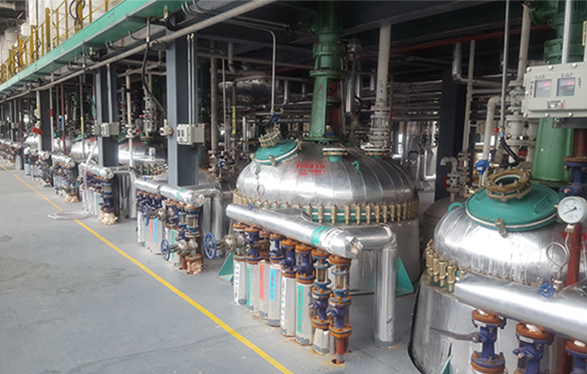
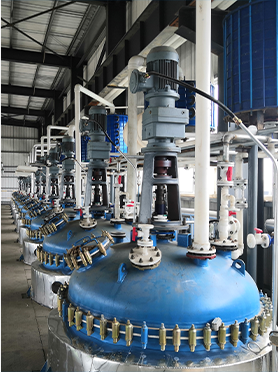
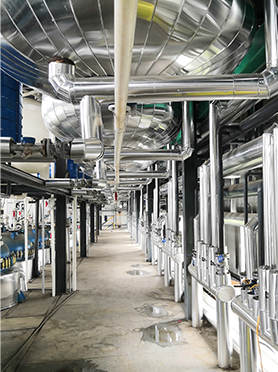
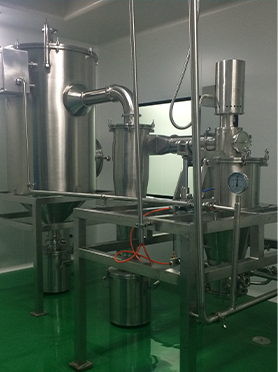
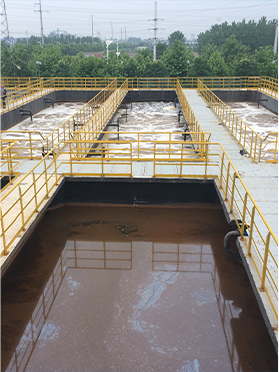
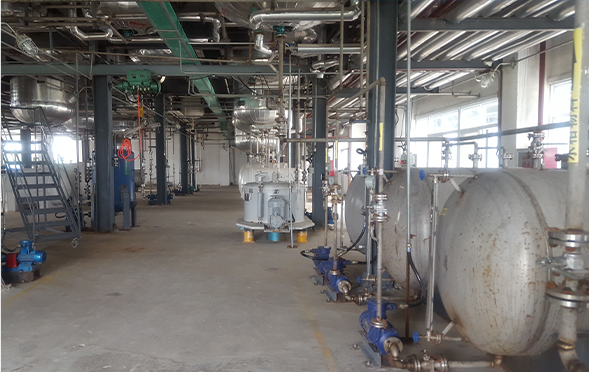
Professional Export Experience
to Global Customers
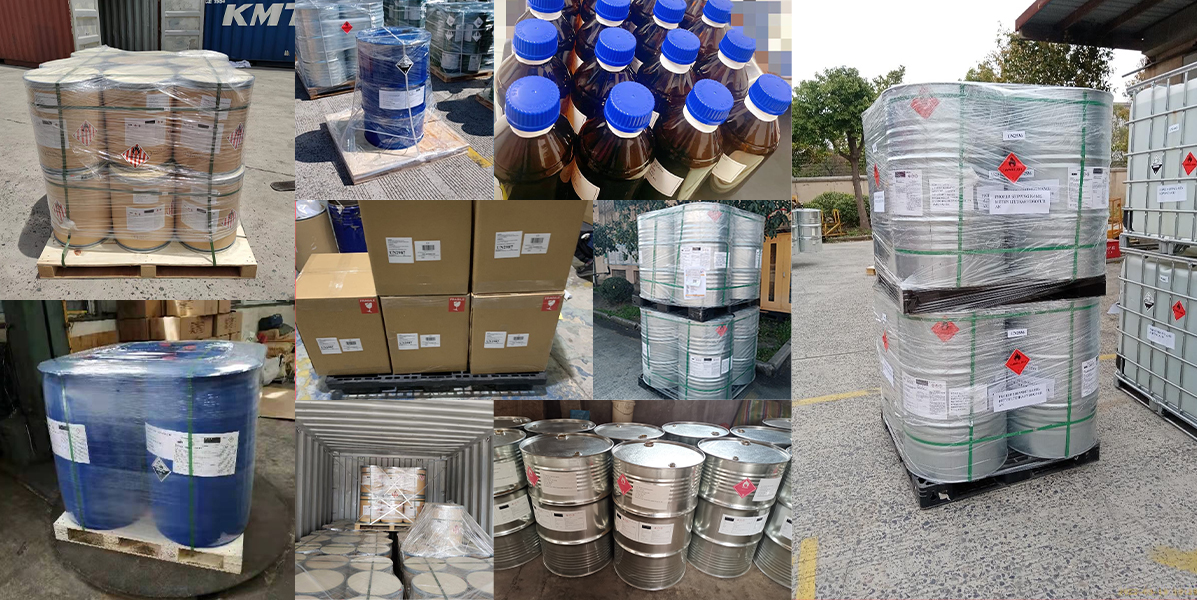
1. 20 years of R&D, manufacturing and sales experience, serving customers in 60 countries and regions around the world;
2. Own R&D laboratory, pilot platform and large-scale production workshop, which can meet the audit requirements of global customers;
3. We can satisfy customers' perfect transition from small scale lab requirements (gram level) to commercialization requirements (hundred tons level).
A: We don't have Minimum Order Quantity, exact quantity should be provided before quotation for us to calculate the exact cost.
A: We don't provide free samples due to lots of request and expensive international courier's cost, we can deduct the sample charge after commercial order placed.
A: Our payment terms: Small or sample order: T/T IN ADVANCE. Commercial order: First order should be by T/T IN ADVANCE or L/C at sight, and following orders T/T 30~90days is acceptable subject to approval of credit application.