
Custom Manufacturing, Project Outsourcing, your Trusted Partner from China
In the realm of material science and manufacturing, achieving exceptional whiteness and brightness is often a key differentiator. Optical brightening agents (OBAs), also known as fluorescent whitening agents (FWAs), are sophisticated chemical compounds designed to achieve this. They leverage the principles of fluorescence to enhance the visual appeal of materials across diverse industries. One such prominent OBA is 1-(2-Cyanostyryl)-4-(4-cyanostyryl)benzene, widely recognized as Fluorescent Brightener ER-II (CAS 13001-38-2). This article explores the underlying chemistry and broad applicability of these agents.
The Science of Fluorescence in OBAs
Optical brighteners function through a phenomenon called fluorescence. When exposed to ultraviolet (UV) light – typically present in daylight – OBAs absorb this invisible UV radiation. They then re-emit this energy as visible light, most commonly in the blue spectrum. This emitted blue light compensates for the yellow cast that many materials naturally possess or develop over time due to degradation. The net effect is a perceived increase in whiteness and brightness, making materials appear cleaner and more vibrant. For instance, when you buy Fluorescent Brightener ER-II, you are investing in this advanced photochemical process.
ER-II: A Versatile Optical Brightener
Fluorescent Brightener ER-II is particularly noted for its effectiveness on synthetic fibers, especially polyester, as well as in applications like coatings and artificial leather. Its molecular structure, C24H16N2, is designed for optimal UV absorption and fluorescence emission. Manufacturers who purchase Fluorescent Brightener ER-II rely on its consistent performance to achieve desired aesthetic qualities in their products. The high purity (often >99%) available from many suppliers ensures that the brightening effect is uniform and free from unwanted colorations.
Industrial Applications and Benefits
The application spectrum for OBAs is wide:
For businesses looking to leverage these benefits, sourcing high-quality OBAs is key. Exploring options from a 'Fluorescent Brightener ER-II manufacturer' or a 'chemical supplier in China' can provide access to advanced formulations and competitive pricing.
Sourcing Strategy for Buyers
When sourcing OBAs like ER-II, buyers should focus on product specifications, supplier reliability, and cost-effectiveness. Understanding the price of 1-(2-Cyanostyryl)-4-(4-cyanostyryl)benzene and the associated quality is crucial. Engaging with well-established chemical companies that provide detailed technical data and responsive customer service ensures a smooth procurement process.
The chemistry behind optical brighteners is a testament to innovation in material science, offering tangible improvements in product appearance and marketability. By understanding their function and sourcing them effectively, manufacturers can significantly enhance their product offerings.
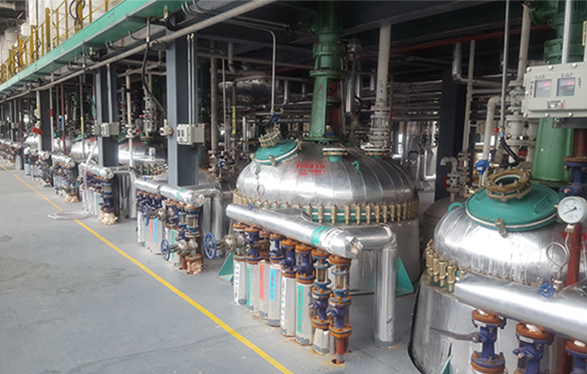
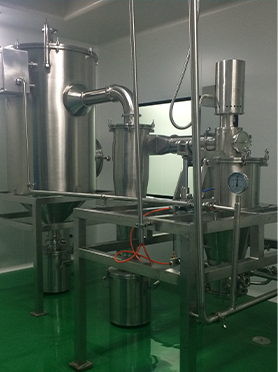
Manufacturing Facilities




Professional Export Experience
to Global Customers
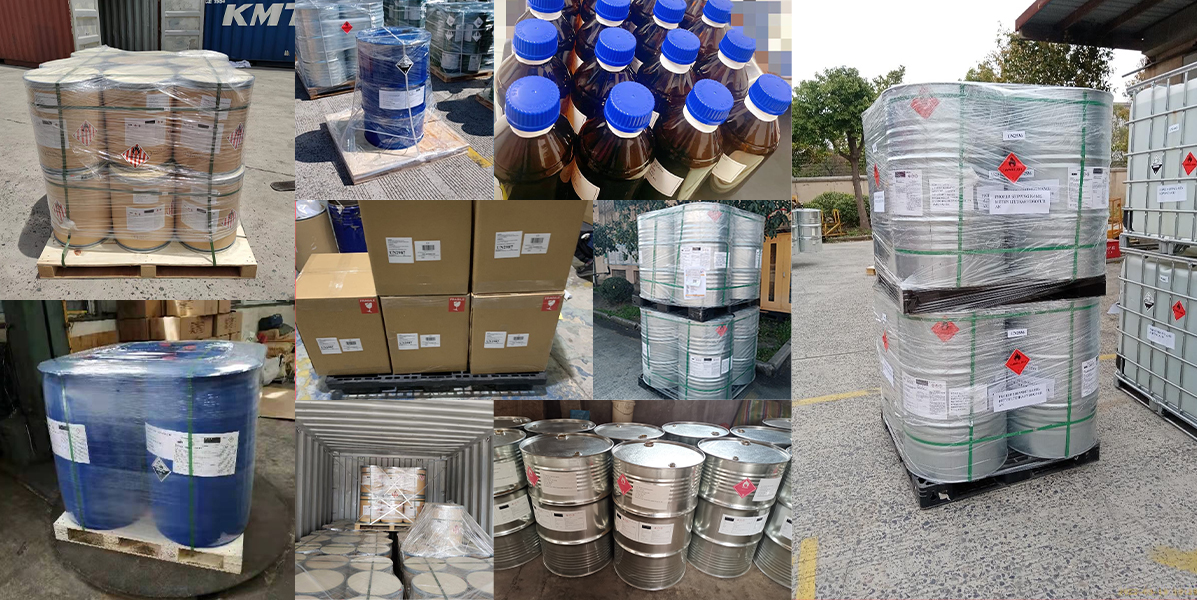
1. 20 years of R&D, manufacturing and sales experience, serving customers in 60 countries and regions around the world;
2. Own R&D laboratory, pilot platform and large-scale production workshop, which can meet the audit requirements of global customers;
3. We can satisfy customers' perfect transition from small scale lab requirements (gram level) to commercialization requirements (hundred tons level).
A: We don't have Minimum Order Quantity, exact quantity should be provided before quotation for us to calculate the exact cost.
A: We don't provide free samples due to lots of request and expensive international courier's cost, we can deduct the sample charge after commercial order placed.
A: Our payment terms: Small or sample order: T/T IN ADVANCE. Commercial order: First order should be by T/T IN ADVANCE or L/C at sight, and following orders T/T 30~90days is acceptable subject to approval of credit application.