
Custom Manufacturing, Project Outsourcing, your Trusted Partner from China
The vibrant and captivating displays that define our modern digital world are often powered by Organic Light-Emitting Diodes (OLEDs). At the heart of this technology lies a complex interplay of specialized organic molecules, each meticulously designed to perform specific functions. Tetra-(4-pyridylphenyl)ethylene, identified by its CAS number 1227195-24-5, is one such critical component that contributes significantly to the performance and efficiency of OLED devices. For chemists, material scientists, and procurement professionals, understanding its chemical essence is key.
Deciphering the Structure and Properties
Tetra-(4-pyridylphenyl)ethylene is an organic compound with the molecular formula C46H32N4 and a molecular weight of 640.77 g/mol. Its structure is characterized by a central ethene unit, which is tetra-substituted with phenyl rings, each bearing a pyridine group at the para position. This architecture results in an extended conjugated pi-electron system, which is fundamental to its optoelectronic properties. Typically supplied as an off-white powder with a high purity (minimum 97%), its solid form and stability are advantageous for processing in device fabrication.
The Chemical Function in OLED Layers
Within the multi-layered structure of an OLED, Tetra-(4-pyridylphenyl)ethylene can play several vital roles, leveraging its specific chemical and electronic characteristics:
The combination of good electron mobility, potential for hole blocking, and suitable energy levels makes Tetra-(4-pyridylphenyl)ethylene a versatile tool for OLED engineers aiming to optimize device performance. Its contribution to charge balance and confinement directly impacts brightness, power efficiency, and the operational lifespan of OLED displays.
Sourcing and Supply Chain Insights
For companies involved in the manufacturing of OLED panels or the research and development of new display materials, securing a reliable supply of high-quality Tetra-(4-pyridylphenyl)ethylene is essential. Leading chemical manufacturers, particularly those based in China, specialize in producing such advanced organic materials. When looking to purchase, buyers should seek out suppliers who can demonstrate:
When searching for a supplier, using terms such as 'buy OLED material China,' 'CAS 1227195-24-5 manufacturer,' or 'high purity organic electronic chemicals' will help identify potential partners. We pride ourselves on being a leading supplier, offering the chemical expertise and reliable product supply needed to drive the future of display technology.
Conclusion
Tetra-(4-pyridylphenyl)ethylene (CAS 1227195-24-5) is a prime example of how precisely engineered organic molecules are transforming technological landscapes. Its chemical structure is meticulously designed to fulfill critical roles in OLED devices, contributing to the stunning visual experiences we enjoy today. By partnering with manufacturers who understand its chemistry and can deliver it with unwavering quality and consistency, the industry can continue to push the boundaries of what is possible in electronic displays.
Manufacturing Facilities
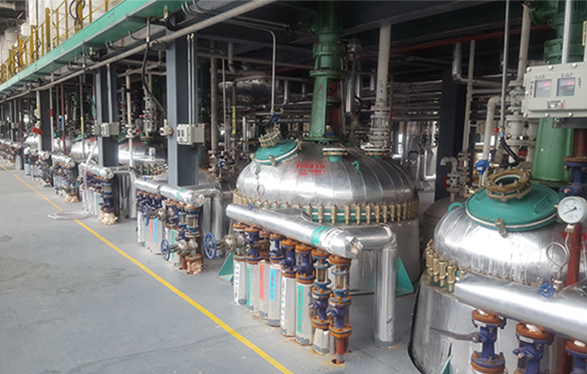
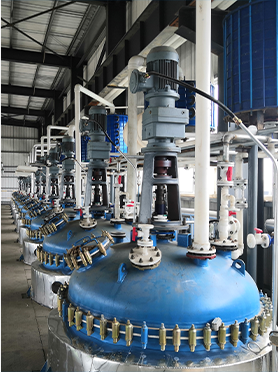
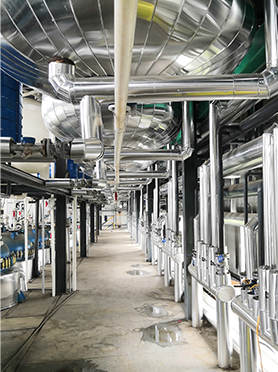
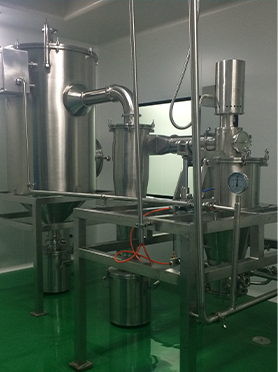
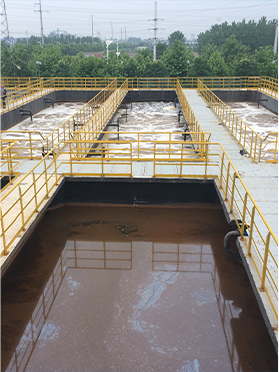
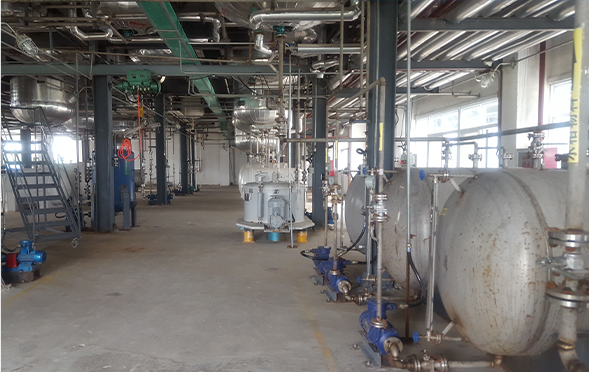
Professional Export Experience
to Global Customers
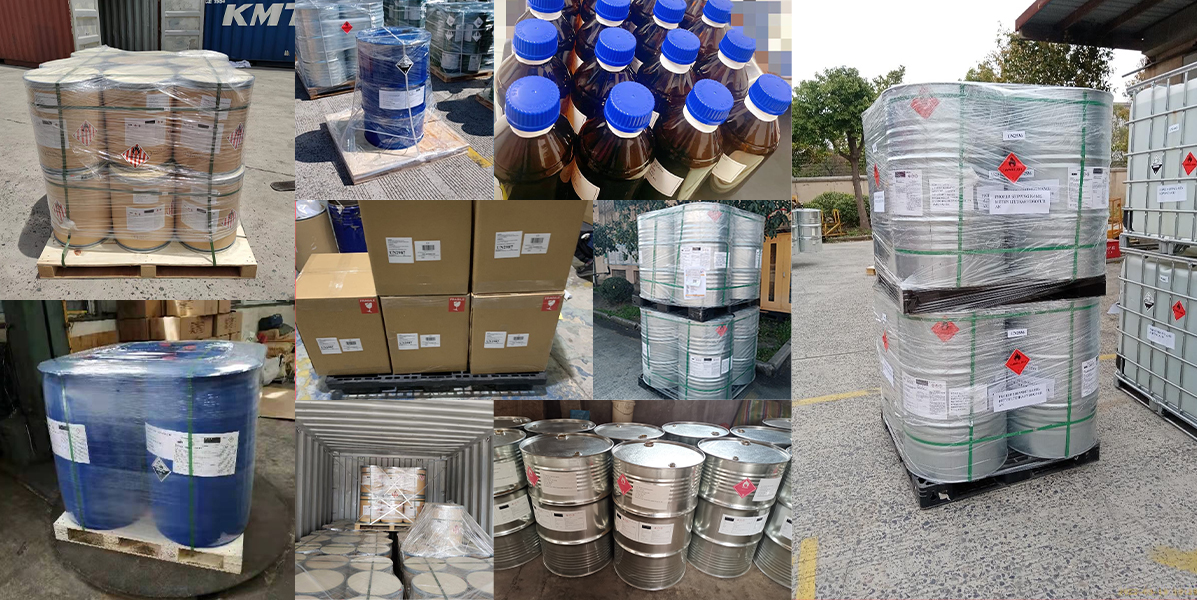
1. 20 years of R&D, manufacturing and sales experience, serving customers in 60 countries and regions around the world;
2. Own R&D laboratory, pilot platform and large-scale production workshop, which can meet the audit requirements of global customers;
3. We can satisfy customers' perfect transition from small scale lab requirements (gram level) to commercialization requirements (hundred tons level).
A: We don't have Minimum Order Quantity, exact quantity should be provided before quotation for us to calculate the exact cost.
A: We don't provide free samples due to lots of request and expensive international courier's cost, we can deduct the sample charge after commercial order placed.
A: Our payment terms: Small or sample order: T/T IN ADVANCE. Commercial order: First order should be by T/T IN ADVANCE or L/C at sight, and following orders T/T 30~90days is acceptable subject to approval of credit application.