
Custom Manufacturing, Project Outsourcing, your Trusted Partner from China
In the realm of polymer science and chemical synthesis, functional monomers are the indispensable building blocks that enable the creation of materials with tailored properties. Lauryl Methacrylate (LMA) stands out as a prime example of such a monomer, offering a unique chemical structure that lends itself to a wide array of advanced applications. For R&D scientists and product formulators, a deep understanding of LMA's chemistry is key to unlocking its full potential.
Unpacking the Structure of Lauryl Methacrylate
Lauryl Methacrylate, with the CAS number 142-90-5, is an ester formed from methacrylic acid and lauryl alcohol. Its chemical formula is C16H30O2. The molecule comprises two key functional parts: the methacrylate group (CH2=C(CH3)COO-) and a long, linear C12 hydrocarbon chain (the lauryl group). The methacrylate group is highly reactive, readily participating in free-radical polymerization reactions. This inherent reactivity is what makes LMA a valuable monomer for creating polymers and copolymers.
The presence of the long lauryl chain significantly influences the properties of polymers derived from LMA. This hydrophobic, flexible chain contributes to:
Understanding this structure-property relationship is vital for scientists looking to buy Lauryl Methacrylate for specific polymer development projects.
Polymerization and Reactivity of LMA
LMA undergoes free-radical polymerization, a common mechanism for vinyl monomers. This process can be initiated by various means, including thermal initiators (like peroxides) or photoinitiators. The polymerization rate and the resulting polymer's molecular weight can be controlled by adjusting initiator concentration, temperature, and monomer ratios. LMA can form homopolymers (poly(lauryl methacrylate)) or be copolymerized with a wide range of other monomers. This copolymerization capability allows for the fine-tuning of material properties, opening up a vast landscape for innovation. For researchers and formulators, identifying a reliable manufacturer that supplies high-purity LMA (min. 98.0%) is essential for predictable polymerization outcomes.
Applications Driven by Chemistry
The chemical characteristics of LMA directly lead to its primary applications:
When considering the price of Lauryl Methacrylate, remember that its value is derived from its specific chemical structure and reactivity, enabling it to perform critical functions in high-value applications.
For those looking to purchase Lauryl Methacrylate, engaging with a reputable supplier who understands the chemical nuances of this monomer is crucial. A good supplier will provide not just the product but also the technical support needed to leverage its chemical properties effectively. As a leading chemical provider, we are dedicated to supplying high-quality LMA to fuel your research and production needs.
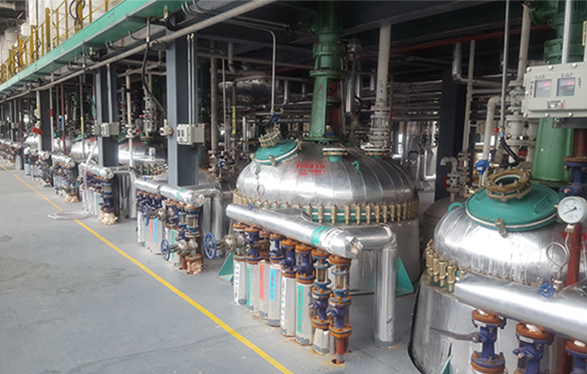
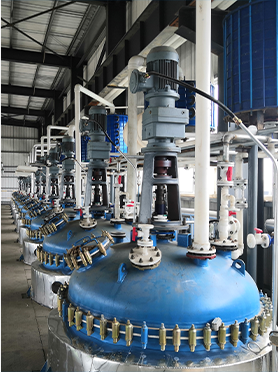
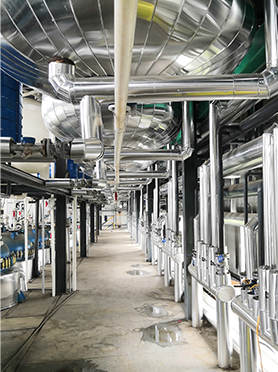
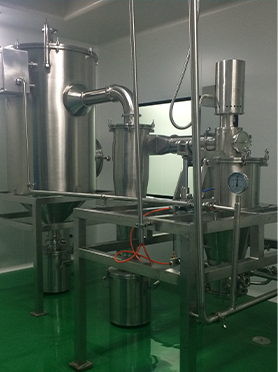
Manufacturing Facilities
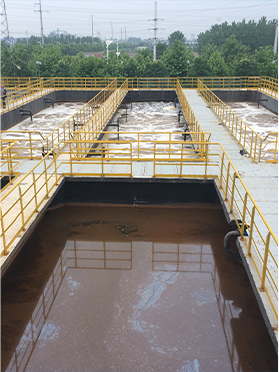
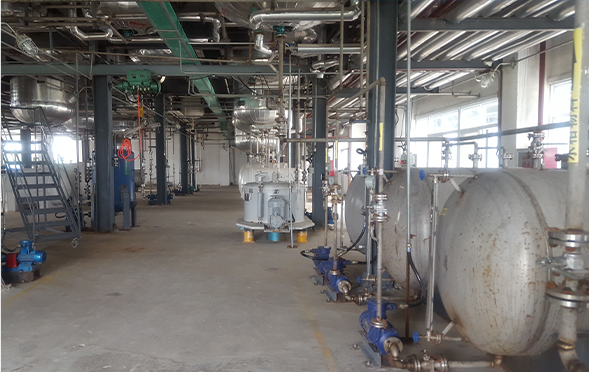
Professional Export Experience
to Global Customers
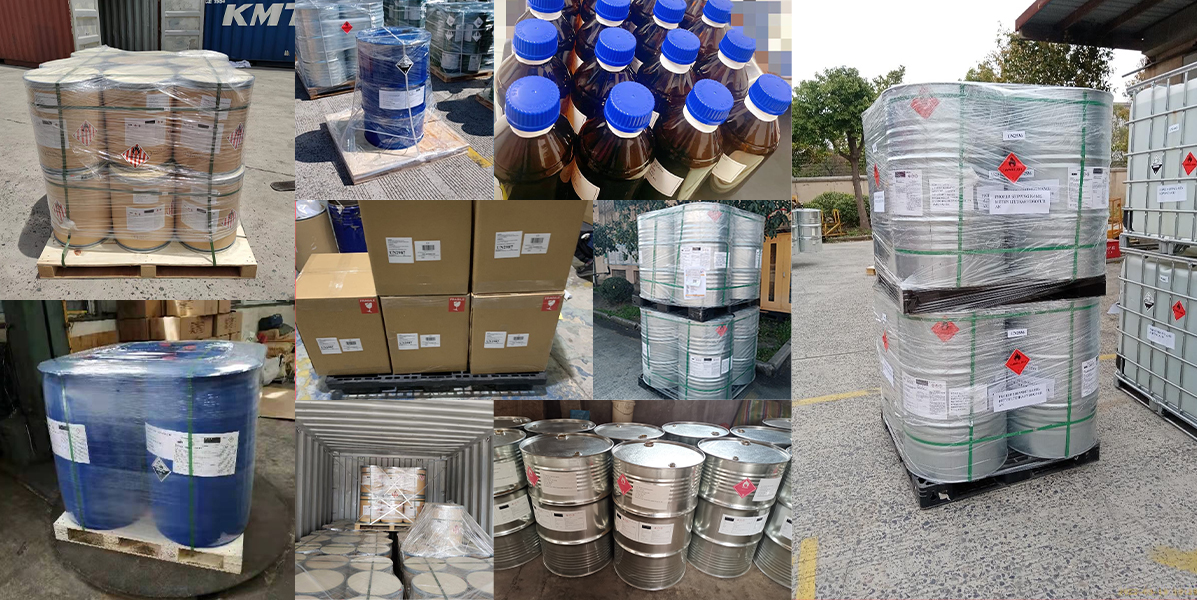
1. 20 years of R&D, manufacturing and sales experience, serving customers in 60 countries and regions around the world;
2. Own R&D laboratory, pilot platform and large-scale production workshop, which can meet the audit requirements of global customers;
3. We can satisfy customers' perfect transition from small scale lab requirements (gram level) to commercialization requirements (hundred tons level).
A: We don't have Minimum Order Quantity, exact quantity should be provided before quotation for us to calculate the exact cost.
A: We don't provide free samples due to lots of request and expensive international courier's cost, we can deduct the sample charge after commercial order placed.
A: Our payment terms: Small or sample order: T/T IN ADVANCE. Commercial order: First order should be by T/T IN ADVANCE or L/C at sight, and following orders T/T 30~90days is acceptable subject to approval of credit application.