
Custom Manufacturing, Project Outsourcing, your Trusted Partner from China
The world of polymer chemistry is intricate, with crosslinking agents playing a pivotal role in transforming raw polymers into materials with tailored mechanical and thermal properties. Two prominent peroxides used for this purpose are Dicumyl Peroxide (DCP) and Bis(tert-butylperoxy-isopropyl)benzene (BIPB). While both function as effective free-radical initiators for crosslinking, they differ significantly in their chemical structure, decomposition characteristics, and crucially, their odor profile. Understanding these differences is vital for chemists and formulators seeking to optimize their material development. As a leading manufacturer and supplier in China, we are deeply invested in the chemistry that drives innovation. If you're looking to understand the nuances of these agents before you buy BIPB, this comparison is for you.
Dicumyl Peroxide (DCP): The Traditional Workhorse
DCP, chemically known as 2,2-bis(cumylperoxy)propane, is a widely used organic peroxide initiator. Its primary mechanism involves thermal decomposition at elevated temperatures to generate free radicals. These radicals abstract hydrogen atoms from the polymer chains, creating polymer radicals that then combine to form crosslinks. DCP is effective in a variety of polymers, including PE, PP, EPDM, and EVA. However, its decomposition products include cumyl alcohol and acetophenone, which are volatile and contribute to the characteristic, often unpleasant, odor associated with its use. This odor can be a significant drawback in many applications, particularly those involving consumer contact.
BIPB: The Advanced, Odorless Alternative
BIPB, or 1,3-Bis(tert-butylperoxyisopropyl)benzene (C20H34O4, CAS: 2212-81-9), is a more complex molecule designed for enhanced performance. Its structure features two tert-butylperoxyisopropyl groups attached to a benzene ring. Upon thermal decomposition, BIPB also generates free radicals that initiate crosslinking. A key difference lies in the nature of its decomposition products. BIPB is designed to decompose into relatively stable, less volatile, and essentially odorless fragments. This makes it a superior choice for applications where odor is a critical factor, such as in the footwear industry or sensitive polymer applications. The efficiency of BIPB in generating crosslinks is also notable, often requiring a lower dosage than DCP to achieve similar or superior results.
Mechanism of Action: Free Radical Initiation
Both DCP and BIPB operate via a free-radical mechanism. The general pathway involves:
The specific rate of decomposition, influenced by factors like temperature and half-life, dictates the processing window and curing efficiency. BIPB's tailored decomposition profile often allows for a broader processing temperature range and more controlled curing.
Why the Shift Towards BIPB?
The industry's move towards BIPB is driven by several factors:
As a leading manufacturer in China, we are committed to providing advanced chemical solutions. Our high-quality BIPB offers a compelling blend of performance and processing advantages. When considering your next batch, ensure you discuss the BIPB crosslinking agent price and compare it against the total value proposition, including odor reduction and efficiency gains.
For formulators and chemists looking to upgrade their materials and processes, understanding the chemical distinctions between DCP and BIPB is crucial. We invite you to contact us to learn more about BIPB and how it can benefit your specific applications.
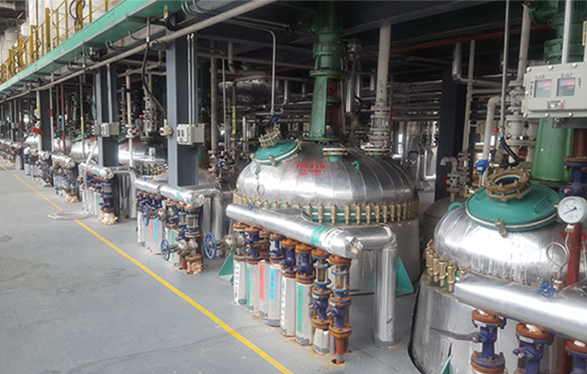
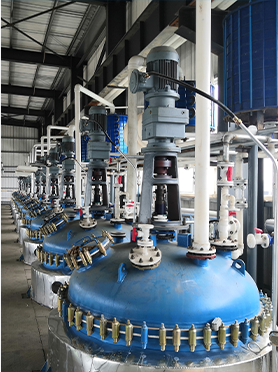
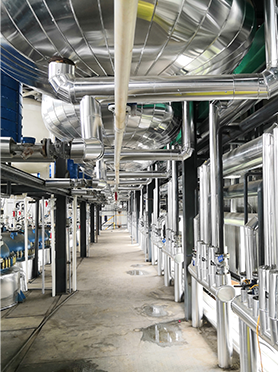
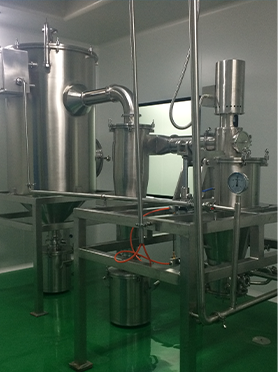
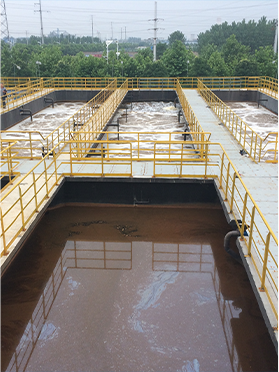
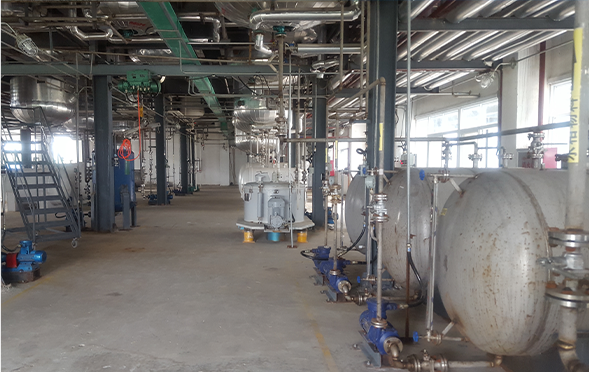
Manufacturing Facilities
Professional Export Experience
to Global Customers
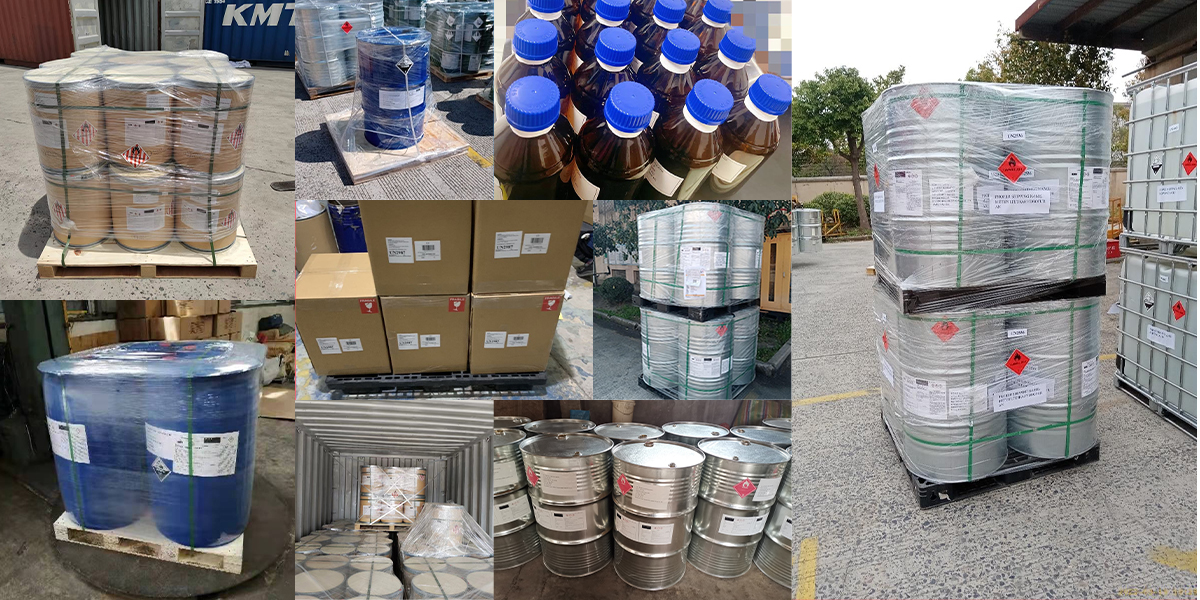
1. 20 years of R&D, manufacturing and sales experience, serving customers in 60 countries and regions around the world;
2. Own R&D laboratory, pilot platform and large-scale production workshop, which can meet the audit requirements of global customers;
3. We can satisfy customers' perfect transition from small scale lab requirements (gram level) to commercialization requirements (hundred tons level).
A: We don't have Minimum Order Quantity, exact quantity should be provided before quotation for us to calculate the exact cost.
A: We don't provide free samples due to lots of request and expensive international courier's cost, we can deduct the sample charge after commercial order placed.
A: Our payment terms: Small or sample order: T/T IN ADVANCE. Commercial order: First order should be by T/T IN ADVANCE or L/C at sight, and following orders T/T 30~90days is acceptable subject to approval of credit application.