
Custom Manufacturing, Project Outsourcing, your Trusted Partner from China
For chemical engineers, R&D scientists, and procurement specialists, understanding the 'how' and 'why' behind an ingredient's performance is crucial. Tetrasodium Glutamate Diacetate (GLDA-4NA), identified by CAS number 51981-21-6, is a highly effective chelating agent gaining prominence for its unique chemistry and broad applicability. As a leading supplier of specialty chemicals from China, we aim to provide deep insights into the molecular mechanisms that make GLDA-4NA so versatile.
The Fundamentals of Chelation
Chelation is a chemical process where a molecule, known as a ligand, binds to a central metal ion to form a coordination complex. Chelating agents, like GLDA-4NA, are typically multidentate ligands, meaning they have multiple points of attachment (ligating atoms) that can bind to a single metal ion. This forms a stable, ring-like structure called a chelate. The stability of a chelate complex depends on factors like the nature of the metal ion, the ligand structure, and the pH of the solution. The greater the number of potential ligating sites and the stronger the affinity for the metal ion, the more stable the complex.
GLDA-4NA's Molecular Advantage
GLDA-4NA is derived from L-glutamic acid, modified with two carboxymethyl groups and neutralized into its tetrasodium salt. Its chemical name is Tetrasodium N,N-bis(carboxylatomethyl)-L-glutamate. The structure features:
These three carboxylate groups and the amino nitrogen atom provide multiple potential ligating sites that can coordinate with a single metal ion. This multidentate structure allows GLDA-4NA to form highly stable chelate complexes, particularly with divalent and trivalent metal cations like Ca²⁺, Mg²⁺, Fe³⁺, Cu²⁺, and Zn²⁺.
Key Chemical Properties Driving Performance:
Mechanism in Action: Examples
Understanding the chemistry of GLDA-4NA highlights its effectiveness and versatility. As a manufacturer and supplier, we are committed to providing detailed technical information to help you leverage its unique properties. If you are looking to purchase Tetrasodium Glutamate Diacetate and require expert insights or reliable supply from China, contact us to learn more.
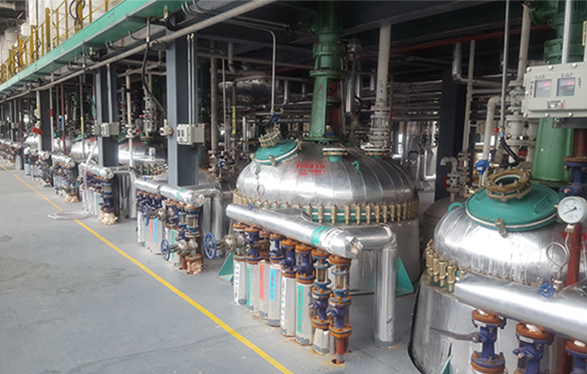
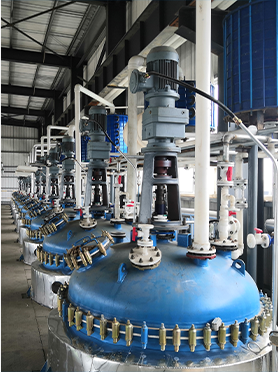
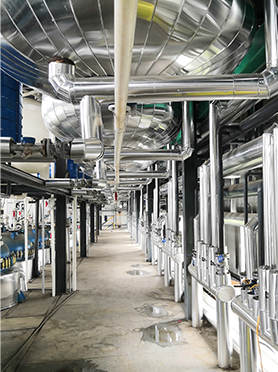
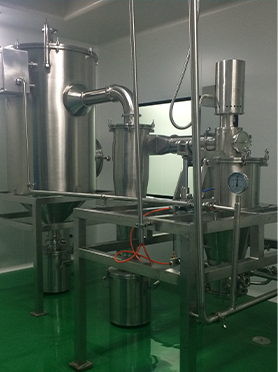
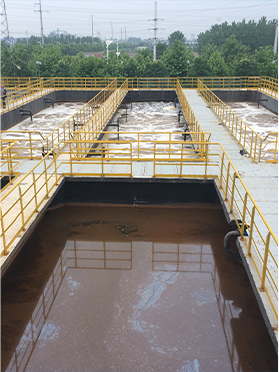
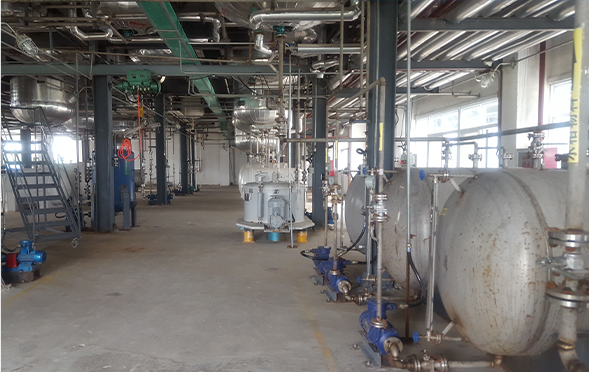
Manufacturing Facilities
Professional Export Experience
to Global Customers
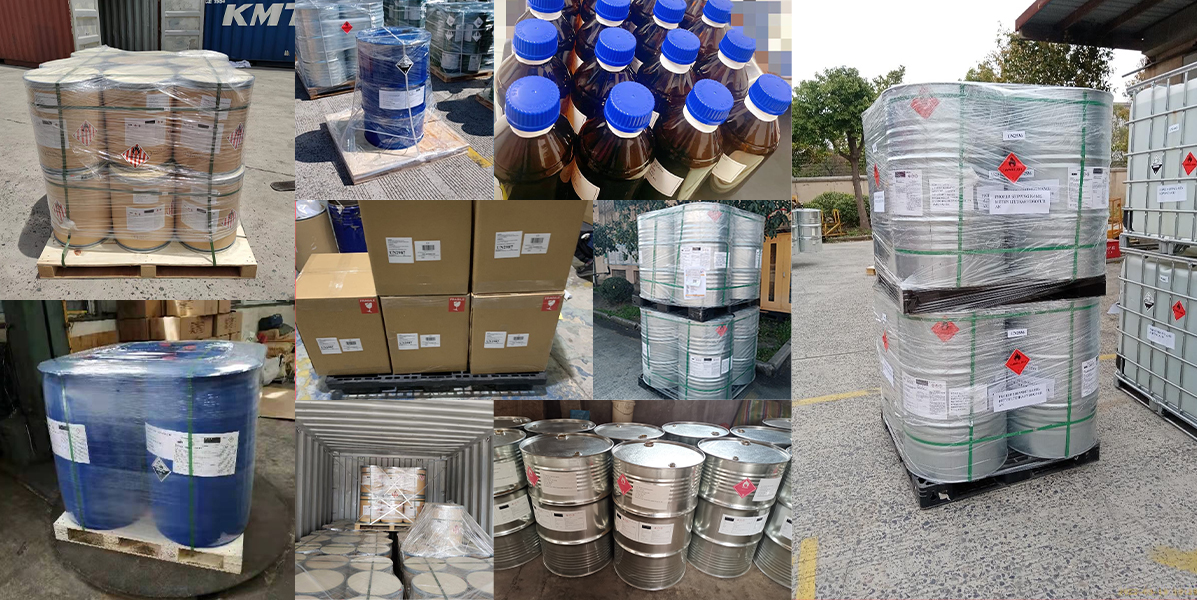
1. 20 years of R&D, manufacturing and sales experience, serving customers in 60 countries and regions around the world;
2. Own R&D laboratory, pilot platform and large-scale production workshop, which can meet the audit requirements of global customers;
3. We can satisfy customers' perfect transition from small scale lab requirements (gram level) to commercialization requirements (hundred tons level).
A: We don't have Minimum Order Quantity, exact quantity should be provided before quotation for us to calculate the exact cost.
A: We don't provide free samples due to lots of request and expensive international courier's cost, we can deduct the sample charge after commercial order placed.
A: Our payment terms: Small or sample order: T/T IN ADVANCE. Commercial order: First order should be by T/T IN ADVANCE or L/C at sight, and following orders T/T 30~90days is acceptable subject to approval of credit application.