
Custom Manufacturing, Project Outsourcing, your Trusted Partner from China
In the realm of fine chemicals and pharmaceutical intermediates, understanding the synthesis, properties, and handling of key compounds is critical for industrial application and research success. 3-Thiopheneboronic Acid (CAS: 6165-69-1) is one such compound, valued for its versatility in organic synthesis. This article provides an in-depth look at its chemical nature, common synthesis routes, and essential handling guidelines, offering insights from leading manufacturers and suppliers.
Understanding the Chemical Structure and Properties
3-Thiopheneboronic Acid (C4H5BO2S) is an organoboron compound featuring a thiophene ring connected to a boronic acid group at the 3-position. Its molecular weight is approximately 127.96 g/mol. As a solid, it typically appears as a white to light yellow crystalline powder, with a melting point between 164-169°C. The presence of the boronic acid moiety makes it highly reactive in palladium-catalyzed cross-coupling reactions, enabling efficient formation of carbon-carbon bonds.
Synthesis Pathways for 3-Thiopheneboronic Acid
The synthesis of 3-Thiopheneboronic Acid often involves lithiation of 3-bromothiophene followed by reaction with a trialkyl borate, and subsequent hydrolysis. A common industrial approach:
This method is widely adopted by chemical manufacturers due to its efficiency and scalability. However, careful control of reaction temperature and moisture is crucial to optimize yield and purity. When you buy this intermediate, knowing its synthesis helps appreciate its quality.
Safe Handling and Storage Practices
As with any chemical intermediate, proper handling and storage of 3-Thiopheneboronic Acid are essential to ensure safety and maintain product integrity:
Sourcing from Reliable Suppliers
Procuring 3-Thiopheneboronic Acid from reputable sources ensures you receive a product that meets your specifications and adheres to safety standards. Leading manufacturers and suppliers in China, such as Ningbo Inno Pharmchem Co., Ltd., are equipped with the technical expertise and quality control systems to provide this compound reliably. Understanding the synthesis and handling best practices also helps in negotiating the best price and ensuring product efficacy for your industrial needs.
In conclusion, the synthesis and careful handling of 3-Thiopheneboronic Acid are fundamental to its successful application in various chemical processes. By collaborating with knowledgeable manufacturers and adhering to safety protocols, industries can effectively leverage the chemical potential of this important intermediate.
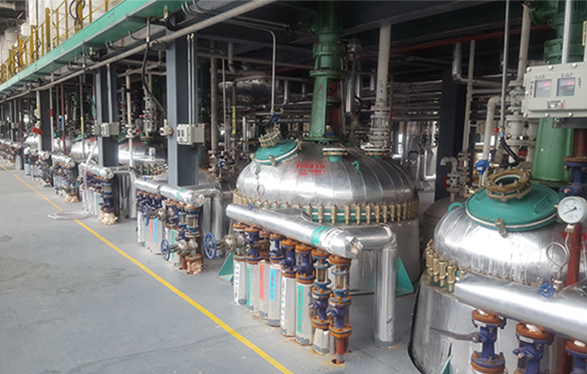
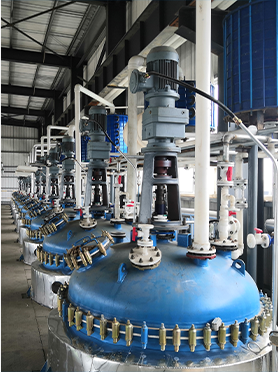
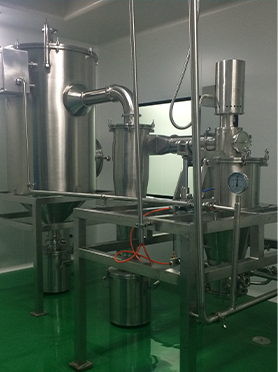
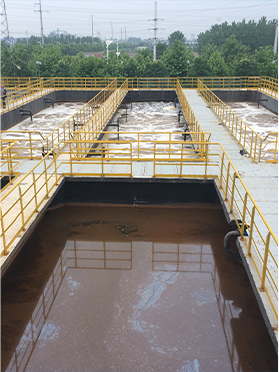
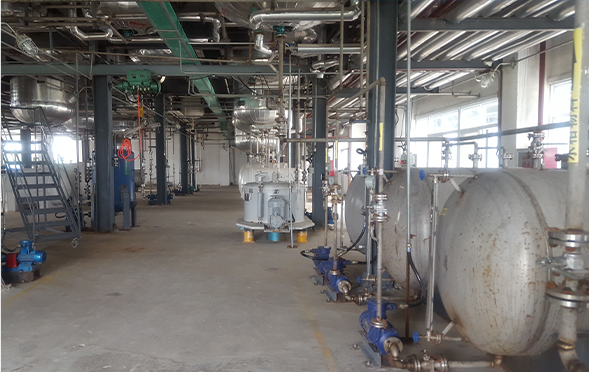
Manufacturing Facilities

Professional Export Experience
to Global Customers
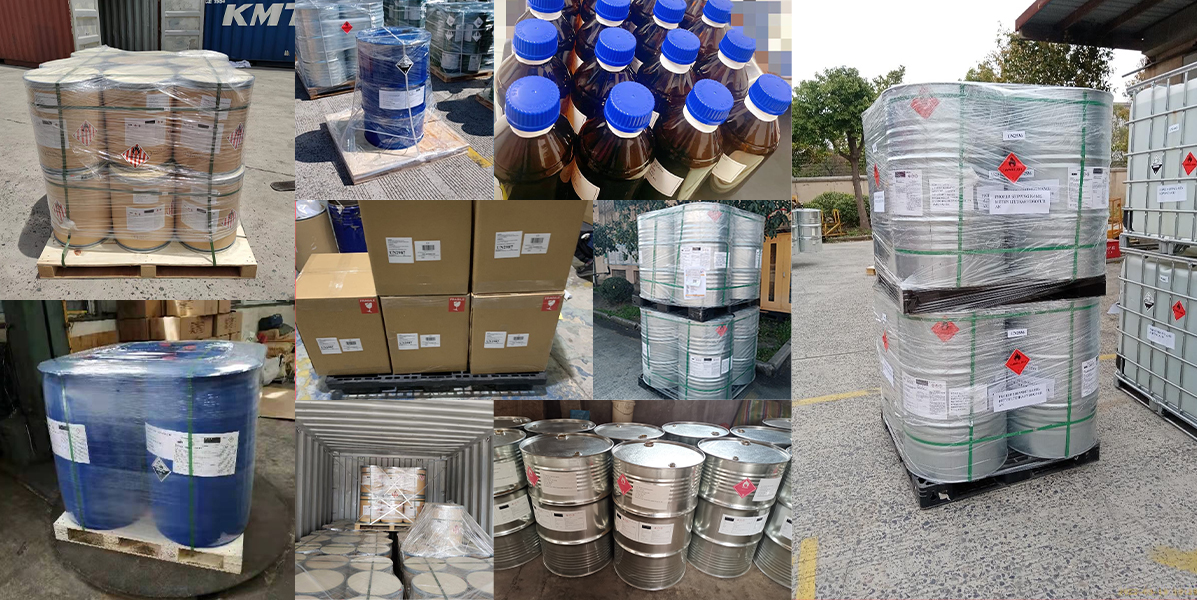
1. 20 years of R&D, manufacturing and sales experience, serving customers in 60 countries and regions around the world;
2. Own R&D laboratory, pilot platform and large-scale production workshop, which can meet the audit requirements of global customers;
3. We can satisfy customers' perfect transition from small scale lab requirements (gram level) to commercialization requirements (hundred tons level).
A: We don't have Minimum Order Quantity, exact quantity should be provided before quotation for us to calculate the exact cost.
A: We don't provide free samples due to lots of request and expensive international courier's cost, we can deduct the sample charge after commercial order placed.
A: Our payment terms: Small or sample order: T/T IN ADVANCE. Commercial order: First order should be by T/T IN ADVANCE or L/C at sight, and following orders T/T 30~90days is acceptable subject to approval of credit application.