
Custom Manufacturing, Project Outsourcing, your Trusted Partner from China
At the heart of the extensive world of silicones lies a fascinating chemical process: the polymerization of cyclic siloxanes, primarily Octamethylcyclotetrasiloxane (D4, CAS 556-67-2). This seemingly simple cyclic molecule is the cornerstone upon which a vast array of high-performance materials are built, impacting industries from automotive and aerospace to personal care and electronics.
D4, a colorless, transparent liquid, is characterized by its repeating unit of dimethylsiloxy [(CH3)2SiO]. The magic happens when these cyclic structures are opened and linked together to form long polymer chains, known as polydimethylsiloxanes (PDMS). This ring-opening polymerization can be catalyzed by either acids or bases.
Acid-Catalyzed Polymerization: In the presence of an acid catalyst, such as trifluoromethanesulfonic acid, the Si-O bonds within the D4 ring are cleaved. This creates reactive silanol (Si-OH) or siloxonium ion intermediates that can then react with other D4 molecules. This process leads to the formation of linear silicone polymers. The length of these polymer chains, and thus the viscosity of the resulting silicone fluid, can be controlled by adjusting reaction conditions, including catalyst concentration and reaction time. These linear PDMS chains are the foundation for silicone oils, which find applications as lubricants, hydraulic fluids, and heat transfer media.
Base-Catalyzed Polymerization: Alternatively, a base catalyst, like potassium hydroxide or potassium silanolate, can initiate the polymerization. This mechanism typically involves the formation of silanolate anions, which then attack the silicon atoms of other D4 molecules, leading to chain extension. Base-catalyzed polymerization is often favored for producing higher molecular weight silicones, including the precursors for silicone rubbers and resins.
Controlling Molecular Weight and Properties: The final properties of the silicone material are highly dependent on the average molecular weight and the structure of the polymer chains. For instance, shorter PDMS chains result in low-viscosity silicone oils, while longer chains create viscous fluids. To create silicone rubbers, the PDMS chains are typically cross-linked. This cross-linking process involves introducing specific functional groups onto the polymer chains (often through the use of end-blocking agents or co-polymerization with silanes containing reactive groups) and then reacting them with a cross-linking agent to form a three-dimensional network.
Silicone resins, on the other hand, are often formed from more complex siloxane structures, which can be achieved by co-polymerizing D4 with other cyclic or linear siloxanes containing different functional groups, such as phenyl or vinyl groups, or by using silanes with multiple reactive sites. This allows for the creation of rigid, heat-resistant materials.
The ability to precisely control the polymerization of Octamethylcyclotetrasiloxane is what makes it such a vital intermediate. Manufacturers who can expertly manage these chemical processes offer a significant advantage to industries requiring tailored silicone solutions. Understanding this fundamental chemistry empowers formulators to select the right silicone intermediates and achieve desired performance characteristics in their final products.
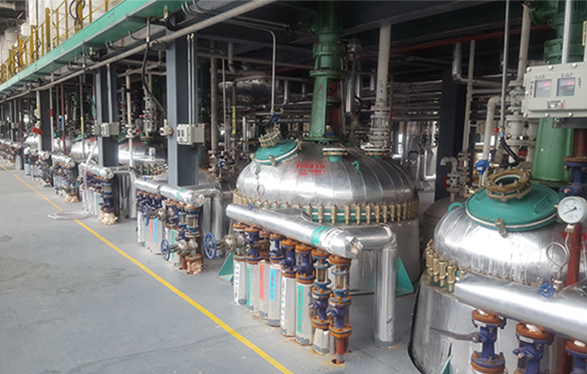
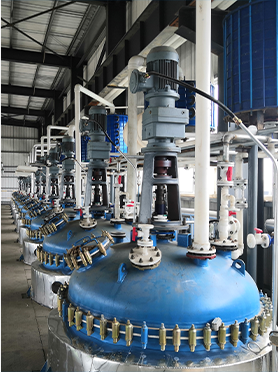
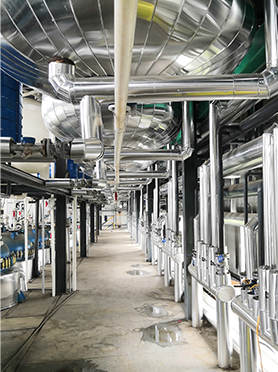
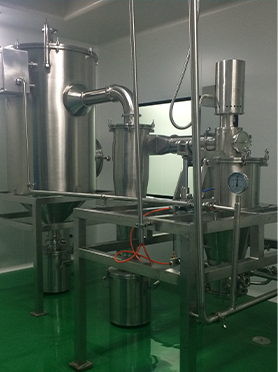
Manufacturing Facilities
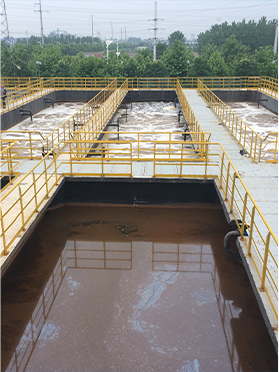
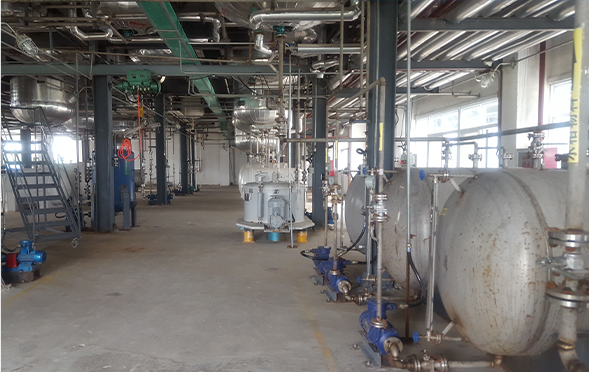
Professional Export Experience
to Global Customers
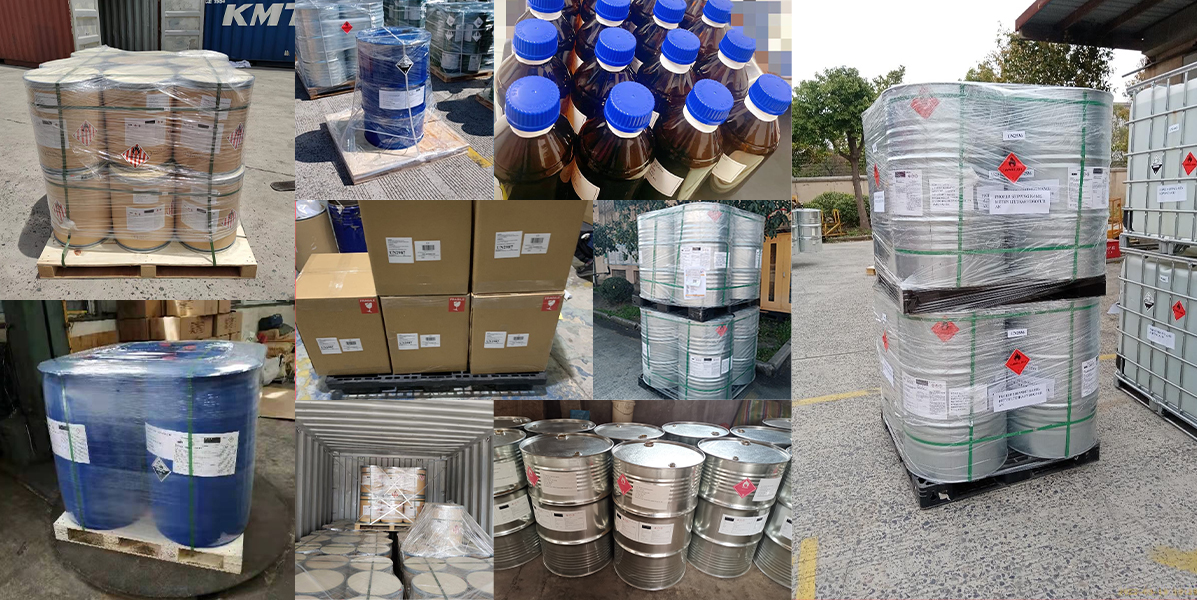
1. 20 years of R&D, manufacturing and sales experience, serving customers in 60 countries and regions around the world;
2. Own R&D laboratory, pilot platform and large-scale production workshop, which can meet the audit requirements of global customers;
3. We can satisfy customers' perfect transition from small scale lab requirements (gram level) to commercialization requirements (hundred tons level).
A: We don't have Minimum Order Quantity, exact quantity should be provided before quotation for us to calculate the exact cost.
A: We don't provide free samples due to lots of request and expensive international courier's cost, we can deduct the sample charge after commercial order placed.
A: Our payment terms: Small or sample order: T/T IN ADVANCE. Commercial order: First order should be by T/T IN ADVANCE or L/C at sight, and following orders T/T 30~90days is acceptable subject to approval of credit application.