
Custom Manufacturing, Project Outsourcing, your Trusted Partner from China
Polyurethanes (PU) are a highly versatile class of polymers formed through the reaction of polyols and diisocyanates. At the heart of many flexible polyurethane applications lies Toluene Diisocyanate (TDI), a critical chemical intermediate. Understanding the chemistry of TDI and its role in polyurethane formation is fundamental for anyone involved in the chemical industry, from R&D scientists to procurement managers.
The Core Reaction: Isocyanates and Polyols Unite
The synthesis of polyurethanes involves a straightforward, yet powerful, addition polymerization reaction between a diisocyanate (containing two isocyanate, -NCO, groups) and a polyol (containing multiple hydroxyl, -OH, groups). The reaction forms urethane linkages, creating long polymer chains.
R-(NCO)₂ + R'-(OH)₂ → -[R-NH-CO-O-R'-O-CO-NH]-
TDI, specifically its 80/20 isomer mixture (80% 2,4-TDI and 20% 2,6-TDI), is a primary aromatic diisocyanate used extensively in this process. Its molecular structure contributes to the characteristic properties of the resulting polyurethane, particularly its flexibility and resilience.
Key Properties of TDI 80/20 Relevant to Industry
TDI 80/20 offers several properties that make it highly valuable for industrial applications:
Industrial Applications Driven by TDI Chemistry
The unique chemical behavior of TDI enables its use in:
Sourcing and Manufacturing Considerations
When looking to buy TDI 80/20, it is crucial to source from a reputable manufacturer that ensures high purity and consistent quality. A reliable supplier will provide detailed specifications and technical data to aid formulators and procurement professionals. Understanding the chemical basis of polyurethane production, with TDI as a key ingredient, allows for informed decisions in material selection and process optimization.
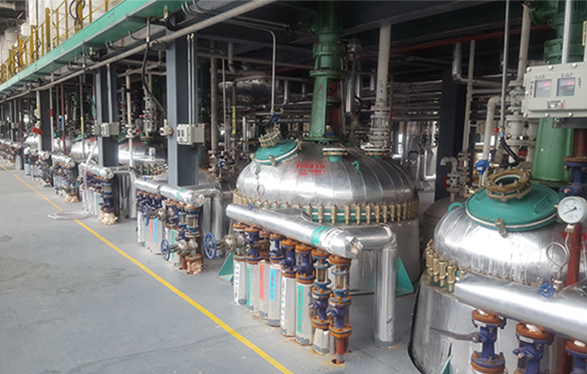
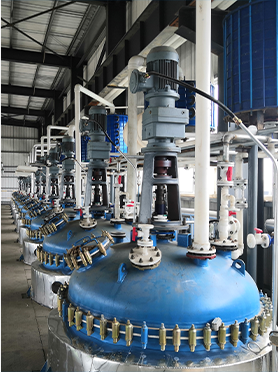
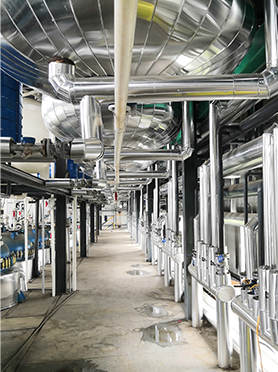
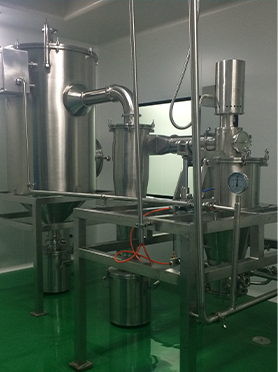
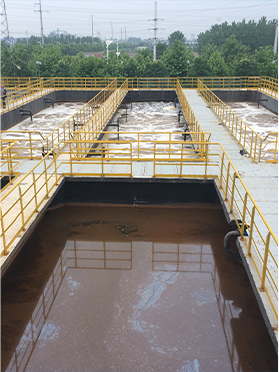
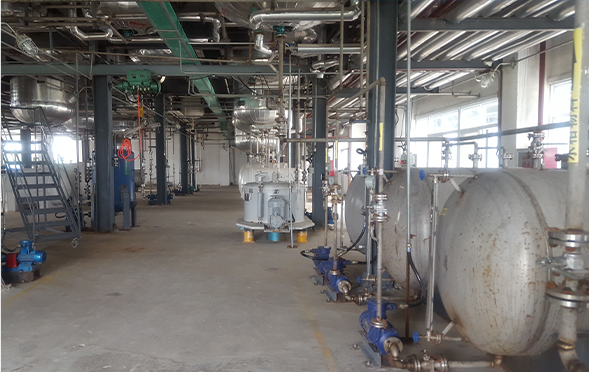
Manufacturing Facilities
Professional Export Experience
to Global Customers
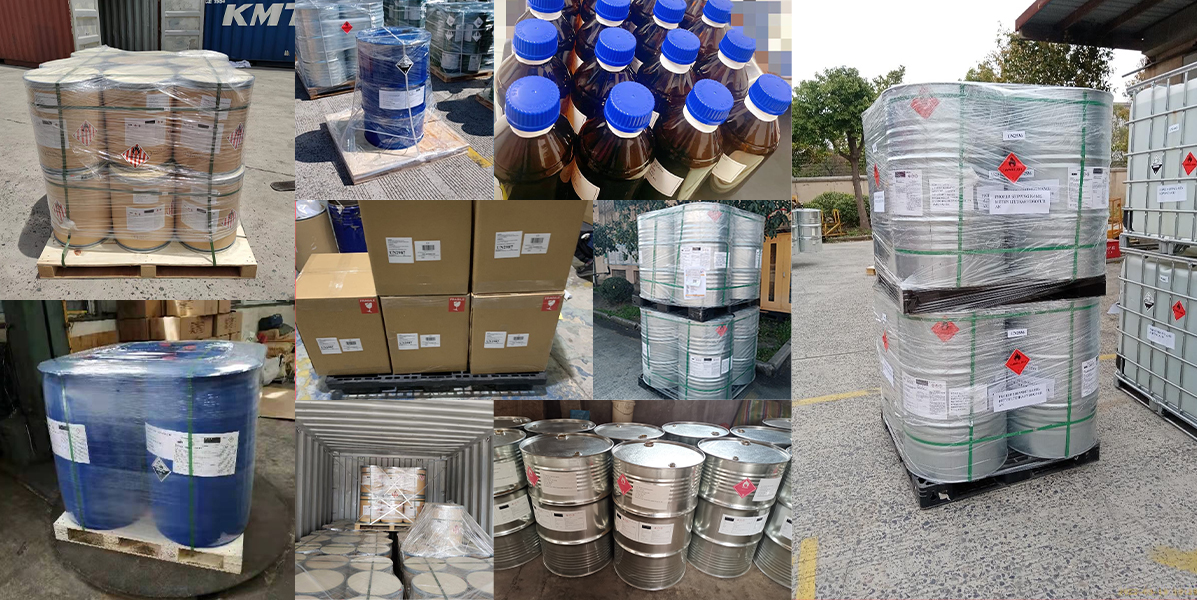
1. 20 years of R&D, manufacturing and sales experience, serving customers in 60 countries and regions around the world;
2. Own R&D laboratory, pilot platform and large-scale production workshop, which can meet the audit requirements of global customers;
3. We can satisfy customers' perfect transition from small scale lab requirements (gram level) to commercialization requirements (hundred tons level).
A: We don't have Minimum Order Quantity, exact quantity should be provided before quotation for us to calculate the exact cost.
A: We don't provide free samples due to lots of request and expensive international courier's cost, we can deduct the sample charge after commercial order placed.
A: Our payment terms: Small or sample order: T/T IN ADVANCE. Commercial order: First order should be by T/T IN ADVANCE or L/C at sight, and following orders T/T 30~90days is acceptable subject to approval of credit application.