
Custom Manufacturing, Project Outsourcing, your Trusted Partner from China
Sodium Tripolyphosphate (STPP), with the chemical formula Na₅P₃O₁₀, is an inorganic compound belonging to the family of polyphosphates. Its unique structure, consisting of sodium cations and the tripolyphosphate anion, dictates its wide range of functional properties. Understanding its chemistry and production is key to appreciating its diverse applications.
The tripolyphosphate anion, [P₃O₁₀]⁵⁻, is a linear chain of three phosphate groups linked by oxygen atoms. This structure allows STPP to act as a powerful chelating agent, readily forming stable complexes with various metal cations, including calcium, magnesium, and heavy metals. This chelating ability is fundamental to its performance as a water softener and scale inhibitor.
The production of STPP typically involves the thermal dehydration and condensation of sodium phosphates. The most common method starts with the reaction of phosphoric acid with sodium carbonate or sodium hydroxide to produce a mixture of disodium phosphate (Na₂HPO₄) and monosodium phosphate (NaH₂PO₄) in a specific molar ratio (2:1). This mixture is then heated to temperatures around 350-450°C, causing dehydration and polymerization to form STPP. The process is carefully controlled to achieve the desired purity and crystal structure, with STPP existing in anhydrous forms (Phase I and Phase II) and a hydrated form.
STPP is typically presented as a white, crystalline powder or granular substance. It is highly soluble in water, forming an alkaline solution with a pH generally between 9.0 and 10.0 for a 1% solution. Its physical properties, such as particle size and density, can vary depending on the manufacturing process, leading to different grades like light density, medium density, and fine granular, each suited for specific applications. For instance, lighter grades might offer better flowability in detergent powders, while finer grades could be preferred for specific industrial formulations.
The chemical stability and functional versatility of STPP, stemming from its molecular structure and production pathways, make it a fundamental compound in numerous industrial and consumer products. Its ability to sequester ions, buffer pH, disperse particles, and stabilize emulsions highlights its importance in modern chemistry and manufacturing.
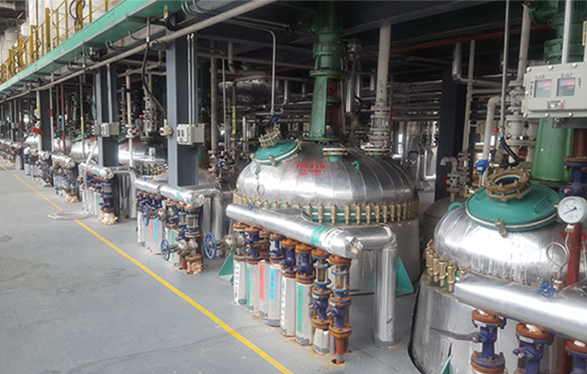
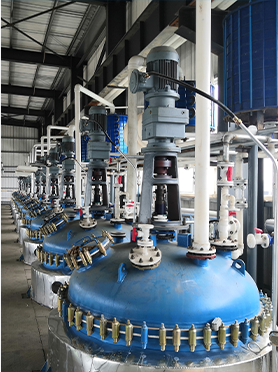
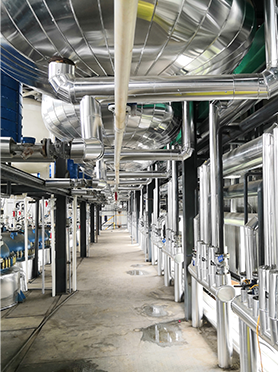
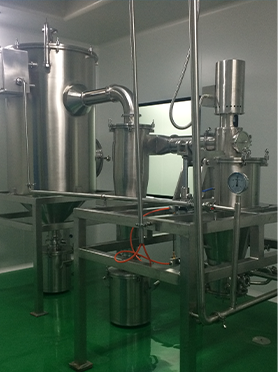
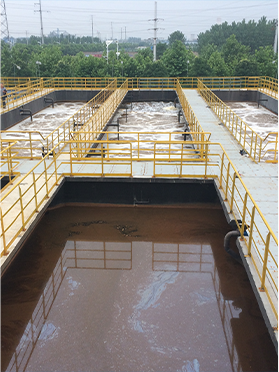
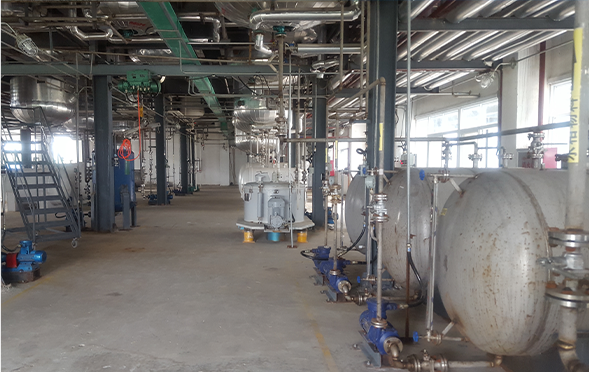
Manufacturing Facilities
Professional Export Experience
to Global Customers
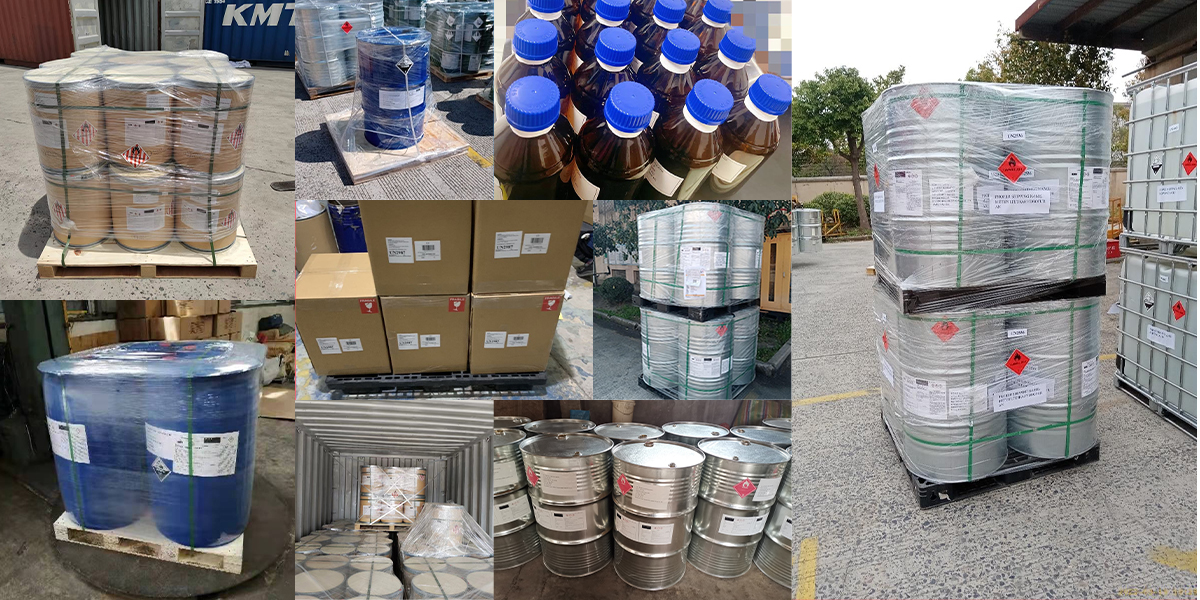
1. 20 years of R&D, manufacturing and sales experience, serving customers in 60 countries and regions around the world;
2. Own R&D laboratory, pilot platform and large-scale production workshop, which can meet the audit requirements of global customers;
3. We can satisfy customers' perfect transition from small scale lab requirements (gram level) to commercialization requirements (hundred tons level).
A: We don't have Minimum Order Quantity, exact quantity should be provided before quotation for us to calculate the exact cost.
A: We don't provide free samples due to lots of request and expensive international courier's cost, we can deduct the sample charge after commercial order placed.
A: Our payment terms: Small or sample order: T/T IN ADVANCE. Commercial order: First order should be by T/T IN ADVANCE or L/C at sight, and following orders T/T 30~90days is acceptable subject to approval of credit application.