
Custom Manufacturing, Project Outsourcing, your Trusted Partner from China
Chlorimuron, identified by its CAS number 99283-00-8, is a potent herbicide that plays a significant role in modern agriculture. For R&D scientists and formulation specialists, understanding its precise mechanism of action and application efficacy is key to developing effective weed management solutions. This article delves into the scientific underpinnings of Chlorimuron and its vital applications in crop protection, highlighting why it's a sought-after ingredient for agrochemical manufacturers.
Mechanism of Action: The ALS Inhibition Pathway:
Chlorimuron belongs to the sulfonylurea class of herbicides, renowned for their high efficacy at low application rates. Its primary mode of action is the inhibition of the enzyme acetolactate synthase (ALS), also known as acetohydroxyacid synthase (AHAS). ALS is a critical enzyme in the biosynthesis pathway of essential branched-chain amino acids—valine, leucine, and isoleucine—which are fundamental for plant growth and development. By binding to and inactivating ALS, Chlorimuron effectively blocks the production of these amino acids. This leads to a rapid cessation of cell division and plant growth, ultimately resulting in the death of susceptible weeds. This targeted inhibition is what makes Chlorimuron a powerful tool for selective weed control.
Key Applications in Agriculture:
Chlorimuron is widely utilized as a selective, post-emergence herbicide, primarily in crops such as soybeans, peanuts, and other legumes. Its effectiveness against a broad spectrum of broad-leaved weeds, including challenging species like cocklebur, pigweed, and sunflower, makes it invaluable for maintaining crop health and yield.
Sourcing High-Quality Chlorimuron:
For R&D teams and manufacturers looking to buy Chlorimuron, it's crucial to source from reliable suppliers that guarantee high purity and consistent quality. When searching for 'Chlorimuron CAS 99283-00-8 manufacturer,' prioritizing suppliers with established production facilities, stringent quality control, and a proven track record in the agrochemical sector is recommended. Understanding the specifications, such as its appearance as a white or light yellow crystalline powder, and minimum purity (often 98%), ensures that the ingredient will perform as expected in your formulations.
Chlorimuron's efficacy, coupled with its specific mode of action, makes it an indispensable component in the agrochemical arsenal for effective weed management. Its continued use underscores its importance in ensuring global food security.
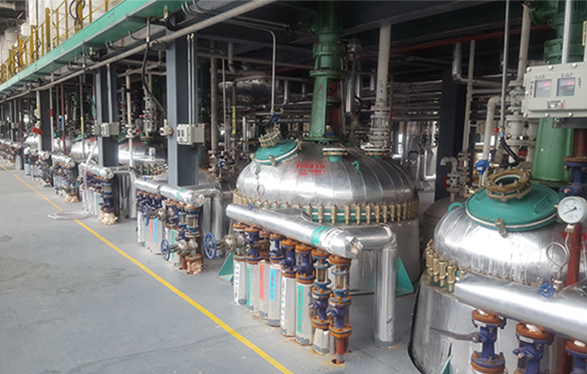
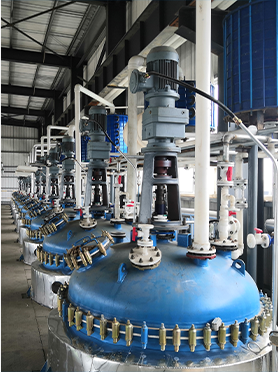
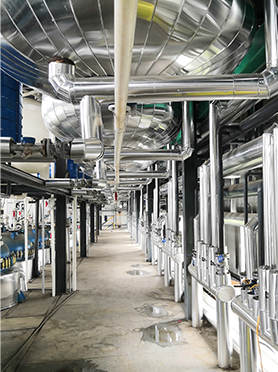
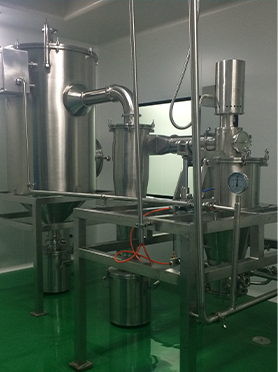
Manufacturing Facilities
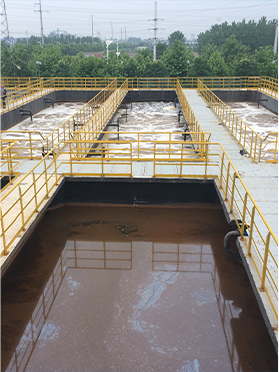
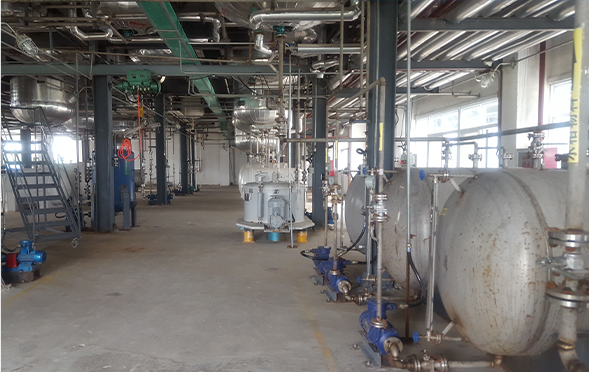
Professional Export Experience
to Global Customers
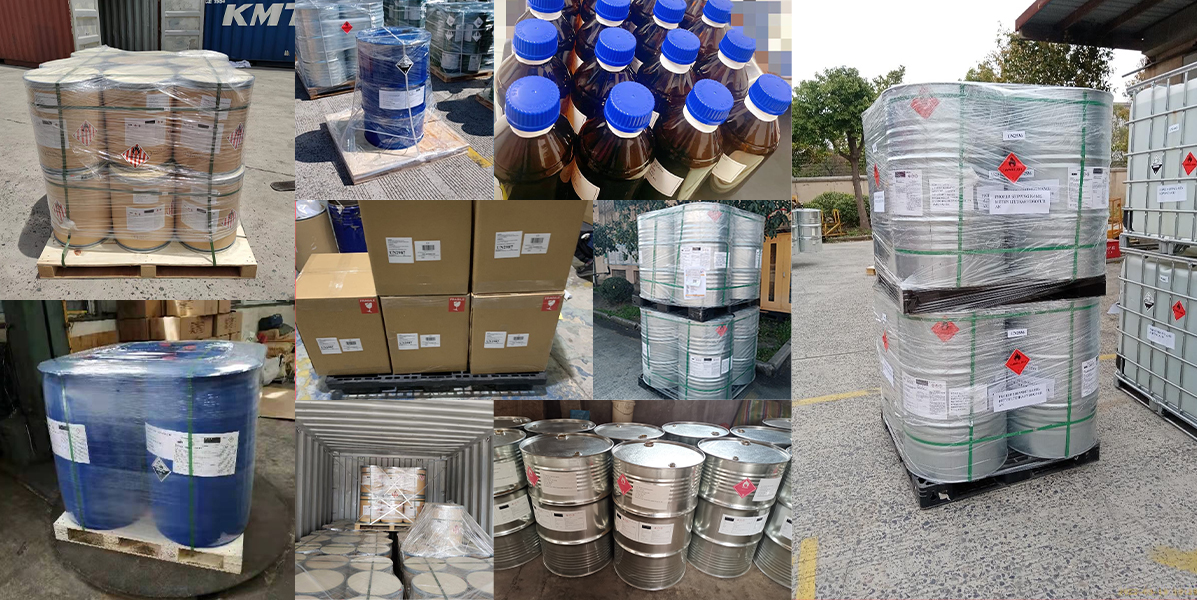
1. 20 years of R&D, manufacturing and sales experience, serving customers in 60 countries and regions around the world;
2. Own R&D laboratory, pilot platform and large-scale production workshop, which can meet the audit requirements of global customers;
3. We can satisfy customers' perfect transition from small scale lab requirements (gram level) to commercialization requirements (hundred tons level).
A: We don't have Minimum Order Quantity, exact quantity should be provided before quotation for us to calculate the exact cost.
A: We don't provide free samples due to lots of request and expensive international courier's cost, we can deduct the sample charge after commercial order placed.
A: Our payment terms: Small or sample order: T/T IN ADVANCE. Commercial order: First order should be by T/T IN ADVANCE or L/C at sight, and following orders T/T 30~90days is acceptable subject to approval of credit application.