Custom Manufacturing, Project Outsourcing, your Trusted Partner from China
In the competitive textile industry, achieving the perfect feel and finish for fabrics is paramount. This often involves the use of fabric softeners. While traditional softeners have long been a staple, modern textile manufacturing increasingly favors non-ionic softeners. But what truly sets them apart, and why are they becoming the preferred choice for many manufacturers and brands? As a trusted supplier of textile auxiliaries, we delve into the distinctions to help you make an informed decision.
Understanding Fabric Softener Basics
Fabric softeners work by depositing lubricating molecules onto the fabric fibers, reducing friction between them. This results in a softer feel, improved drape, and reduced static cling. The key difference between types of softeners lies in their chemical composition and ionic charge.
Traditional Fabric Softeners: The Cationic Approach
Most traditional fabric softeners rely on cationic surfactants. These molecules have a positive charge, which attracts them to the negatively charged fibers of fabrics like cotton. This interaction effectively neutralizes static electricity and imparts a smooth, soft handle. However, cationic softeners can sometimes reduce the absorbency of fabrics, which might be a drawback for items like towels. They can also sometimes lead to yellowing on white fabrics, especially after high-temperature processing.
The Rise of Non-Ionic Softeners
Non-ionic softeners, on the other hand, are electrically neutral. Instead of relying on ionic attraction, they use non-ionic surfactants that lubricate the fibers directly. This neutral charge offers several significant advantages for textile manufacturers:
Choosing the Right Softener for Your Needs
When deciding between non-ionic and traditional softeners, consider your specific application. If you are primarily concerned with maximum softness and fragrance on everyday wear, traditional softeners might suffice. However, for applications requiring color fastness, compatibility with other finishes, or improved hydrophilicity, a high-quality non-ionic softener is often the superior choice. We offer a range of non-ionic softeners that provide excellent performance and value for discerning textile manufacturers.
As a dedicated supplier in China, we are committed to providing innovative textile chemical solutions. If you're looking to buy non-ionic fabric softener or seeking expert advice on textile finishing, our team can assist you. Contact us today to inquire about our products and pricing.
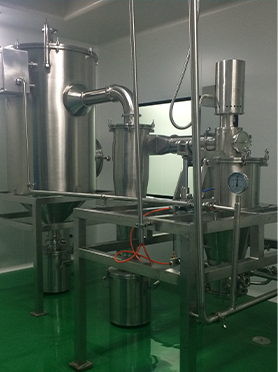
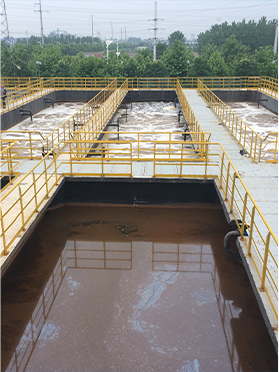
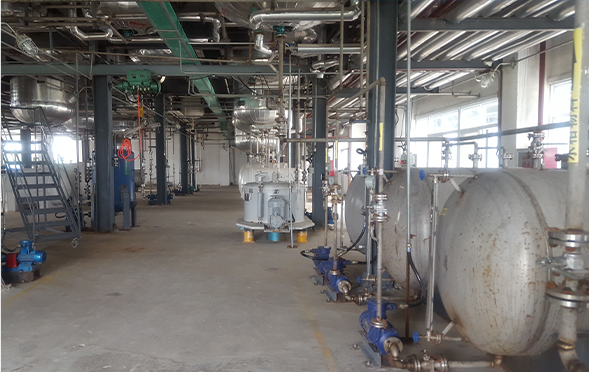
Manufacturing Facilities
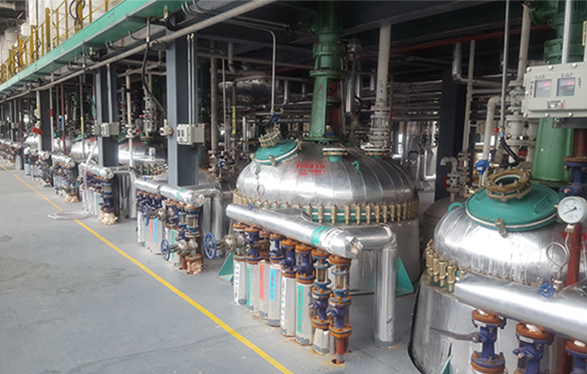
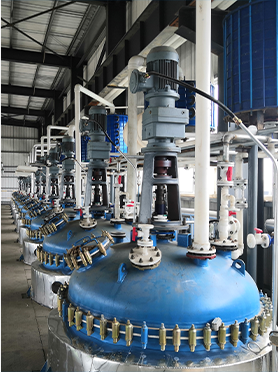
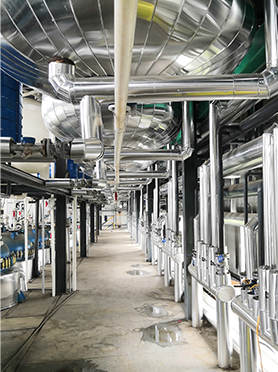
Professional Export Experience
to Global Customers
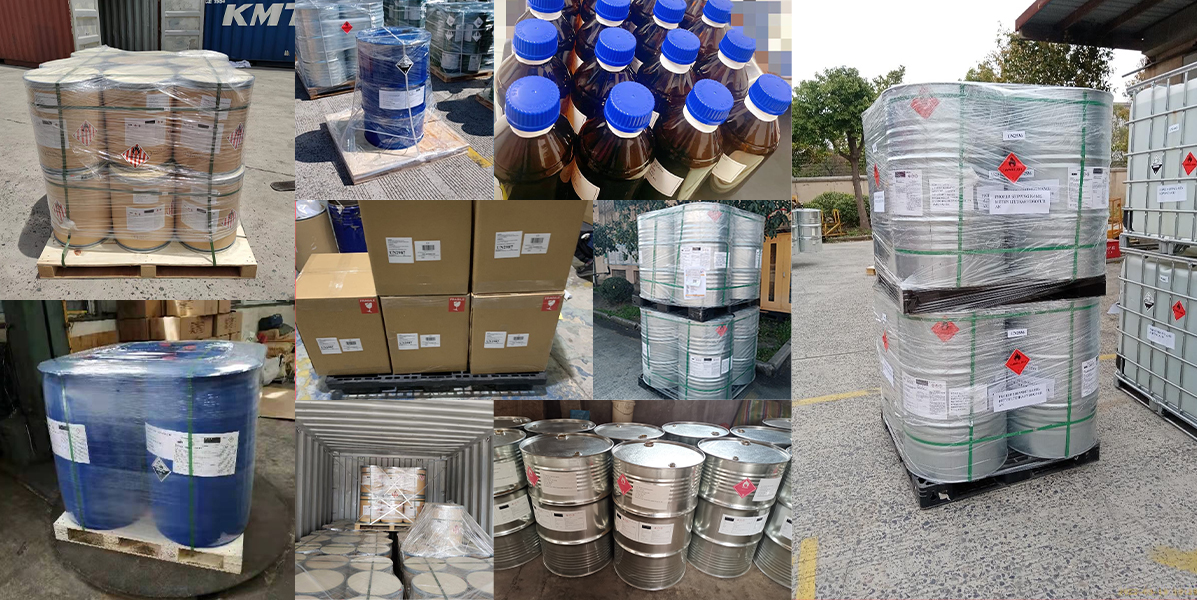
1. 20 years of R&D, manufacturing and sales experience, serving customers in 60 countries and regions around the world;
2. Own R&D laboratory, pilot platform and large-scale production workshop, which can meet the audit requirements of global customers;
3. We can satisfy customers' perfect transition from small scale lab requirements (gram level) to commercialization requirements (hundred tons level).
A: We don't have Minimum Order Quantity, exact quantity should be provided before quotation for us to calculate the exact cost.
A: We don't provide free samples due to lots of request and expensive international courier's cost, we can deduct the sample charge after commercial order placed.
A: Our payment terms: Small or sample order: T/T IN ADVANCE. Commercial order: First order should be by T/T IN ADVANCE or L/C at sight, and following orders T/T 30~90days is acceptable subject to approval of credit application.