
Custom Manufacturing, Project Outsourcing, your Trusted Partner from China
For textile manufacturers and formulators, selecting the right fabric softener is crucial for achieving desired hand-feel, visual appeal, and functional properties in their final products. Among the various options available, nonionic softener flakes have emerged as a popular choice due to their versatile performance characteristics. This guide aims to equip procurement managers and R&D scientists with the knowledge to select the most suitable nonionic softener flakes for their specific applications, emphasizing the importance of sourcing from reputable suppliers.
Understanding the Core Properties of Nonionic Softener Flakes
Nonionic softener flakes are a type of textile auxiliary derived from fatty alcohol derivatives. Their primary function is to impart a soft, smooth, and often voluminous feel to fabrics. Unlike their cationic counterparts, nonionic softeners possess no electrical charge, which leads to several advantages:
When evaluating nonionic softener flakes from a manufacturer, consider key technical specifications such as solid content, pH value, appearance, and solubility. These parameters will dictate how effectively the product can be integrated into your finishing processes.
Key Considerations for Procurement and Sourcing
As a procurement manager, securing a reliable supply of high-quality nonionic softener flakes is essential for consistent production. When looking to buy nonionic softener flakes, several factors should be prioritized:
Why Partner with a Dedicated Manufacturer?
Working directly with a dedicated manufacturer for your nonionic softener flakes offers significant advantages. It ensures better control over product quality, allows for customization if needed, and often results in more competitive pricing. For businesses seeking to purchase textile softener flakes, engaging with a reputable supplier like NINGBO INNO PHARMCHEM CO.,LTD. can streamline your sourcing process and guarantee access to premium materials. Their expertise in providing solutions for fabric finishing, coupled with their commitment to quality, makes them an ideal partner for any textile operation.
In conclusion, selecting the right nonionic softener flakes involves understanding their technical properties and sourcing them from a reliable manufacturer. By focusing on compatibility, non-yellowing performance, and supplier integrity, businesses can effectively enhance their textile products and maintain a competitive edge in the market. Explore the options available from leading suppliers to find the best fit for your manufacturing needs.
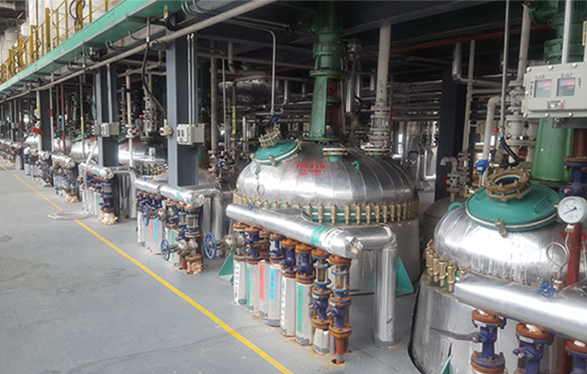
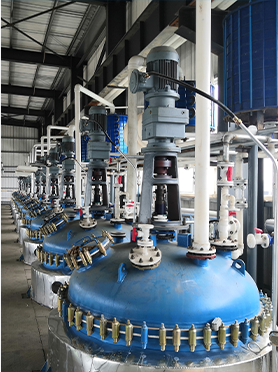
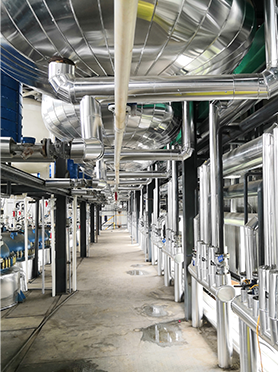
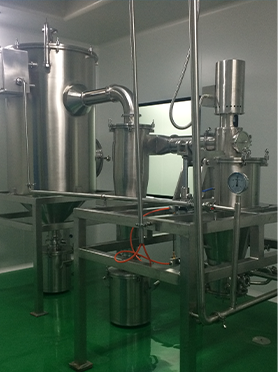
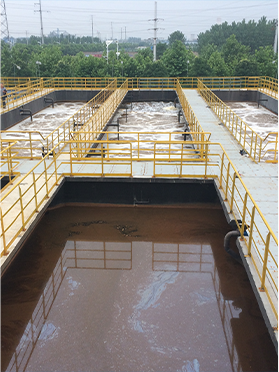
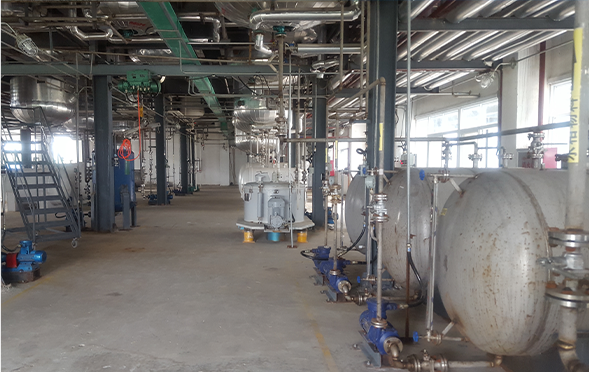
Manufacturing Facilities
Professional Export Experience
to Global Customers
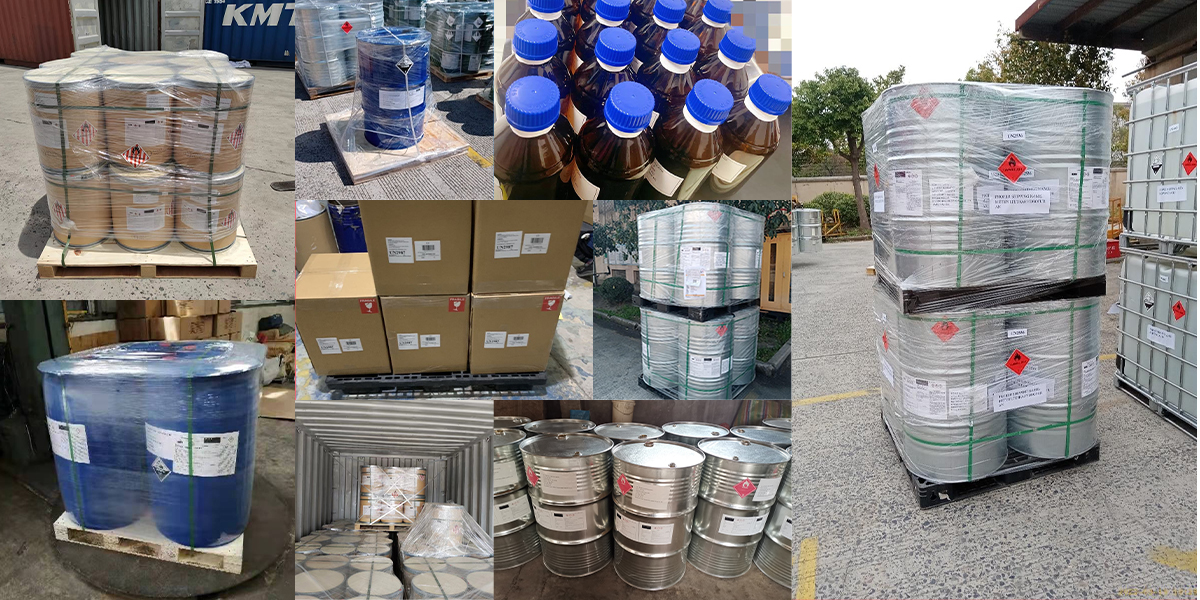
1. 20 years of R&D, manufacturing and sales experience, serving customers in 60 countries and regions around the world;
2. Own R&D laboratory, pilot platform and large-scale production workshop, which can meet the audit requirements of global customers;
3. We can satisfy customers' perfect transition from small scale lab requirements (gram level) to commercialization requirements (hundred tons level).
A: We don't have Minimum Order Quantity, exact quantity should be provided before quotation for us to calculate the exact cost.
A: We don't provide free samples due to lots of request and expensive international courier's cost, we can deduct the sample charge after commercial order placed.
A: Our payment terms: Small or sample order: T/T IN ADVANCE. Commercial order: First order should be by T/T IN ADVANCE or L/C at sight, and following orders T/T 30~90days is acceptable subject to approval of credit application.