
Custom Manufacturing, Project Outsourcing, your Trusted Partner from China
Polyacrylamide (PAM) is a cornerstone in water treatment and various industrial processes, available in different physical forms, primarily anhydrous powder and liquid emulsion. Understanding the distinct advantages and application nuances of each form is crucial for selecting the most effective flocculant. As a prominent manufacturer and supplier, we offer insights into choosing between anhydrous and emulsion PAM to optimize your operations.
Anhydrous Polyacrylamide, commonly in powder or granular form, is a popular choice due to its excellent storage stability and relatively lower cost for bulk transport. Its preparation involves dissolving the powder in water to form a solution of a specific concentration, typically between 0.1% to 0.5%. This dissolution process requires careful attention to avoid clumping and ensure complete hydration, often necessitating specialized mixing equipment and sufficient dissolution time. When you buy anhydrous PAM, consider the logistics of powder handling and dissolution as part of your operational planning.
Liquid Emulsion Polyacrylamide, on the other hand, offers significant advantages in terms of ease of use and faster preparation. These products are water-based dispersions that are typically ready to use or require minimal dilution. The emulsification process encapsulates the polymer, allowing for rapid and homogeneous dispersion in water without the clumping issues often associated with powders. Emulsion PAM also tends to have a lower dusting potential, contributing to a safer working environment. For applications where quick setup and minimal handling effort are priorities, emulsion PAM is often the preferred choice.
The choice between anhydrous and emulsion forms also depends on specific application requirements. For instance, sludge dewatering and industrial wastewater treatment often benefit from the rapid flocculation achieved with properly prepared CPAM, regardless of its initial form. However, if your facility has limited dissolution capabilities or prioritizes operational simplicity, emulsion PAM might be more suitable. Cost-effectiveness can also be a deciding factor, with anhydrous powders generally offering a lower per-kilogram price, though this must be weighed against the operational costs and efficiencies of each form.
As a leading supplier from China, we provide a comprehensive range of both anhydrous and emulsion Polyacrylamide products. Our technical team can assist you in evaluating your specific needs—considering factors like existing infrastructure, desired processing speed, safety protocols, and budget—to recommend the most appropriate PAM form. Whether you choose anhydrous or emulsion PAM, partnering with a reliable manufacturer ensures you receive a high-quality product that meets your performance expectations. Explore our product catalog and consult with us to make an informed decision for your water treatment and industrial process needs.
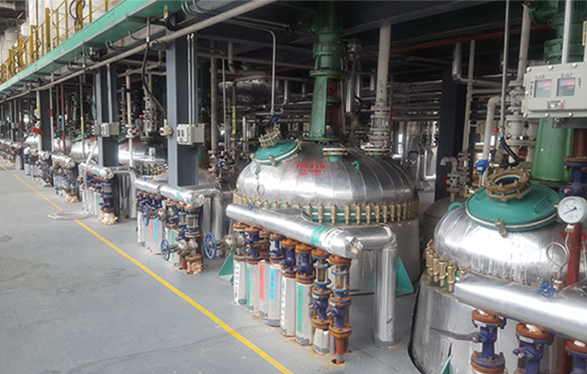
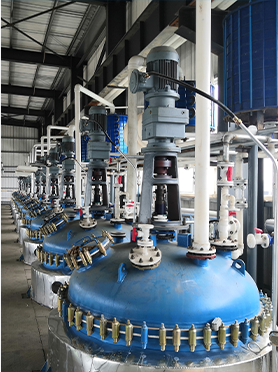
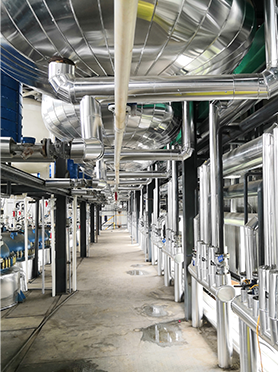
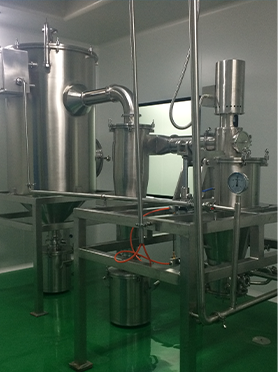
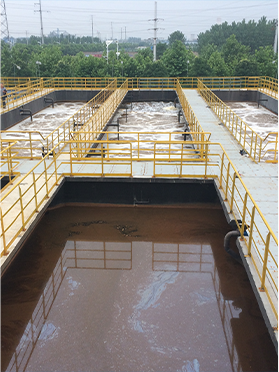
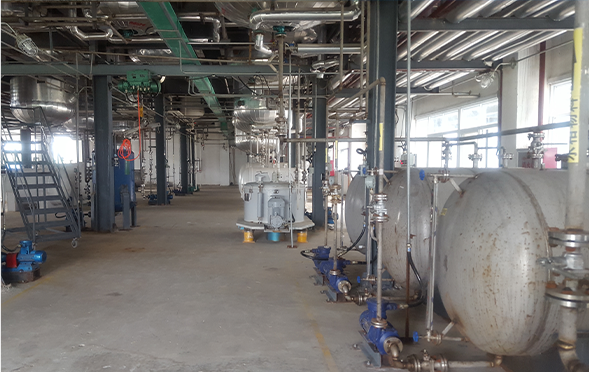
Manufacturing Facilities
Professional Export Experience
to Global Customers
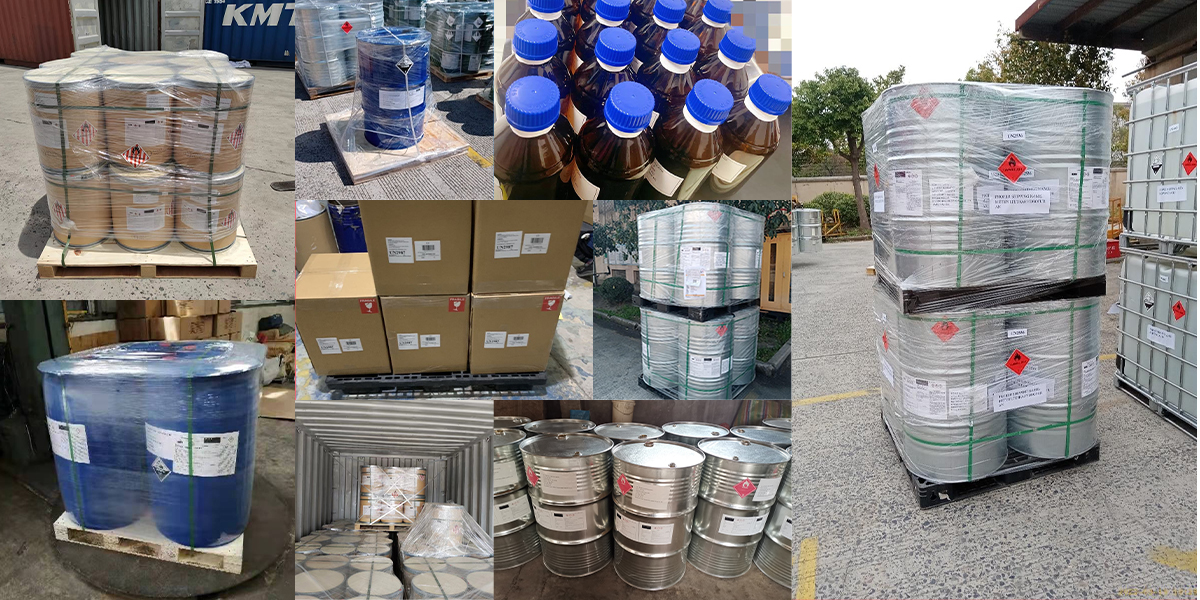
1. 20 years of R&D, manufacturing and sales experience, serving customers in 60 countries and regions around the world;
2. Own R&D laboratory, pilot platform and large-scale production workshop, which can meet the audit requirements of global customers;
3. We can satisfy customers' perfect transition from small scale lab requirements (gram level) to commercialization requirements (hundred tons level).
A: We don't have Minimum Order Quantity, exact quantity should be provided before quotation for us to calculate the exact cost.
A: We don't provide free samples due to lots of request and expensive international courier's cost, we can deduct the sample charge after commercial order placed.
A: Our payment terms: Small or sample order: T/T IN ADVANCE. Commercial order: First order should be by T/T IN ADVANCE or L/C at sight, and following orders T/T 30~90days is acceptable subject to approval of credit application.