
Custom Manufacturing, Project Outsourcing, your Trusted Partner from China
Polyacrylamide (PAM) is a highly versatile synthetic polymer with a wide range of industrial applications, from water treatment and papermaking to oil recovery and mining. However, not all PAM is created equal. The performance of PAM is significantly influenced by its ionic charge, leading to three main categories: anionic, cationic, and nonionic. Understanding these differences is key for businesses looking to buy Polyacrylamide powder and achieve optimal results. As a leading supplier of Polyacrylamide in China, we help our clients navigate these choices.
Anionic Polyacrylamide (APAM): APAM carries a negative charge, typically due to the presence of carboxylate or sulfonate groups in its polymer chain. This makes it highly effective in applications where positively charged particles need to be flocculated or aggregated. Common uses include industrial wastewater treatment, mineral processing, and coal washing, where it helps in settling suspended solids and clarifying water. Its performance is generally less affected by pH and salt concentrations compared to other types.
Cationic Polyacrylamide (CPAM): CPAM possesses a positive charge, making it ideal for applications involving negatively charged substances. It is particularly renowned for its effectiveness in sludge dewatering, where it neutralizes and bridges negatively charged sludge particles, facilitating water release. CPAM is also used in papermaking as a retention and drainage aid, and in municipal sewage treatment. When seeking to optimize sludge dewatering, sourcing high-quality CPAM from a reliable manufacturer is crucial.
Nonionic Polyacrylamide (NPAM): NPAM contains no significant ionic charge. Its primary functions often revolve around thickening, dispersion, and providing binding properties. While it may not offer the strong flocculation capabilities of its ionic counterparts in all situations, it can be beneficial in specific applications like textile sizing or where interactions with ionic species need to be avoided. Its effectiveness is also influenced by factors like pH and the presence of salts.
Selecting the correct type of PAM is paramount for achieving the desired outcomes. For instance, if you are involved in industrial wastewater treatment, understanding whether your wastewater is more suited for anionic or cationic flocculation is key. Similarly, in oilfield applications, specific PAM formulations are designed for enhanced oil recovery (EOR) or as drilling mud additives. As a dedicated Polyacrylamide manufacturer, we provide comprehensive technical data and support to help you choose the best product. Contact us to discuss your needs and get a quote for the Polyacrylamide price that fits your budget.
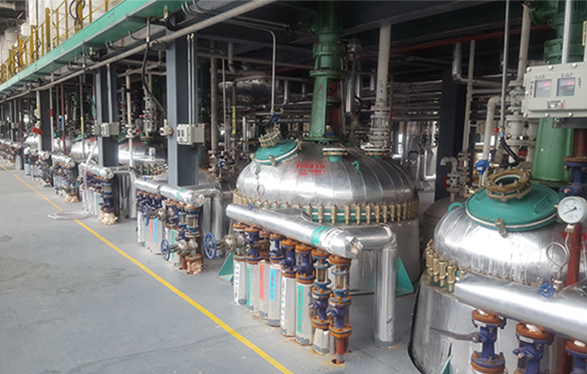
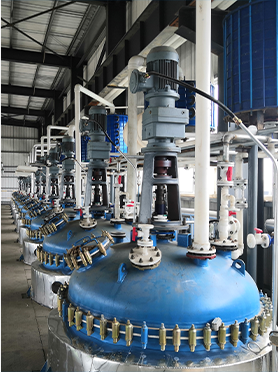
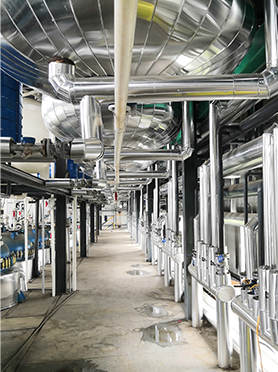
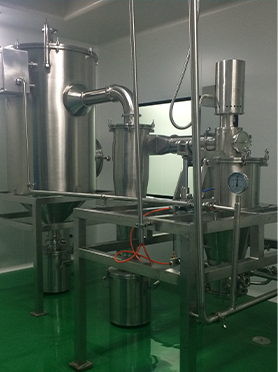
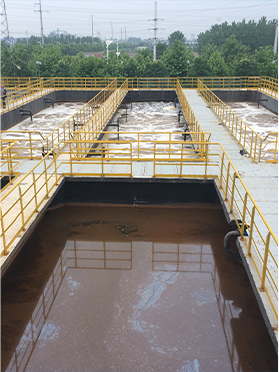
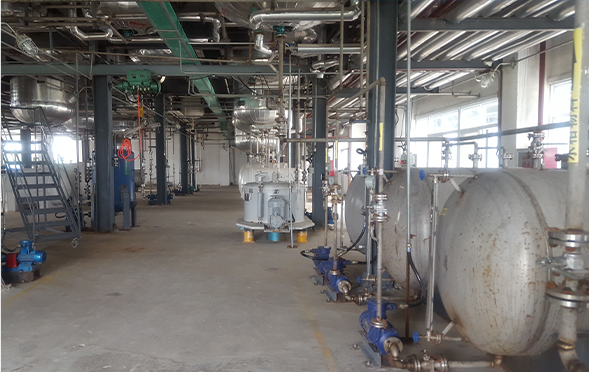
Manufacturing Facilities
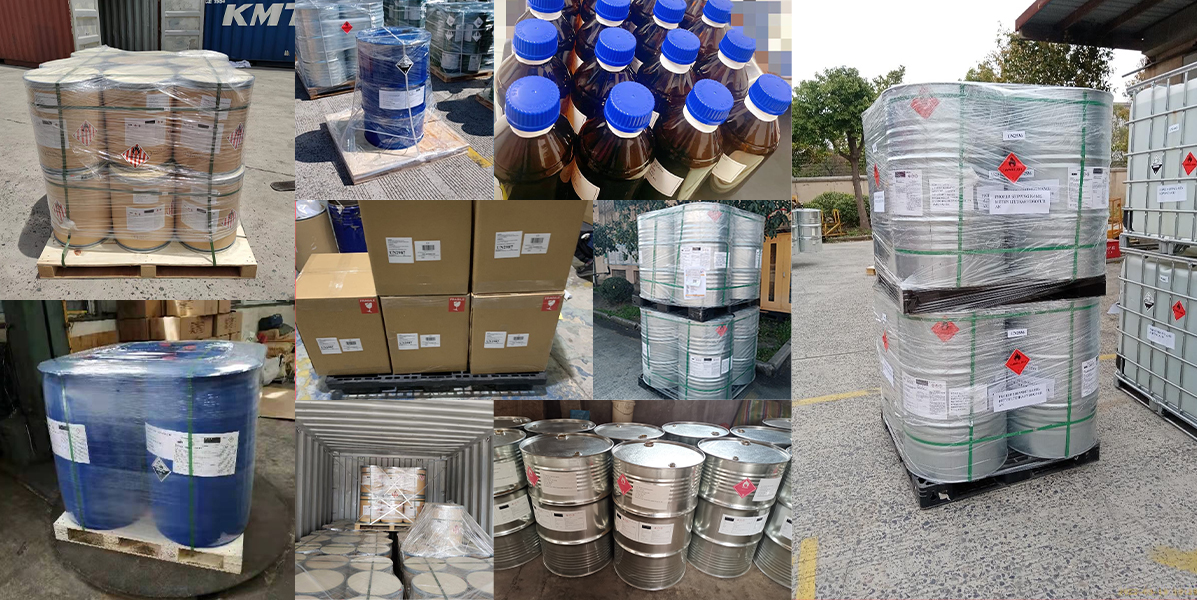
Professional Export Experience
to Global Customers
1. 20 years of R&D, manufacturing and sales experience, serving customers in 60 countries and regions around the world;
2. Own R&D laboratory, pilot platform and large-scale production workshop, which can meet the audit requirements of global customers;
3. We can satisfy customers' perfect transition from small scale lab requirements (gram level) to commercialization requirements (hundred tons level).
A: We don't have Minimum Order Quantity, exact quantity should be provided before quotation for us to calculate the exact cost.
A: We don't provide free samples due to lots of request and expensive international courier's cost, we can deduct the sample charge after commercial order placed.
A: Our payment terms: Small or sample order: T/T IN ADVANCE. Commercial order: First order should be by T/T IN ADVANCE or L/C at sight, and following orders T/T 30~90days is acceptable subject to approval of credit application.