
Custom Manufacturing, Project Outsourcing, your Trusted Partner from China
Polyacrylamide (PAM) is a versatile water-soluble polymer widely utilized across various industries for its exceptional flocculation, thickening, and binding properties. However, PAM is not a one-size-fits-all solution. It exists in three primary forms: Anionic Polyacrylamide (APAM), Cationic Polyacrylamide (CPAM), and Nonionic Polyacrylamide (NPAM), each with distinct characteristics and optimal applications. As a leading manufacturer and supplier of these critical chemicals from China, we aim to clarify these differences to help you make informed purchasing decisions.
1. Anionic Polyacrylamide (APAM)
APAM polymers carry a negative charge due to the presence of carboxyl or sulfonate groups in their molecular structure. This makes them ideal for applications where the suspended solids or particles possess a positive charge.
2. Cationic Polyacrylamide (CPAM)
CPAM polymers have a positive charge, typically introduced through the incorporation of quaternary ammonium monomers. This positive charge makes them highly effective in treating negatively charged particles and in applications requiring strong adhesion to surfaces.
3. Nonionic Polyacrylamide (NPAM)
NPAM polymers have no significant electrical charge. Their effectiveness relies primarily on their molecular weight and chain entanglement for flocculation.
Selecting the Right PAM: A Supplier's Perspective
As a leading Polyacrylamide manufacturer and supplier in China, we offer a comprehensive range of APAM, CPAM, and NPAM products. The selection often depends on the specific characteristics of the water or sludge being treated, including pH, ionic strength, and the nature of the suspended solids. We strongly recommend conducting jar tests to determine the most effective type and dosage of PAM for your unique application. Our technical team is readily available to assist you in this process and provide expert advice. To buy Polyacrylamide that meets your exacting requirements, contact us for high-quality products, competitive pricing, and reliable supply.
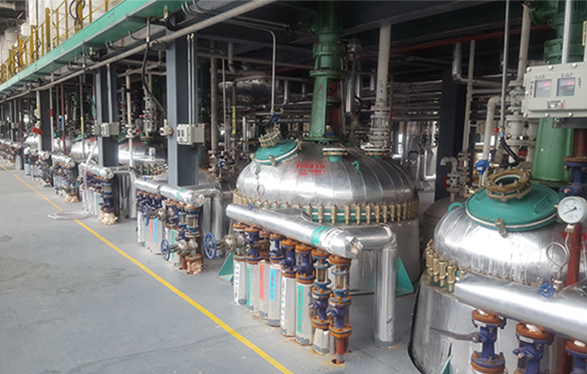
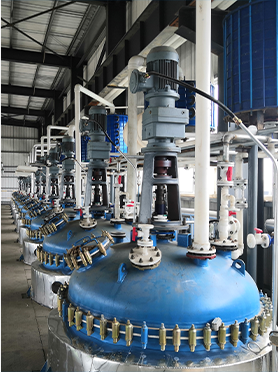
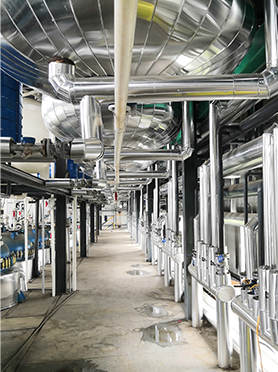
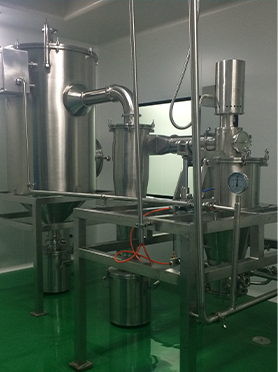
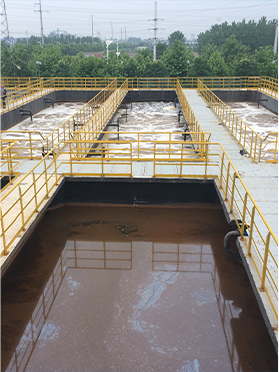
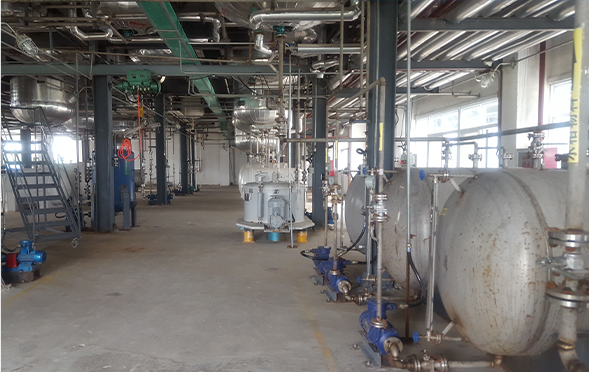
Manufacturing Facilities
Professional Export Experience
to Global Customers
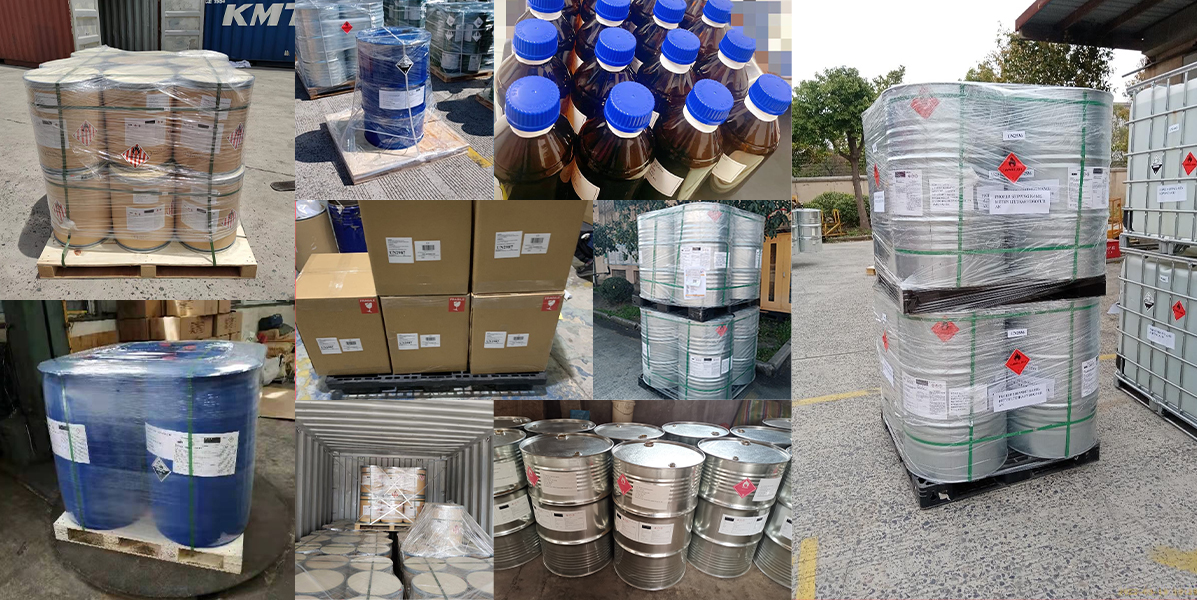
1. 20 years of R&D, manufacturing and sales experience, serving customers in 60 countries and regions around the world;
2. Own R&D laboratory, pilot platform and large-scale production workshop, which can meet the audit requirements of global customers;
3. We can satisfy customers' perfect transition from small scale lab requirements (gram level) to commercialization requirements (hundred tons level).
A: We don't have Minimum Order Quantity, exact quantity should be provided before quotation for us to calculate the exact cost.
A: We don't provide free samples due to lots of request and expensive international courier's cost, we can deduct the sample charge after commercial order placed.
A: Our payment terms: Small or sample order: T/T IN ADVANCE. Commercial order: First order should be by T/T IN ADVANCE or L/C at sight, and following orders T/T 30~90days is acceptable subject to approval of credit application.